


Bamboo Furniture Cabinet
These bamboo furniture cabinet pieces offer practical storage with distinctive exotic charm, bringing texture and character to any room.
Bamboo Furniture Cabinet
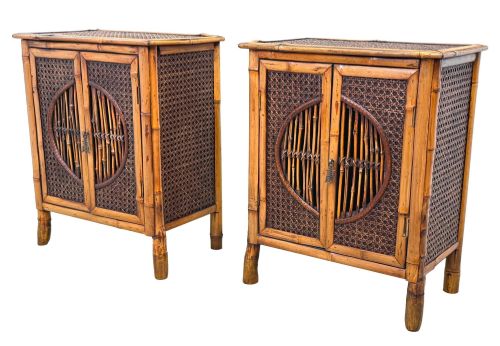
When you search for bamboo furniture cabinet, you encounter a diverse selection of storage pieces ranging from compact miniature table top cupboards to full-size display cabinets, armoires, and drinks cabinets. The listings span the nineteenth century through to the nineteen-thirties, reflecting both genuine cane construction and simulated alternatives.
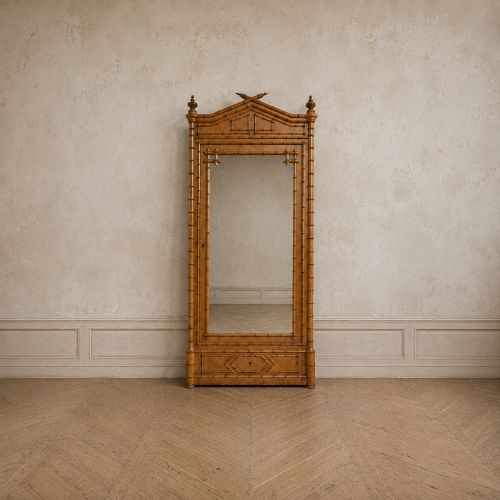
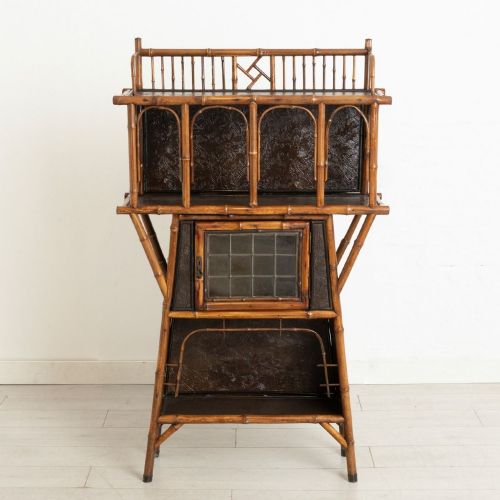
The aesthetic movement and Victorian periods dominate the selection, bringing distinctive visual interest through contrasting panels and lacquered surfaces. Buyers frequently meet pieces that combine structural frames with glass panels, cane inserts, or elaborate pagoda tops.
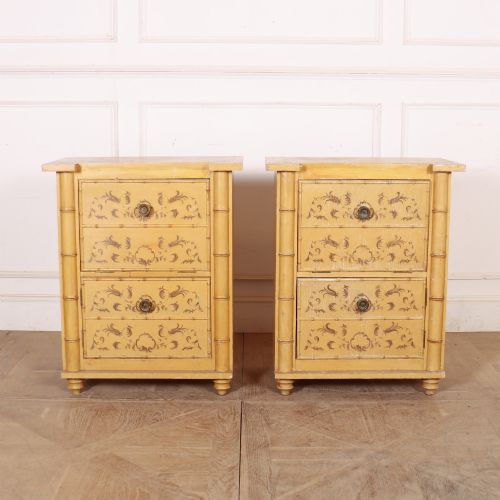
Origin varies from British aesthetic designs to French interpretations and Chinese export work. Forms include bedside tables, washstands, and multi-tiered cabinets designed for display as much as for storage.
How they were made
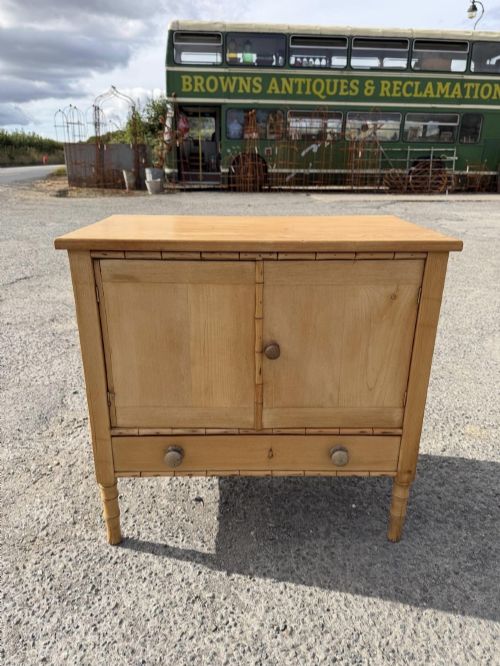
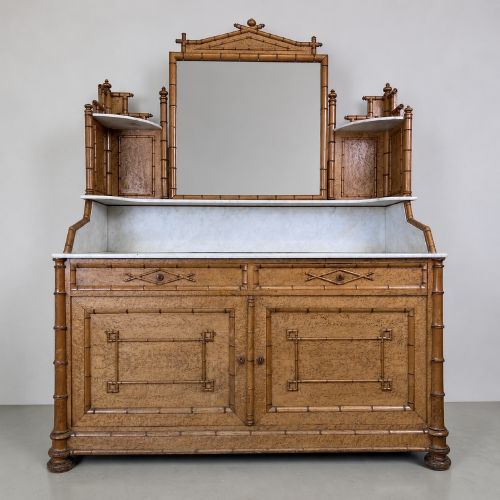
Construction relies upon natural bamboo poles joined with internal dowels and pins, often paired with secondary woods like pine or exotic hardwoods for structural stability. Many examples utilise faux bamboo techniques, carving solid timber such as bird's-eye maple or pine to replicate segmented bamboo stems.
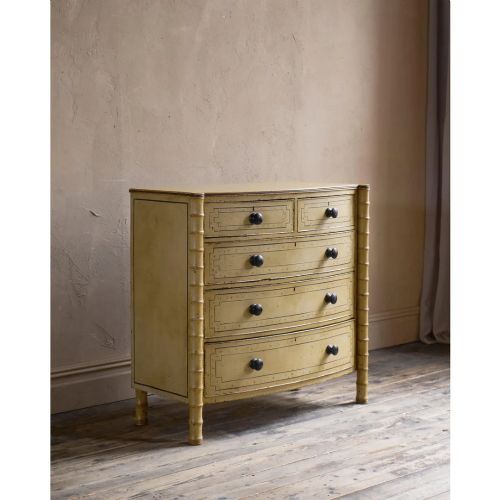
Surface decoration frequently incorporates Japanese-inspired lacquer panels, brass hardware, and glass doors to create layered textural contrast. Faux bamboo pieces often feature painted graining or polished maple veneers to mimic natural cane variations.
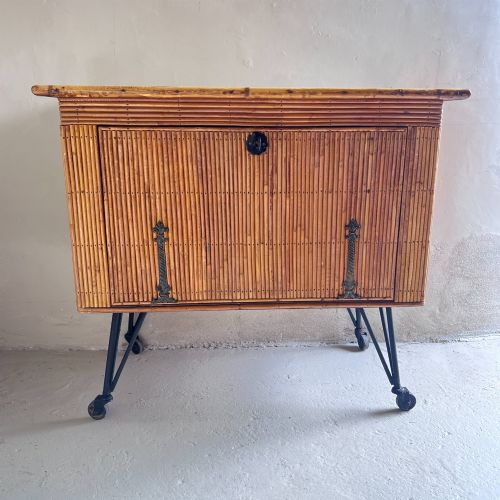
Support elements range from integrated bamboo legs to cast-iron fittings on later twentieth-century iterations, while interiors may incorporate silk linings, mirrored backs, or adjustable wooden shelving.
Listings span the nineteenth century to the nineteen-thirties, encompassing materials from natural bamboo and cane to pine, brass, and lacquer.
What varies in quality
The distinction between standard commercial output and superior craftsmanship lies in the rigidity of the frame joints and the complexity of the surface ornamentation. Finer pieces demonstrate tight binding at intersections and precise alignment of lacquered panels.
Material selection divides simple utilitarian cupboards from exhibition-grade display furniture featuring detailed Chinoiserie motifs or scarce tiger bamboo poles. The integration of high-grade brass mounts and undamaged glass panels elevates the standing of an individual piece.
Leonard Wyburd for Liberty and Co
The Bamboo Furniture Cabinet Glossary
- Aesthetic Movement
- A nineteenth-century design philosophy that prioritised visual beauty over moral or narrative purpose, heavily influencing bamboo furniture production. It drew inspiration from Japanese art and decorative techniques.
- Faux bamboo
- Solid timber such as pine or maple carved and painted to imitate the jointed appearance of natural bamboo. This technique allowed cabinetmakers to achieve an exotic look while maintaining robust structural support.
- Chinoiserie
- European interpretations of Chinese artistic motifs applied to furniture surfaces, often featuring landscapes, figures, and pavilions in gold lacquer. This style frequently appears on nineteenth-century cabinets and escritoires.
- Bijouterie table
- A glass-topped display table or shallow cabinet designed for showing small valuable objects and curiosities. These pieces often utilise bamboo or lacquered frames to complement the items displayed inside.
- Hongmu
- A traditional Chinese term for dense, heavy hardwoods utilised in export furniture. These dark timbers provide a strong contrast to lighter bamboo and cane elements.
Bamboo Furniture Cabinet: Frequently Asked Questions
How do I clean bamboo furniture?
Dust surfaces regularly with a soft, dry cloth to prevent dirt accumulation within the natural crevices of the cane. Avoid excess moisture and harsh chemical polishes that can degrade the original lacquer or varnish.
Condition the material occasionally with a specialised furniture wax recommended for vintage wooden and cane surfaces. Keeping pieces away from direct heat sources prevents the bamboo from drying out and splitting over time.
Are faux bamboo pieces genuine antiques?
Many faux bamboo items date from the nineteenth century, utilising skilled carpentry to carve solid woods like pine or maple into realistic stem shapes. These pieces share the same period provenance as natural bamboo furniture.
Examining the underlying timber, joinery techniques, and patina helps confirm the age of simulated bamboo cabinets. Both natural and faux versions reflect the nineteenth-century fascination with exotic design.
Where should I place a display cabinet?
Position these cabinets away from direct sunlight and fluctuating temperatures to protect delicate lacquer work and natural cane. Stable indoor environments preserve the structural integrity of the joints and prevent warping.
Select a location where the distinctive silhouette and decorative panels can be appreciated without obstruction. Smaller table top cupboards suit sideboards or desks, while larger armoires require adequate wall space.
How do I date a bamboo cabinet?
Examine the construction methods, hardware types, and secondary woods used in the interior framing to determine the period. Nineteenth-century examples often feature hand-cut joinery and traditional brass fittings.
Stylistic cues such as aesthetic movement motifs or Chinoiserie lacquer panels help narrow down the decade of production. Documentation or attribution marks can also provide specific historical context.