


Warm Brown Corner Display
A warm brown corner display brings architectural line and timber depth to forgotten rooms.
Warm Brown Corner Display
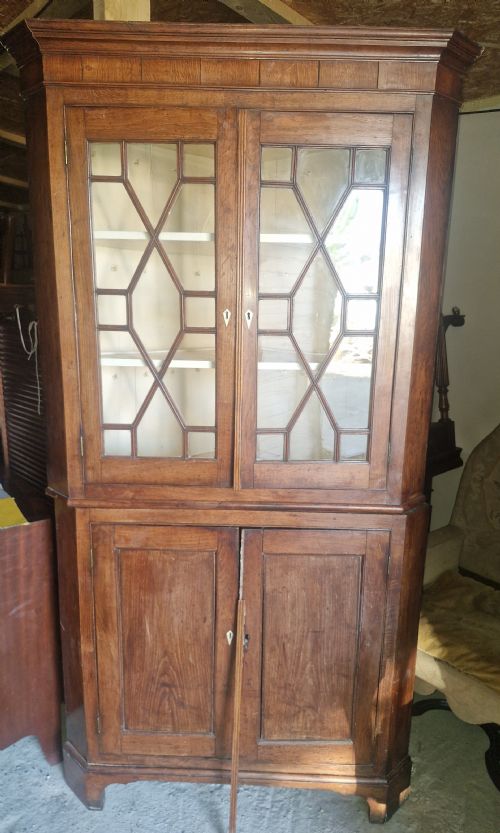
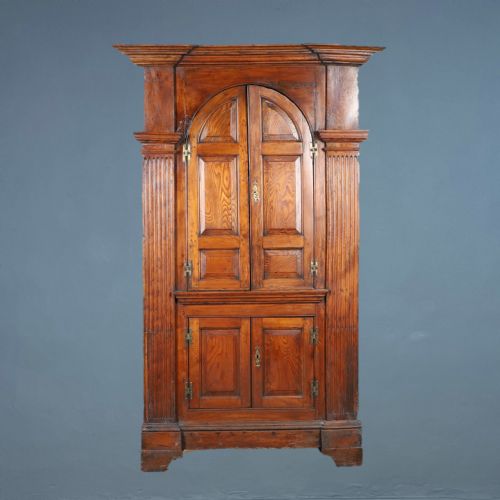
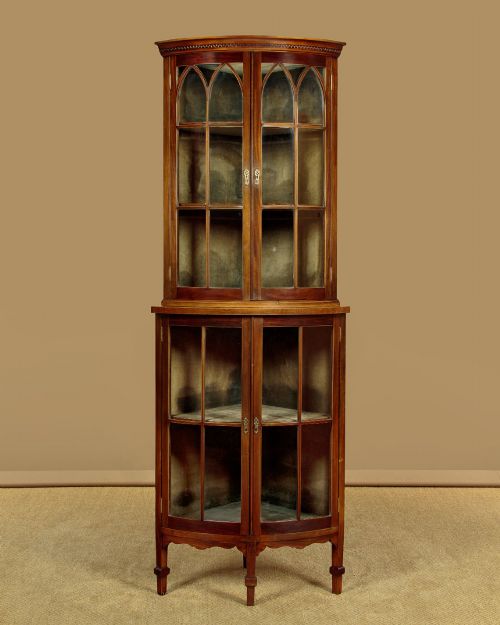
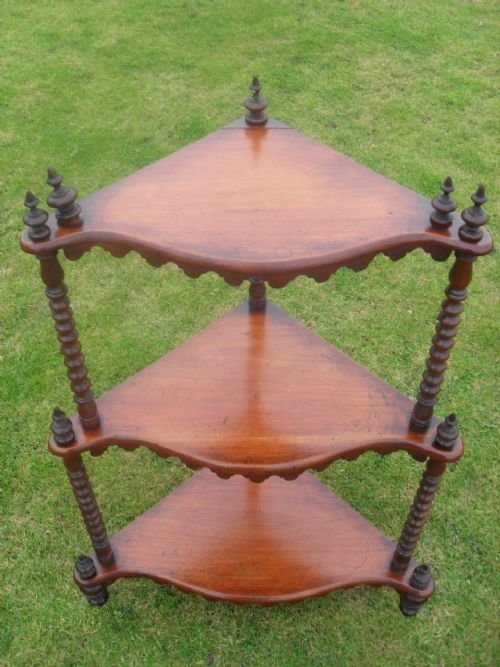
A warm brown corner display encompasses fitted furniture designed to occupy ninety-degree angles, spanning standing corner cupboards, hanging glazed cabinets, and multi-tiered whatnots. These pieces utilise deep timber tones across periods ranging from the eighteenth century through the Edwardian era and the nineteen-thirties.
Materials and construction methods
Makers built these pieces primarily using solid hardwoods and veneers, selecting oak, mahogany, walnut, elm, and teak for their grain and structural strength. Brass hardware appears on campaign trunks and cabinet doors, while glass panels protect display shelves in hanging and standing glazed cabinets.
Joinery methods reflect traditional cabinet-making, incorporating multi-tiered shelf supports in five-tier whatnots, intricate inlay work on Edwardian surfaces, and architectural cornices on eighteenth-century cupboards. Country house workshops and urban cabinet-makers shaped these timbers to fit domestic corners precisely.
Listings feature timbers including oak, mahogany, walnut, elm, teak, and bamboo across Georgian, Victorian, and Edwardian periods.
Distinguishing quality across the range
Quality rests in timber selection and the crispness of cabinet-making, distinguishing standard utility pieces from sophisticated country house furniture. Superior examples display carefully matched grain patterns, refined architectural proportions, and intricate decorative inlay rather than plain surfaces.
The integration of glazing bars, structural timber stability, and original brass fittings separates finer standing and hanging cupboards from later reproductions. Finer items demonstrate deliberate attention to internal shelving and harmonious exterior lines tailored for display.
The Warm Brown Corner Display Glossary
- Corner Cupboard
- A cabinet built with a triangular footprint designed to fit snugly into the internal angle of a room. These pieces feature single or double doors, sometimes glazed to display contents.
- Whatnot
- A multi-tiered shelving unit used for displaying ornaments, books, or small objects. These items typically feature three to five open tiers supported by slender uprights.
- Dumb Waiter
- A tiered serving piece or side table fitted with rotating or fixed shelves. These items served dining rooms for holding dishes and glassware.
- Serpentine Front
- A curved furniture front characterised by a convex centre flanked by concave ends. This shaping requires skilled woodworking to achieve fluid lines.
- Architectural Cornice
- A decorative moulded projection capping the top of a cabinet or cupboard. These elements borrow classical building designs to lend formality to furniture.
Warm Brown Corner Display: Frequently Asked Questions
What rooms suit a corner cupboard?
These cabinets fit dining rooms, hallways, and studies by utilising unused corner angles for storage and display without crowding floor space. Hanging versions free up floor area entirely while displaying contents at eye level.
Standing models anchor awkward angles, providing substantial interior volume behind panelled or glazed timber doors.
How do I identify a Victorian whatnot?
Victorian whatnots typically feature multiple open timber tiers, such as three to five shelves supported by turned or carved uprights. They often appear in walnut or mahogany, designed specifically for displaying small ornaments.
Later Victorian examples may incorporate mirrors or intricate fretwork panels reflecting the aesthetic tastes of the period.
Are these cabinets difficult to install?
Standing models simply require placement into a right-angled corner, relying on their own weight and levelled feet for stability. Hanging glazed models need secure wall fixings to bear the weight of solid timber and glass doors safely.
Checking wall construction ensures safe mounting for heavier eighteenth-century or nineteenth-century hanging pieces.
What is an aesthetic period cabinet?
Aesthetic period pieces reflect late nineteenth-century design reforms that embraced Japanese motifs, ebonised surfaces, or natural materials like bamboo. These cabinets prioritize artistic composition over heavy classical revival styles.
They offer lighter frames and distinctive decorative details suited to eclectic interiors.