



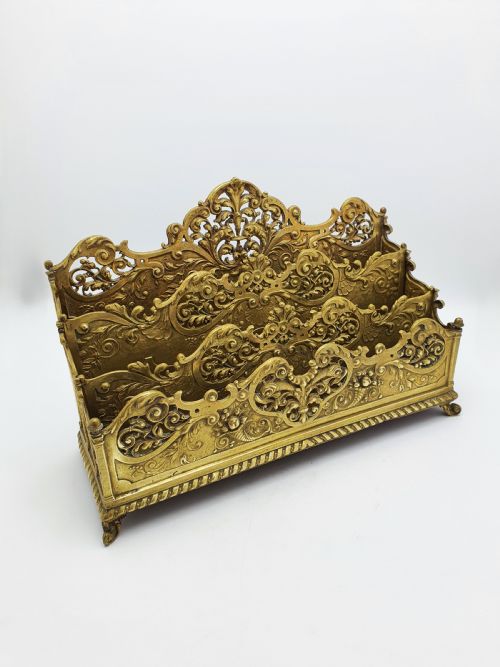
Pierced Brass Stand
A pierced brass stand brings warmth and intricate pattern to a room, functioning as a practical support for hearth use or display.
Pierced Brass Stand
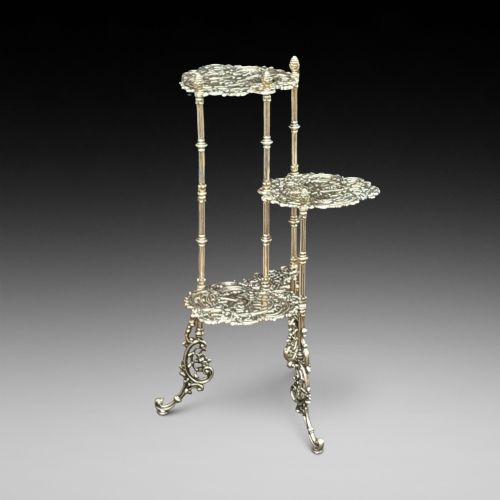
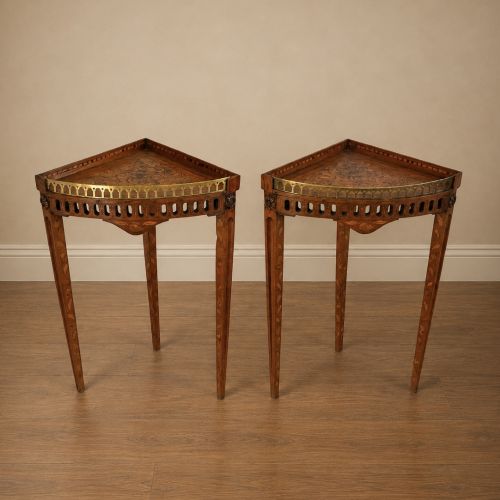
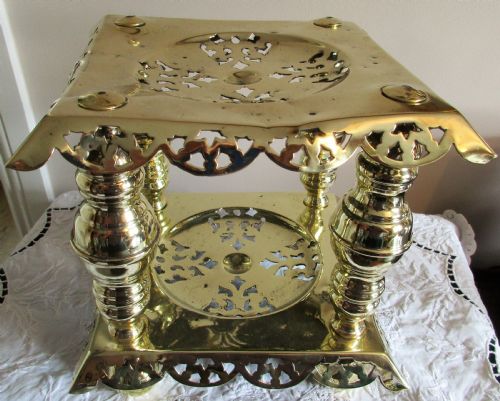
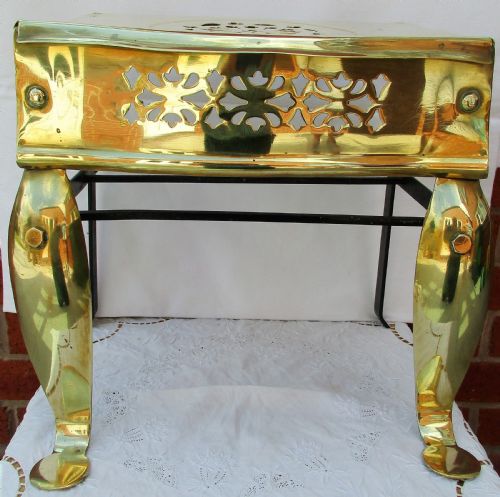
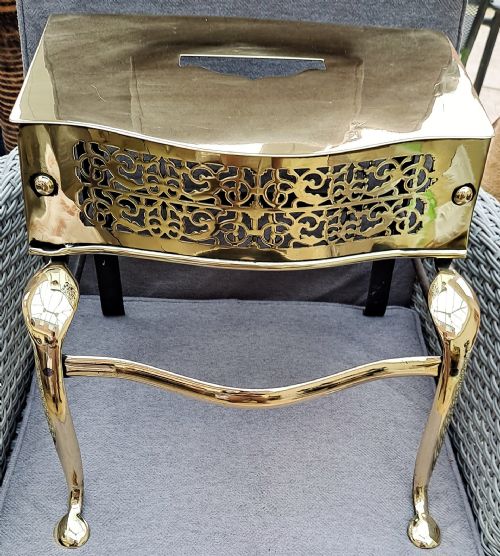
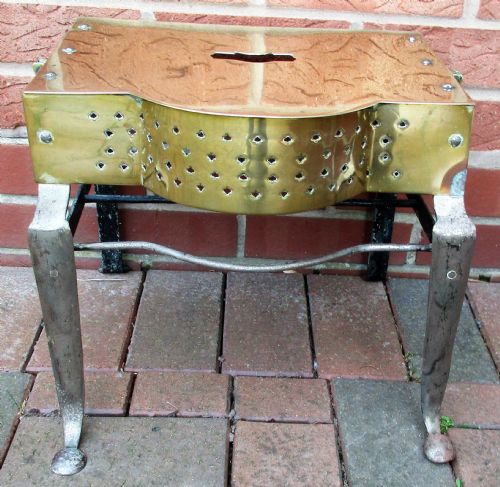
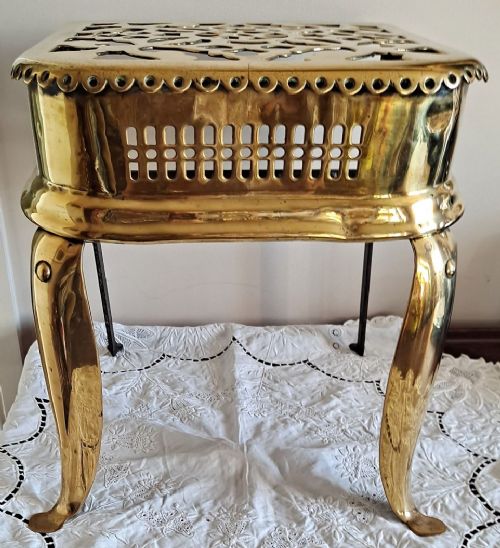
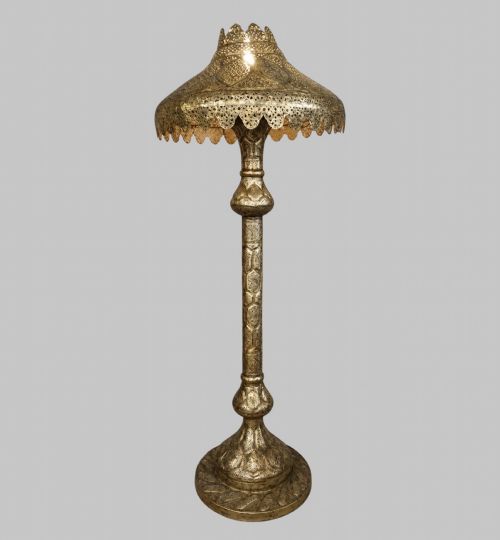
A pierced brass stand encompasses functional household furnishings and accessories designed with cut-out or perforated metalwork. Buyers encounter various forms on this page, ranging from fireside footmen and trivets to occasional tables, plant stands, and book stands.
The selection includes items spanning the eighteenth century through the early twentieth century, with strong representation from the Victorian period. Alongside English items, the listings feature Anglo-Indian, Middle Eastern, and European regional interpretations in brass, often combined with other metals and woods.
Domestic equipment for the hearth sits alongside display furniture, offering choices between utilitarian footmen and decorative occasional tables. Pierced brass work appears across diverse object types, uniting practical utility with ornate surface decoration.
How they were made
Makers utilised sheet and cast brass, frequently pairing the primary metal with iron or steel for structural strength in hearth accessories. Wood such as teak and walnut provides the foundation for inlaid tables, while copper and ormolu contribute contrasting metallic tones.
Techniques relied on hand piercing, cutting, and engraving to create intricate patterns across the brass surfaces. Inlaid pieces incorporate metal wire and sheet into wooden bases, reflecting distinct regional craftsmanship from English workshops to Cairo ware production.
Some stands fold completely flat, proving that Victorian and Georgian craftsmen appreciated clever storage just as much as modern buyers.
What varies in quality
Quality rests upon the crispness and depth of the piercing and engraving work executed on the metal. Superior examples exhibit deliberate, clean apertures and refined chasing that maintains structural integrity alongside decorative detail.
The choice of secondary materials and the stability of the overall construction distinguish finer items from standard production. Integration between brass components and supporting elements like iron frames or wooden stands indicates the level of care invested by the maker.
Wm. Tonks & Sons
The Pierced Brass Stand Glossary
- Footman
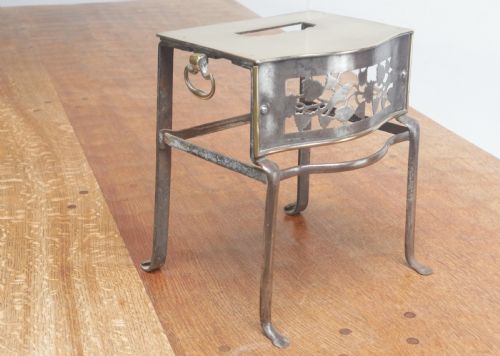
- A metal stand placed before a fireplace to keep food or kettles warm. These hearth accessories often feature pierced brass aprons and iron or steel legs.
- Trivet
- A small three-legged or four-legged stand supporting a kettle or cooking vessel near a fire. Many surviving examples showcase elaborate pierced brass tops.
- Cairo ware
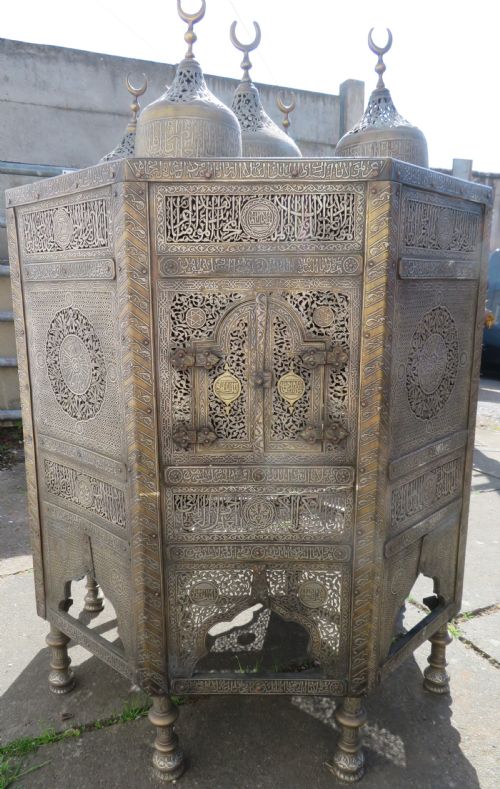
- Metalwork originating from Egypt, typically brass inlaid with silver and gold. Pieces such as Quran stands and occasional tables display dense Islamic geometric or calligraphy motifs.
- Ormolu
- Gilded bronze applied to furniture mounts and decorative objects. This technique imparts a rich golden finish to decorative metal components.
- Etagere
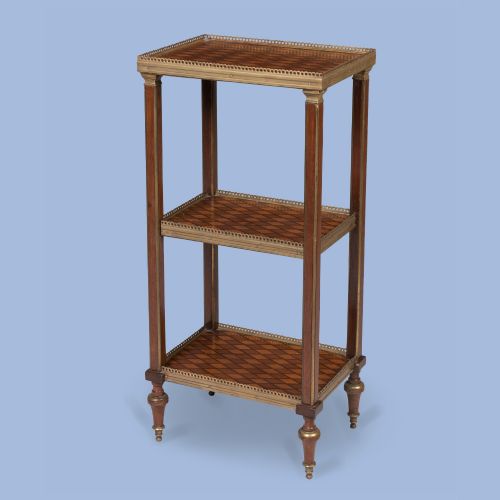
- A set of open shelves for displaying small objects or ornaments. These tiered stands sometimes incorporate brass galleries and delicate framing.
Pierced Brass Stand: Frequently Asked Questions
What is a brass footman?
A brass footman is a traditional hearth accessory used in past centuries to keep food warm near the open fire. These pieces typically combine a pierced brass top with robust iron or steel legs for heat resistance.
Over time, they transitioned from utilitarian kitchen equipment to decorative fireplace furnishings collected for their detailed metalwork.
How do I use a plant stand?
A plant stand provides an elevated surface for displaying potted greenery in living spaces or hallways. Their compact footprints make them suitable for corners or beside windows.
When positioning these stands, ensure the weight of the pot matches the stability of the metal or wooden base.
What is Cairo ware?
Cairo ware refers to Middle Eastern metalwork, usually brass, decorated with intricate silver and gold inlay. These items were often produced for export during the late nineteenth and early twentieth centuries.
They bring complex geometric patterns and contrasting metallic finishes into domestic interiors as tables or stands.
How do I care for brass?
Brass requires gentle dusting with a soft cloth to maintain its surface without abrasive cleaning. Avoiding harsh chemical polishes preserves the natural patina accumulated over decades.
Keeping the metal away from excessive moisture protects both the brass and any integrated wooden or iron elements.
How do I identify a trivet?
A trivet is a low-standing platform designed to elevate hot vessels off tabletops or hearth floors. They are easily identified by their short legs and perforated or pierced flat surfaces.
Victorian and Edwardian examples often feature ornate pierced handles and decorative brass tops.