




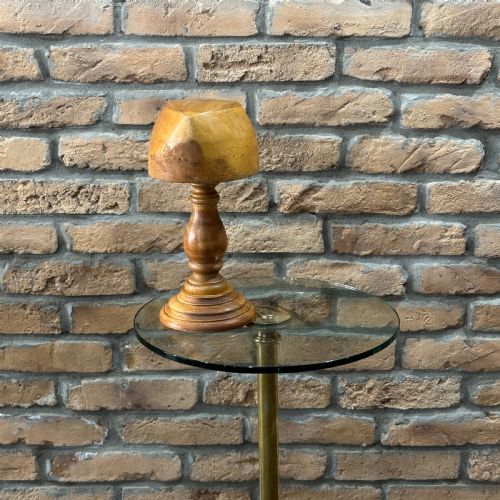


Antique Haberdashery Stand
An antique haberdashery stand brings functional shop retail history into domestic spaces, offering sturdy display for hats, cottons, and small garments.
Antique Haberdashery Stand
An antique haberdashery stand encompasses shop fittings, retail display fixtures, and dressing accessories originating from the nineteenth and early twentieth centuries. These pieces reflect the practical needs of milliners, drapers, and tailors through specialist forms like hat stretches, cotton reel trees, and countertop display units.
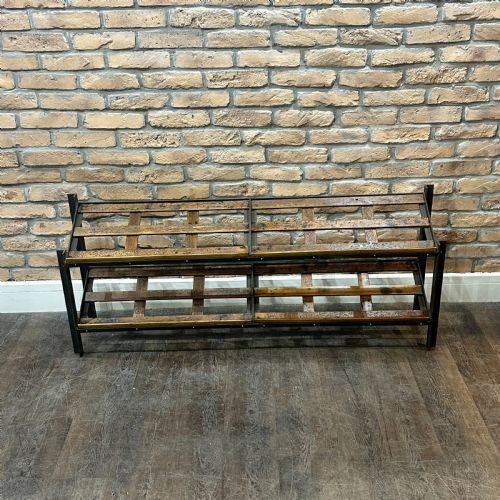
The versions most commonly met on this page include brass and iron shop display stands, oak hat stands from the Arts and Crafts era, and functional sewing or bobbin stands. Pieces span Victorian, Edwardian, and Art Deco aesthetics, drawing on traditional trade and retail environments.
Originating primarily from English and French retail contexts, these objects serve equally well today as sculptural desk accessories, hallway hat holders, or freestanding shop counter accents. Their utilitarian background gives them a distinct presence that sets them apart from conventional domestic furniture.
Materials and construction methods
Makers utilised robust combinations of brass, cast iron, and steel to build sturdy counter and floor displays capable of heavy daily use. Oak, walnut, beech, and ebonised woods provide the structural bodies for cabinets, tables, and wooden hat blocks.
Textiles, glass, and fabric feature alongside silver and bronze elements in smaller sewing sets, pin cushion stands, and display cabinets. Joinery methods reflect standard workshop practices of the Victorian and Edwardian periods, balancing utility with decorative metalwork.
Listings feature items spanning the 1880s through the 1930s, incorporating brass, cast iron, oak, and glass.
Quality and craftsmanship variations
Superior examples demonstrate heavier gauge brass, solid oak or walnut construction, and refined casting details on iron bases. Lesser pieces rely on lighter plated metals and basic softwood framing intended strictly for transient retail utility.
The integrity of mechanical components, such as adjustable height fittings on display stands or operating hinges on glazed cabinets, distinguishes finer workshop production from standard commercial shop inventory.
Artificer's Guild·Siegel
The Antique Haberdashery Stand Glossary
- Haberdashery stand
- A retail fixture or display accessory designed for selling sewing materials, millinery, or small garments. These objects range from countertop cotton trees to freestanding hat blocks.
- Hat stretcher
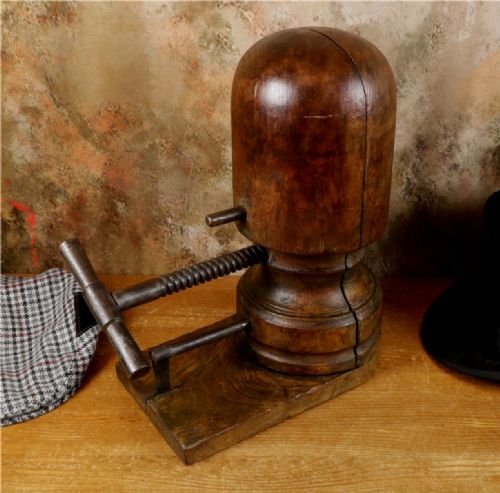
- A specialist wooden tool used by milliners and hatters to expand or maintain hat sizes. They often feature screw mechanisms and segmented wooden forms.
- Cotton reel tree
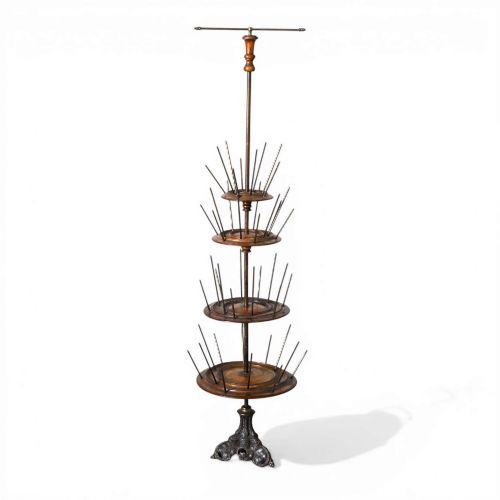
- A tiered vertical stand designed to hold multiple spools of thread for customer selection in drapery shops. They typically feature rotating or fixed metal spindles.
- Display cabinet
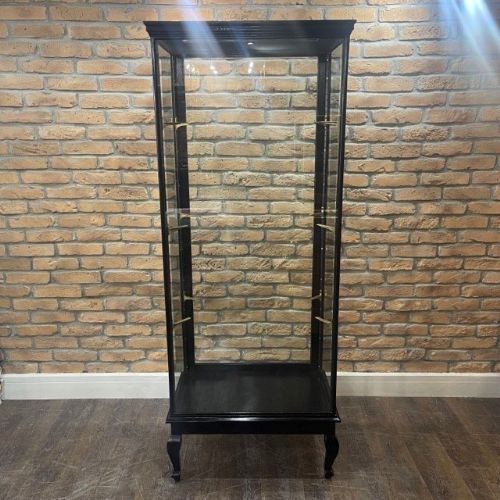
- A glazed enclosure utilised in retail settings to showcase small wares, silver, and accessories. These units protect merchandise while maintaining full visibility.
- Milliner
- A maker and seller of hats and headwear. Millinery tools and display forms form a significant portion of early retail antiques.
Antique Haberdashery Stand: Frequently Asked Questions
What is an antique haberdashery stand used for?
These stands originally served in shops to display hats, spool cotton, gloves, and small garments to customers. Today they are utilised in homes as sculptural display pieces for accessories and textiles.
Their functional origins mean they bring an industrial or traditional retail character into modern interiors while remaining entirely practical.
How do I date an antique shop display stand?
Dating relies on identifying material choices, construction techniques, and stylistic markers associated with periods like the Victorian era or Art Deco. Cast iron bases and heavy brass components often point toward nineteenth-century trade manufacturing.
Specific design traits, such as Arts and Crafts oak framing or 1930s bronze details, help narrow the timeframe further.
Are hat stretchers and hat blocks the same thing?
Hat stretchers typically feature mechanical adjustment screws designed to alter hat dimensions, whereas hat blocks are solid wooden forms used in shaping hats during manufacture. Both served practical roles in millinery workshops before entering the antique market.
Collectors value both forms for their distinct sculptural qualities and honest woodwork.
How should I clean brass and iron display stands?
Maintenance requires gentle dusting and preserving the natural patina accumulated over decades of retail use. Aggressive polishing removes the historical surface character that collectors prefer to retain.
For wooden components, standard beeswax applications help nourish dry timber without altering original finishes.