
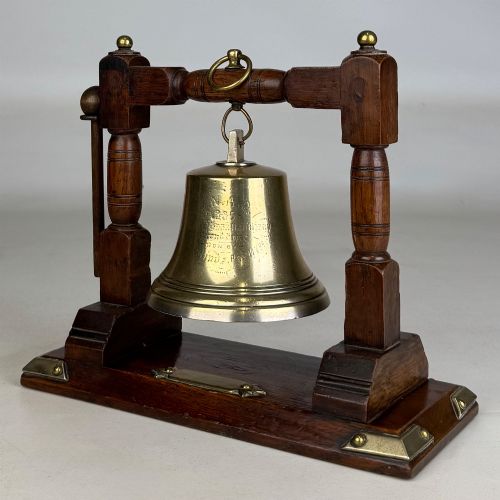
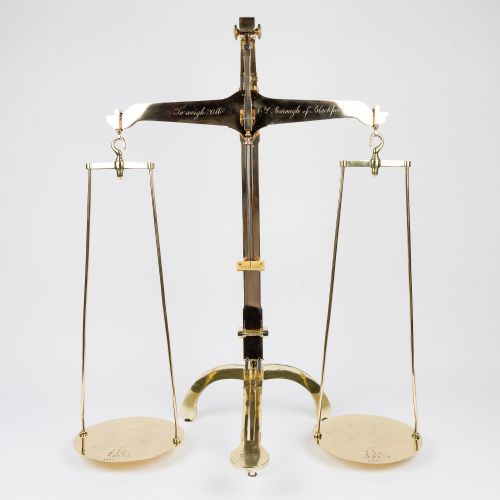


Brass Counter Stand
These brass counter stand pieces are retail shop fittings and display items that bring period character to a modern workspace or interior.
Brass Counter Stand
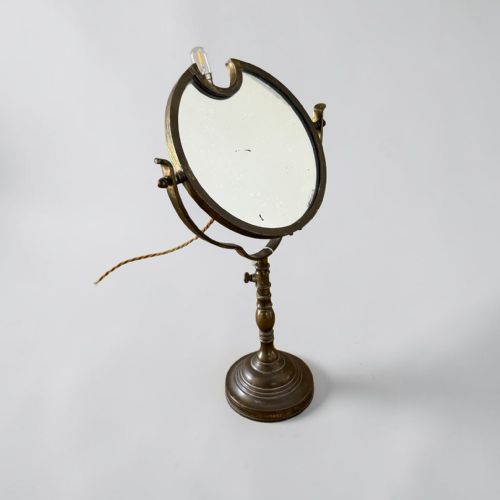
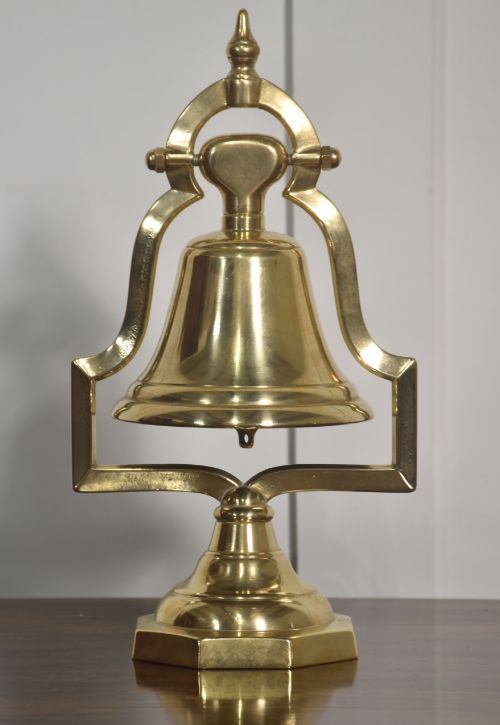
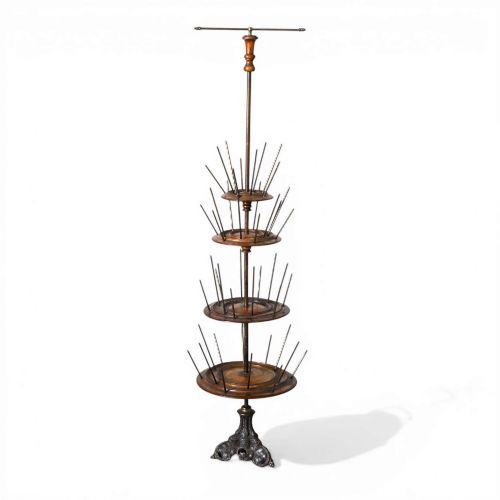
A brass counter stand encompasses a range of shop fittings and mercantile displays, running from Victorian cotton reel trees and draper's display stands to Edwardian bell sets and jewellery shelves. Buyers searching for a brass counter stand encounter practical retail pieces originating from the nineteenth and early twentieth centuries, spanning the Victorian and Edwardian eras alongside the Art Deco period.
Origins stretch across the 1860s, 1900, 1910, 1920, and the broader Victorian and Edwardian periods. This variety shows how commercial display evolved from simple apothecary and drapery requirements into more stylised window and countertop presentations.
How they were made
Construction relies heavily on cast and worked brass, frequently paired with secondary materials such as cast iron, oak, mahogany, steel, glass, and painted toleware. Metal components are cast, turned, or rimmed to provide the rigidity needed for daily retail use.
Timber elements like oak and mahogany serve as heavy bases or fitted blocks for bells and weights, while cast iron adds structural support to draper's stands. Painted toleware and glass provide contrasting textures within grocery hoppers and display surfaces.
Listings feature items from the 1860s, Victorian, Edwardian, 1900, 1910, and 1920 periods, utilising brass, cast iron, oak, mahogany, glass, steel, and toleware.
What varies in quality
Quality rests upon the integrity of the original construction, the heft of the brass work, and the survival of secondary materials like wooden stands or inset blocks. Pieces intended for municipal or professional commerce, such as city borough scales, often display superior weight and precision engineering.
The harmony between the brass elements and their wooden or iron mounts distinguishes standard utility items from finer display pieces. Originality of components, from the specific weights in an apothecary block to the tiers on a cotton reel tree, dictates the integrity of the piece.
The Brass Counter Stand Glossary
- Brass
- A copper and zinc alloy prized in trade fittings for its durability and bright finish. It forms the primary structural and decorative component for these stands.
- Toleware
- Metalware treated with paint and lacquer, often seen in grocery hoppers. It provides a durable, decorative surface for mercantile goods.
- Haberdashery
- Items and fittings associated with the sale of sewing goods, ribbons, and textiles. Cotton reel trees are classic examples of this retail category.
- Apothecary
- Pertaining to the preparation and sale of medicines. Blocks and weights from this trade exhibit precise standardisation for historical measurements.
Brass Counter Stand: Frequently Asked Questions
What is a brass counter stand?
A brass counter stand is a vintage retail fitting used in nineteenth and early twentieth-century shops to display goods or facilitate service. These items include cotton reel trees, draper's stands, and bell sets.
They were built for heavy commercial use, combining brass metalwork with timber or cast iron bases to withstand constant handling in busy mercantile environments.
How were these stands used originally?
Merchants utilised them on shop counters and in display windows to organise stock, summon assistance, or weigh goods accurately. Items like hat stands and jewellery shelves presented merchandise directly to customers.
Heavier pieces, such as city borough scales and apothecary weights, served precise measurement functions in official trade and medical dispensaries.
How do I date a brass counter stand?
Dating relies on stylistic markers associated with Victorian, Edwardian, and Art Deco periods, alongside material combinations like oak and cast iron. Stamped municipal inscriptions or manufacturer details can also anchor a piece to a specific decade.
Construction techniques, such as the casting methods used for iron bases and the finish of the brass, help distinguish mid-nineteenth-century items from 1920s retail pieces.
Can I use these stands in a modern home?
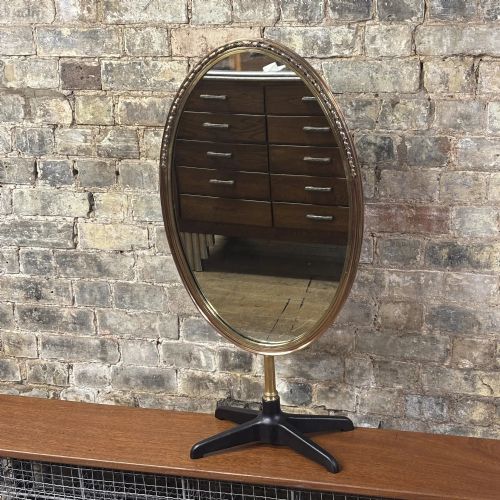
These pieces adapt easily to contemporary interiors as functional display items or decorative desk accessories. Hat stands, dressing mirrors, and small shelving units offer practical utility alongside period charm.
Their robust construction ensures they remain stable for everyday domestic use, whether holding accessories in a hallway or displaying items on a dressing table.