
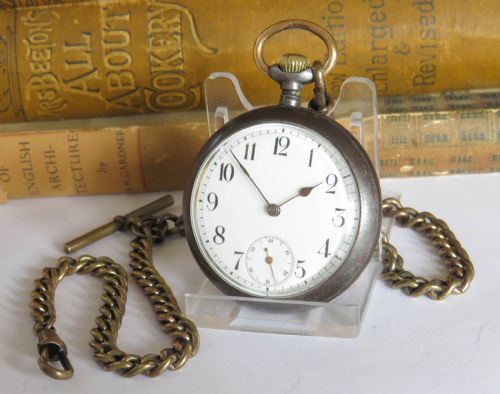

Antique Brass T Bar
An antique brass t bar provides practical fastening for heavy doors while displaying the polished warmth of early metalwork.
Antique Brass T Bar
An antique brass t bar functions primarily as a functional door pull or handle encountered across Victorian and Edwardian joinery. These utilitarian fixtures take a distinct horizontal form mounted on a central vertical stem, designed for frequent handling.
The pieces emerge from periods spanning the nineteenth century through the early twentieth century, aligning with heavy architectural hardware of the era. Buyers find them fitted to shop doors, interior entranceways, and large cabinetry.
Cast metal components dominate the offerings, showing the weight and substantial sizing typical of commercial and domestic hardware from the Edwardian and Victorian decades. They serve both restoration projects and decorative architectural schemes.
Assessing quality in brass hardware
Metal composition and casting thickness dictate the durability and feel of each handle. Superior examples display crisp definition in any moulded details and possess significant heft from solid brass construction rather than hollow fabrication.
The integrity of the original mounting points and the retention of an unpolished or naturally aged surface differentiate standard utility hardware from finer decorative specimens.
Some sturdy shop door handles survived decades of daily retail traffic while others spent a century tucked away in storage.
Maison Bagues·Negretti & Zambra
The Antique Brass T Bar Glossary
- Cast brass
- Metal poured into a mould to create solid architectural elements. This technique allows for heavier components than sheet metal fabrication.
- Patina
- The surface oxidation and sheen acquired by metal over long periods of handling and exposure. Collectors value this natural indicator of age.
- Door pull
- A handle designed to be pulled rather than turned to open a door. These items frequently take bar or ring forms.
- Edwardian
- The period of British history spanning the reign of King Edward VII from 1901 to 1910. Design during this era often reinterpreted earlier Georgian and Victorian motifs.
Antique Brass T Bar: Frequently Asked Questions
How do I mount an antique brass t bar?
Installation typically requires aligning the pre-drilled screw holes on the mounting plate directly onto the wooden door surface. Using matching slotted brass screws maintains the period appearance of the hardware.
Care must be taken not to over-tighten the fixings into older timber, as historical wood can split under excessive torque from modern steel fasteners.
Can these handles be used on modern doors?
These handles fit modern exterior and interior doors provided the door thickness and internal bracing can support solid cast metal hardware. They add distinct character to contemporary joinery.
Buyers should measure the fixing centres carefully to ensure the existing screw holes or latch mechanisms align with the vintage dimensions.
How should I clean antique brass?
Gentle dusting with a soft cloth preserves the accumulated surface character without removing the historical patina. Avoid harsh chemical polishes that strip away the aged appearance.
If cleaning is necessary to remove grime, warm water with mild soap applied on a damp cloth is sufficient, followed by immediate drying.
How do I date an antique brass handle?
Dating relies on examining the casting methods, screw types, and overall weight of the brass component. Heavier sand-cast specimens without modern machine marks generally point to nineteenth or early twentieth-century production.
Comparing the design profile to documented hardware catalogues from Victorian and Edwardian makers offers further chronological context.