



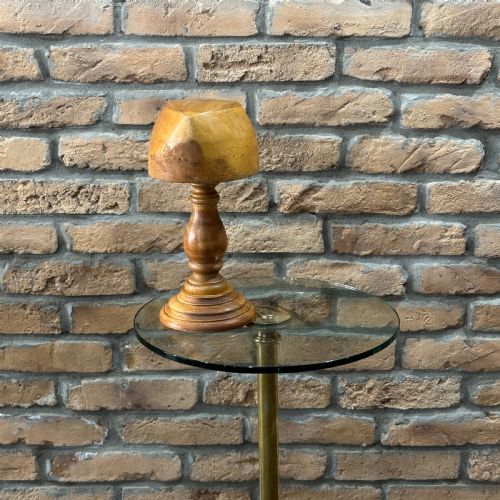


1920s Display Stand
A 1920s display stand holds retail goods or domestic treasures, combining the practical frames of the period with decorative appeal.
1920s Display Stand
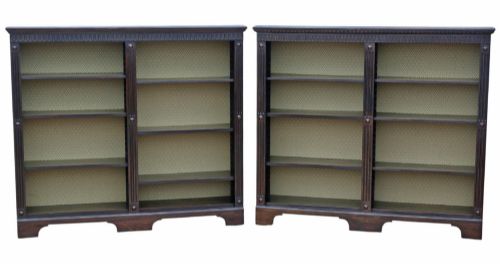
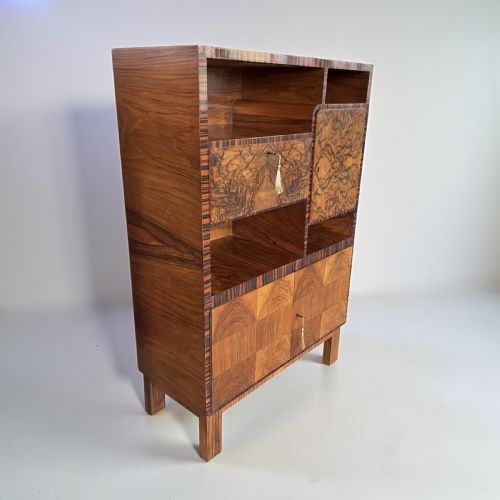
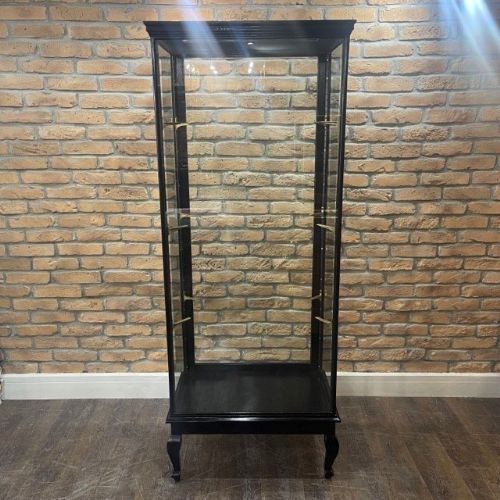
When you search for a 1920s display stand, you encounter a varied selection of furniture and countertop accessories designed to elevate objects. These pieces range from shop display cabinets and brass glazed structures to plant stands and tiered cake stands.
The objects appearing under this heading bridge domestic and commercial spheres, reflecting the retail and interior needs of the era. You will find occasional tables, bookcases, and specialised holders sharing space with tower cabinets and countertop shelves.
Materials and construction
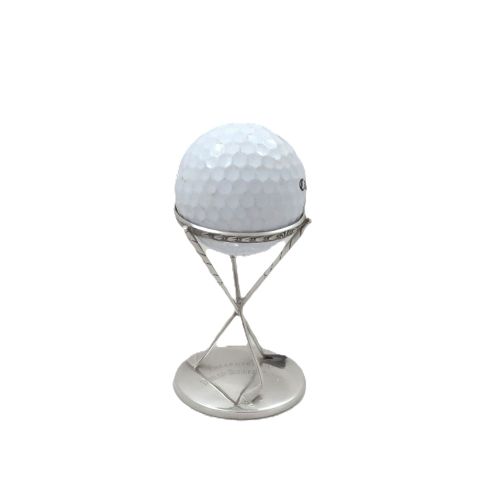
Construction techniques include barley twist legs, lacquered painted finishes, and ebonised woodwork. Silversmiths applied detailed moulding and hallmarks to smaller sterling silver items like golf ball stands and hat pin holders.
Listings feature items spanning the 1910s, 1920s, and 1930s, incorporating Art Deco, Arts and Crafts, and George V styles.
Distinctions in quality
Quality in these pieces rests upon the integrity of the materials and the refinement of the joinery or metalwork. Solid timber frames and well-fitted glazed panels demonstrate superior craftsmanship compared to utilitarian alternatives.
The presence of distinguished makers or firm signatures elevates a piece, as seen in marked silver and documented cabinet makers. Original components, such as intact glass and matching boxes, maintain the integrity of the object.
Crisford & Norris·Sandberg & Co·Siegel·Elkington
The 1920s Display Stand Glossary
- Art Deco
- A design style emerging in the early twentieth century characterised by sleek geometric shapes and stylised motifs. It strongly influences the cabinets and stands from this decade.
- George V
- The period of British history spanning from 1910 to 1936, encompassing traditional craftsmanship alongside evolving modern tastes. Pieces from this era often carry official silver hallmarks.
- Barley twist
- A decorative turning technique resembling a spiral rope, frequently found on the legs of wooden tables and plant stands. This detail adds movement and traditional texture to the furniture.
- Silver plate
- A layer of silver applied to a base metal, commonly used for cake stands and mirror plateaux. It offers the lustre of solid silver with practical durability.
1920s Display Stand: Frequently Asked Questions
What items count as a 1920s display stand?
The category encompasses diverse structures designed to elevate items, ranging from shop cabinets and glass display units to plant stands and countertop shelves.
Smaller tabletop accessories, such as hat pin holders and golf ball stands, also fall under this description.
How do I identify a piece from this decade?
Look for stylistic markers of the period, including Art Deco geometry, Edwardian transitions, and specific revival styles like Jacobean or George V traditions.
Silver components often bear date letters and maker's marks that confirm the exact year of manufacture.
Where were these stands originally used?
Many examples served commercial purposes in jewellers' shops and boutiques, housing hats, jewellery, and luxury retail goods.
Others functioned in domestic interiors as plant stands, occasional tables, or elegant shelving units for books and ornaments.
How should I care for wooden and brass stands?
Maintain wooden surfaces like oak and walnut with appropriate beeswax, avoiding excessive moisture to protect the polished finish.
Clean brass and bronze components gently with a soft cloth to preserve the metal surface without stripping historical patination.