




Victorian Needlework Accessories
Victorian needlework accessories are functional nineteenth-century sewing tools and containers designed to hold threads, pins, and thimbles, offering tactile charm for collectors.
Victorian Needlework Accessories
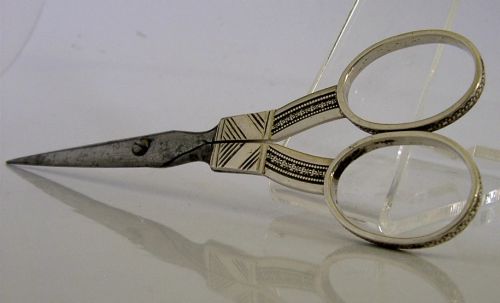
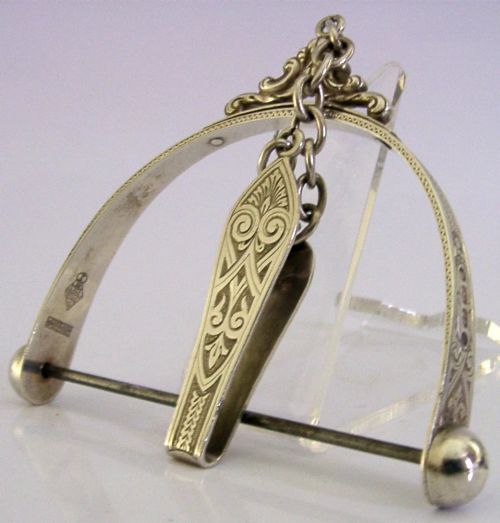
Victorian needlework accessories encompass a specialised group of nineteenth-century sewing and haberdashery items used for domestic needlecraft. When browsing Victorian needlework accessories, buyers encounter portable chatelaine pieces, dressing table sets, and specialised cases designed to organise pins, threads, and scissors.
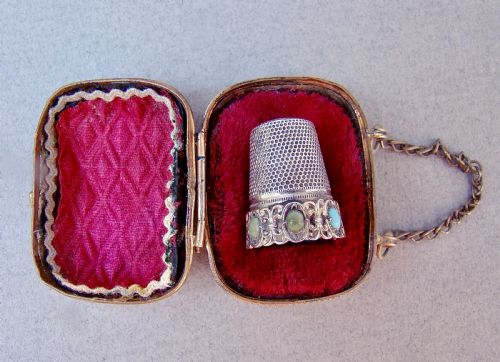
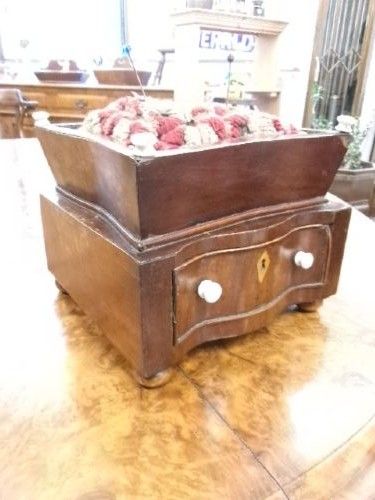
The selections span various forms including pin cushions fashioned as animals or sledges, silk skein holders, and thimble cases. Origin influences the character of these objects, with English, French, and Dutch examples appearing across the inventory.
Materials range from precious metals to carved nuts and decorative woods, reflecting the varied domestic and social habits of the period. The assortment captures both utilitarian sewing gear and ornamental dressing table accessories from the nineteenth century.
How they were made
The construction of Victorian needlework accessories relies on traditional nineteenth-century metalwork, woodwork, and textile assembly. Silversmiths shaped solid silver and sterling silver into chatelaine cases, scissor sheaths, and thimble holders, frequently incorporating repoussé or chased decoration.
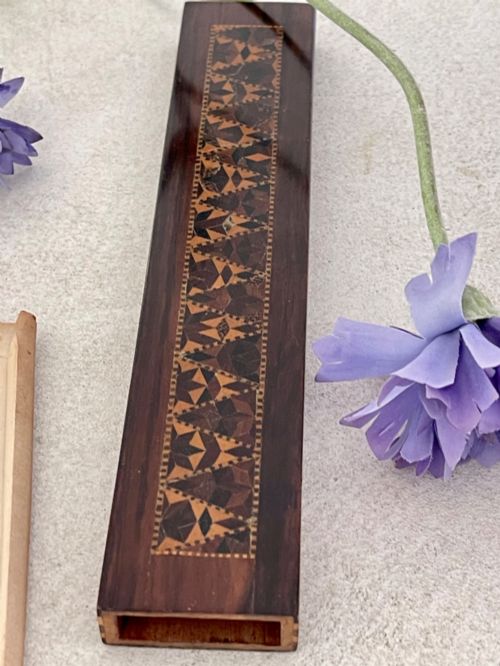
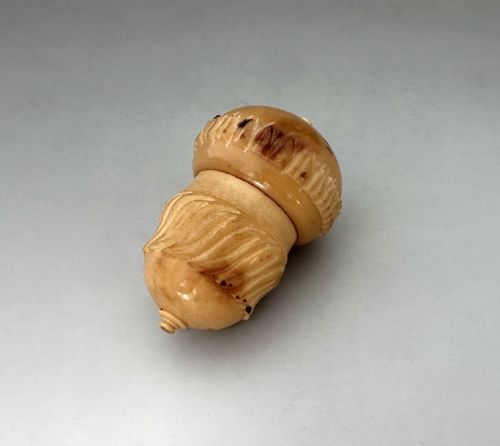
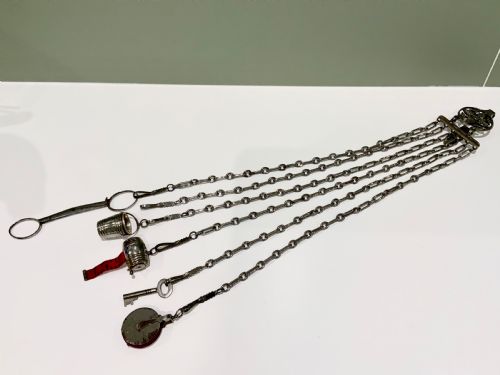
Woodworkers utilised mahogany, rosewood, ebony, and mixed wood inlay to build sewing stands, etuis, and decorative silk holders such as Tunbridge ware pieces. Natural materials also appear, with artisans carving corozo nuts into compact thimble cases and shaping steel into functional chatelaines.
Listings feature items from the nineteenth century, including specific Victorian pieces dated between 1850 and 1890.
What varies in quality
Quality in Victorian needlework accessories depends on the precision of the material execution and the complexity of the design. Metalwork pieces display varying levels of crispness in hallmarks, chasing, and stone-setting, particularly on French silver chatelaine cases.
In wooden and organic examples, the finesse of the joinery, the intricacy of Tunbridge ware mosaic patterns, and the carving detail on corozo nuts or figural pin cushions distinguish finer items from simpler utilitarian tools.
The Victorian Needlework Accessories Glossary
- Chatelaine
- A decorative belt hook worn with suspended chains carrying everyday household and sewing accessories. It allowed Victorian women to keep functional tools close at hand during daily tasks.
- Tunbridge Ware
- Woodware decorated with tiny mosaic patterns made from naturally coloured woods arranged to form geometric or pictorial designs. It originates from the spa town of Tunbridge Wells.
- Corozo Nut
- The hard, dense seed of the tagua palm, often carved as an ivory substitute for small boxes and thimble cases. It takes a smooth polish and resembles bone.
- Haberdashery
- Small items used in sewing and dressmaking, including pins, threads, tapes, and fasteners. Dressing table sewing sets often contained a collection of these essential sewing goods.
Victorian Needlework Accessories: Frequently Asked Questions
What are Victorian needlework accessories?
Victorian needlework accessories are nineteenth-century tools and containers used for sewing, embroidery, and dressmaking tasks. They include pin cushions, thimble cases, scissors, and chatelaine attachments.
These items combine practical utility with decorative appeal, reflecting the high standards of nineteenth-century domestic craft. Collectors prize them for their variety of materials and clever engineering.
How were sewing accessories used?
Victorian women used these accessories to organise threads, store needles, and keep working tools secure while sewing or dressing. Portable items hung from chatelaines fastened to the waist, while stationary pieces sat on dressing tables.
Specialised holders kept delicate items like silk skeins and steel scissors protected from damage. Many pieces served as decorative display items in the Victorian parlour as well as working tools.
What materials are common?
Common materials include silver, sterling silver, brass, steel, and velvet. Artisans also utilised organic materials such as mahogany, rosewood, ebony, and corozo nuts.
Some pieces feature mixed wood inlay or stone settings to enhance their decorative appearance. Each material dictated the specific manufacturing technique employed by nineteenth-century makers.
How do I identify a chatelaine?
A chatelaine consists of a decorative clip or hook worn at the waist with multiple hanging chains. Individual sewing tools, such as scissor sheaths and thimble cases, attached to the end of these chains.
They functioned as portable toolkits for the Victorian household. Examining the suspension loops and hanging implements helps confirm the identity of these pieces.