


Victorian Silver Scissors
When you search for victorian silver scissors, you find functional dining and sewing implements crafted during the nineteenth century.
Victorian Silver Scissors
When searching for victorian silver scissors, collectors encounter a specialised category of nineteenth-century implements designed primarily for dining and needlework. The selection spans dedicated grape shears, sugar nips, sewing compendiums, and chatelaine pieces originating from British and European workshops.
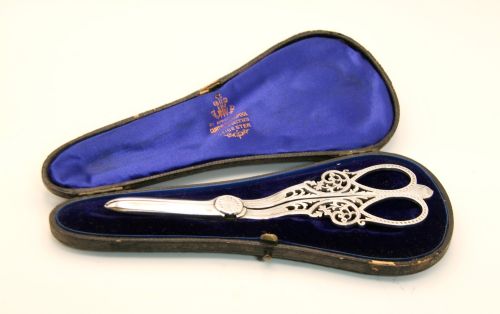
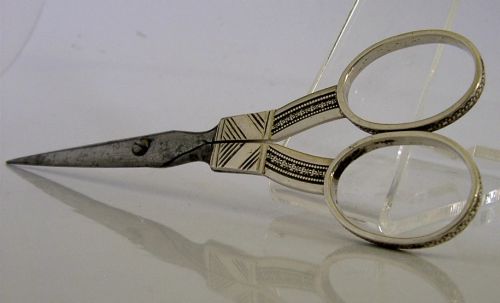
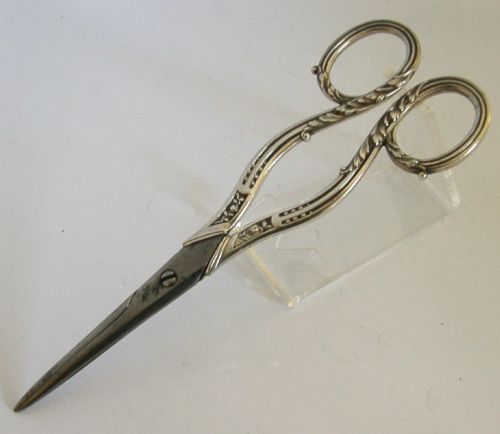
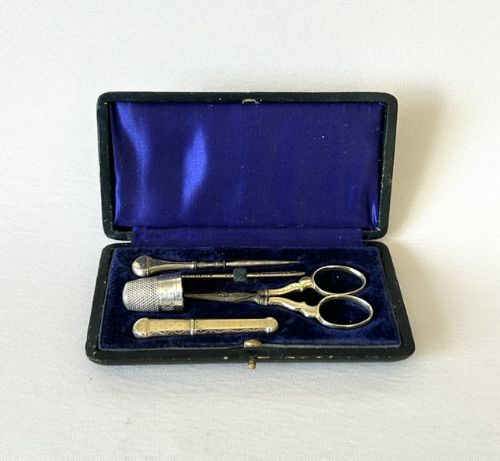
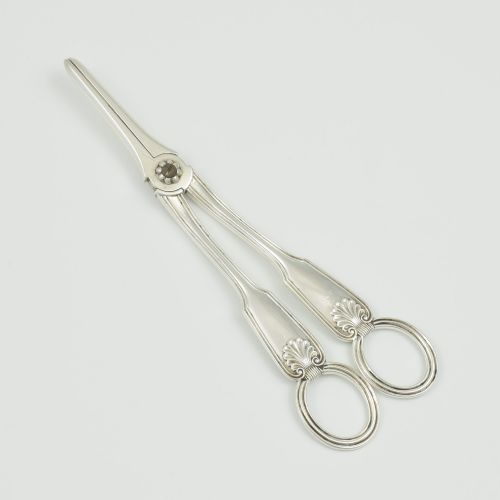
Grape scissors dominate the category, engineered with curved blades and naturalistic vine handles to sever fruit stalks cleanly at the table. Sewing variants appear alongside them, housed in fitted leatherette or velvet cases with dedicated sheaths and matching accessories.
Most examples hail from the Victorian period proper, though pieces range from William IV origins through to Edwardian and Belle Epoque revivals. Buyers find both sterling silver and silver gilt iterations, often bearing full hallmarks from regional assay offices such as London, Sheffield, and Birmingham.
Materials and Construction
Makers utilised sterling silver for the structural bows and handles, combining it with hardened steel blades to maintain a functional cutting edge. Silver gilt examples received a fine layer of gold applied over the silver surface to enrich the colour.
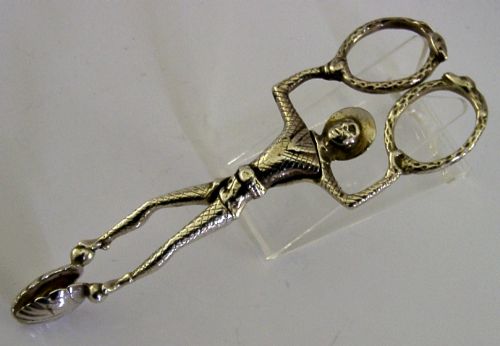
Casting and chasing formed the basis of surface decoration, producing intricate acanthus leaves, figural animal handles, and engraved foliate patterns. Many pairs were secured in fitted boxes lined with silk and velvet, accompanied by matching cutlery or fruit knives.
Listings feature sterling silver, silver gilt, and steel materials across Victorian and Edwardian periods.
Factors of Quality
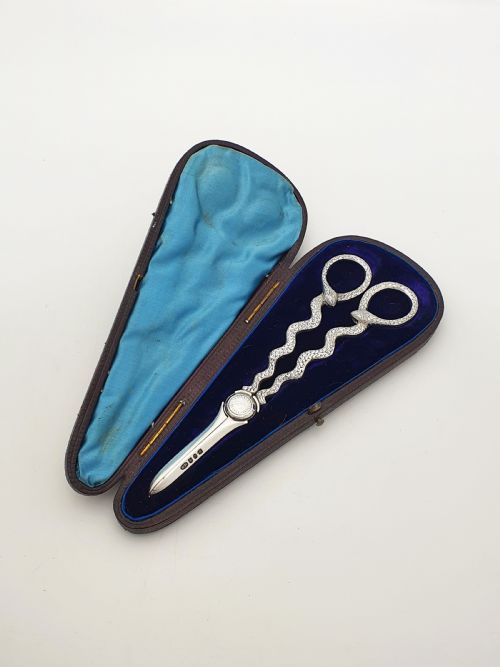
The distinction between standard utility items and masterwork pieces rests in the depth and clarity of the cast ornament on the handles. Highly regarded items feature high-relief naturalistic motifs like snakes or grape vines rather than simple machine engraving.
Completeness dictates value, with cased sets retaining their original fitted presentation boxes and matching velvet linings commanding greater attention from collectors. Crisp, legible hallmarks stamped directly onto the silver bow confirm the maker and year of manufacture.
Goldsmiths & Silversmiths Co·Paul Storr·Chawner & Co·Reilly & Storer·Hukin & Heath·Francis Higgins·Elizabeth Eaton·Josiah Williams & Co·John Gilbert·Wakely & Wheeler
The Victorian Silver Scissors Glossary
- Sterling silver
- A silver alloy containing 92.5 percent pure silver and 7.5 percent other metals, typically copper, used to ensure structural durability. This standard grade is stamped with specific regional hallmarks.
- Silver gilt
- Sterling silver that has been coated with a thin layer of pure gold through an electrochemical or fire-gilding process. This technique provides a rich golden appearance while retaining a solid silver core.
- Grape shears
- Specialised cutting implements featuring curved, blunt-tipped blades designed to harvest individual fruit clusters without puncturing the skin. The handles often incorporate cast grapevine or foliate ornamentation.
- Chatelaine
- A decorative belt hook worn from the waist with suspended chains carrying everyday household tools such as scissors, keys, or sewing implements. These portable accessories were popular functional items during the nineteenth century.
- Sugar nips
- Small hinged tools used to break or cut portions from large sugar loaves before the widespread adoption of granulated sugar. They share similar scissor-like mechanics and decorative silver handles.
Victorian Silver Scissors: Frequently Asked Questions
What were silver grape scissors used for?
These implements were utilised during formal dining to sever individual clusters of fruit cleanly from the stem. Their curved blades prevented bruising on delicate fruit varieties.
Hosts placed them alongside fruit knives and serving sets on the dining table as part of dessert service etiquette.
How do I clean antique silver scissors?
Maintenance requires gentle washing with warm soapy water and thorough drying with a soft cloth. Avoid abrasive dips that can damage historic patinas and steel blade inserts.
Store them in dry conditions, preferably within lined cases, to prevent tarnish accumulation over time.
What is a chatelaine scissor?
Chatelaine scissors were portable sewing or utility tools attached to a decorative belt hook by a short chain. They allowed the wearer to keep cutting implements close at hand during household duties.
These pieces frequently include a matching protective sheath or small case.
How can I date Victorian silver?
Dating relies upon examining the stamped hallmarks which typically include a maker's mark, a standard fineness mark, and an assay office symbol. A date letter stamp within the sequence pinpoints the exact year of production.
Stylistic cues like naturalistic foliate designs or aesthetic movement engraving offer additional chronological context.