


Vintage Silver Vanity
Vintage silver vanity pieces comprise scent bottles, trinket boxes, compacts and hand mirrors that bring tactile elegance to a modern dressing table.
Vintage Silver Vanity
When you search for vintage silver vanity, you encounter items designed for personal grooming and dressing table display spanning the Victorian era through the mid-twentieth century. The selection on this page relies heavily on the early decades of the twentieth century, bringing together George V, Edwardian and Art Deco expressions of dressing table accessories.
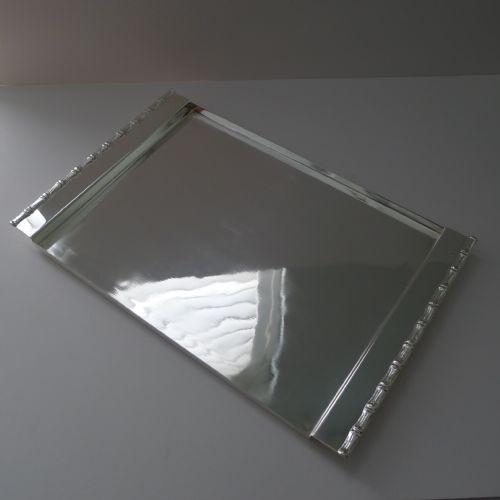
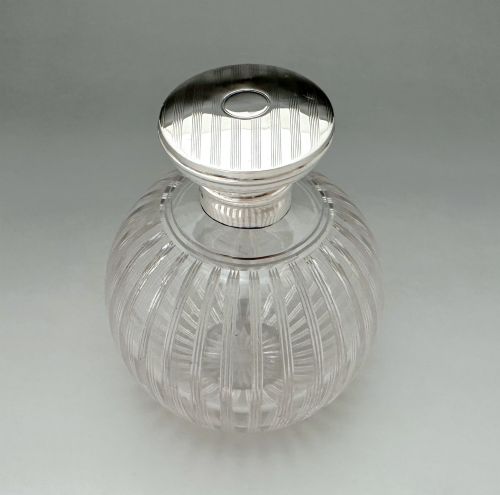
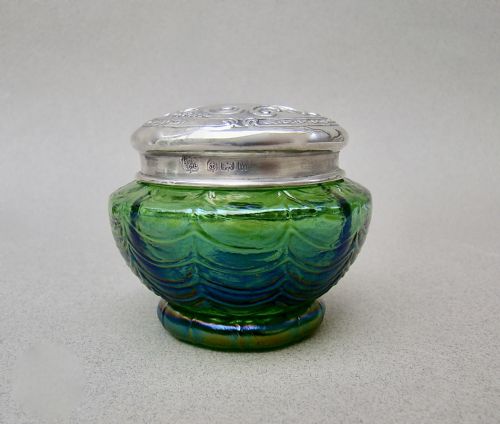
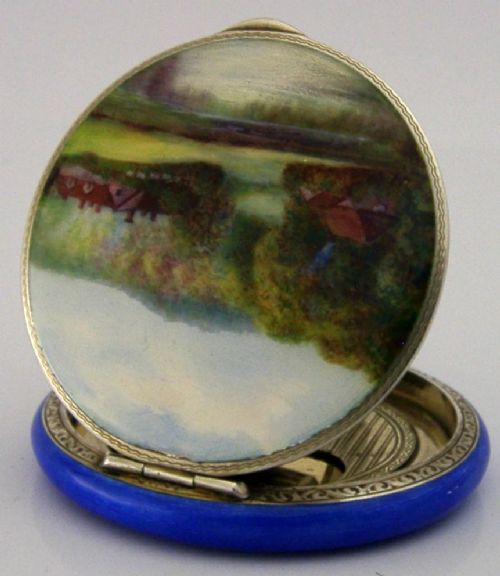
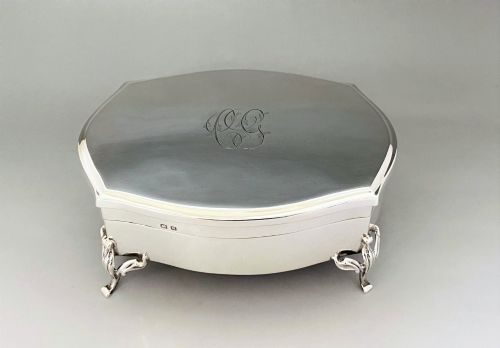
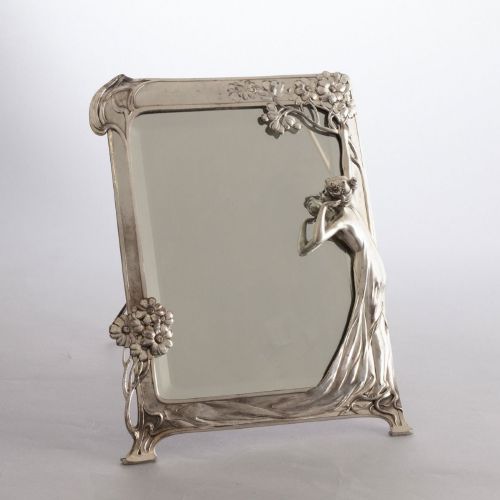
The objects take diverse forms, ranging from cut glass scent bottles and powder compacts to trinket boxes, hand mirrors and trays. These pieces reflect a time when dressing tables held dedicated sets of matching or complementary receptacles for cosmetics, perfumes and jewellery.
Materials span sterling silver, silver plate and pewter, often combined with glass, enamel, tortoiseshell and velvet. Pieces emerge from British workshops alongside continental European centres, displaying the distinct ornamental idioms of their respective decades.
Materials and methods
Silversmiths shaped sterling silver and silver plate through pressing, spinning and hand chasing, frequently pairing metal mounts with heavy cut glass, opaline glass or satin glass bottles and jars. Birmingham and London assay offices provided hallmarks that verify the metal standard and year of production.
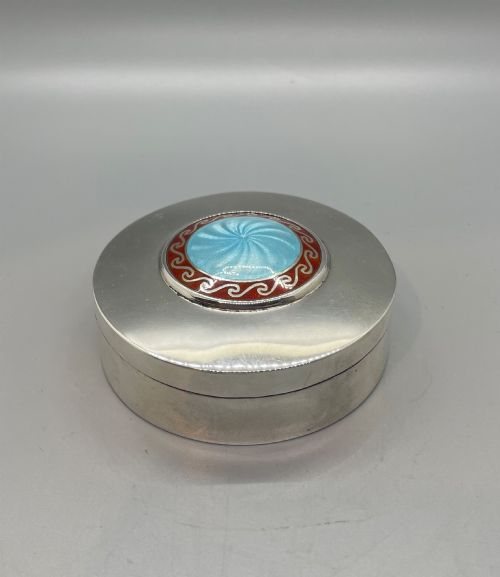
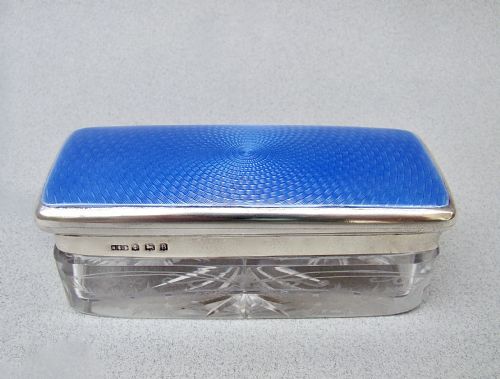
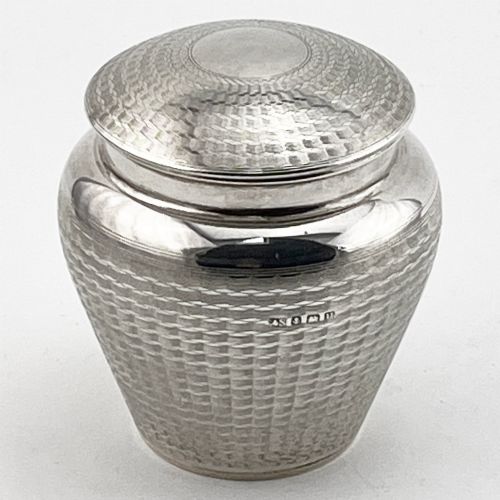
Enamelling techniques such as guilloché applied translucent coloured enamel over machine-turned metal grounds to create patterned surfaces on compacts and jar lids. Artisans also integrated organic materials like tortoiseshell and mother of pearl into silver frames to provide contrast and texture.
A sturdy silver teddy bear button hook from 1909 proves that Edwardian practicality could still possess a playful grin.
Markers of quality
Quality rests in the weight of the silver, the crispness of chased or engine-turned decoration, and the preservation of delicate enamel work free from chips or extensive hairline fractures. Maker marks from established firms indicate higher standards of craftsmanship and reliable metal composition.
The integration of materials determines refinement, such as the clarity of cut glass vessels and the secure seating of silver mounts onto glass bodies. Finer examples maintain original gilding, intact interior linings and uncompromised structural joints across hinges and clasps.
A. J. Pepper & Co·A. Bromet & Co·Henry Clifford Davis·WMF·Mappin & Webb·Gorham·Henry Williamson·Harold Bushell & Co·Henry Perkins
The Vintage Silver Vanity Glossary
- Guilloché enamel
- Enamel applied over metal that has been engraved with an intricate repetitive geometric pattern. This technique creates a shimmering, translucent depth beneath the coloured surface.
- Hallmark
- A series of official marks stamped on items to indicate the metal purity, the assay office, and the year of manufacture. British silver typically carries a lion passant, a city mark and a date letter.
- Silver plate
- A base metal, such as copper or nickel brass, coated with a thin layer of sterling silver. This method offered the appearance of solid silver at a more accessible cost.
- Trinket box
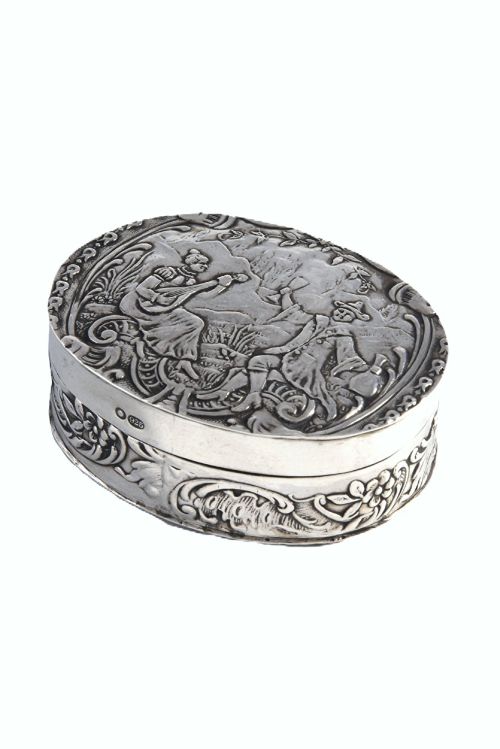
- A small container designed for storing rings, brooches and small personal items. These boxes often feature lined interiors and hinged lids mounted with decorative silver.
- Scent bottle
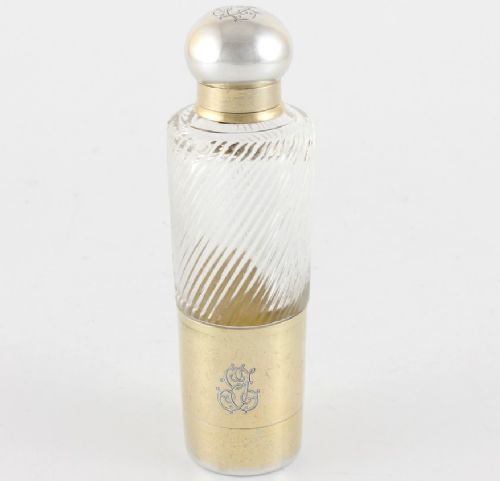
- A small vessel intended to hold perfume, fitted with a stopper and frequently enhanced with a silver collar or full exterior overlay. Many examples utilise cut or moulded glass.
Vintage Silver Vanity: Frequently Asked Questions
How do I clean vintage silver vanity items?
Use a soft microfibre cloth and a gentle, non-abrasive silver polish formulated to remove tarnish without stripping thin plating or damaging adjacent glass surfaces.
Avoid submerging pieces that contain organic elements like tortoiseshell, mother of pearl or velvet interiors, as moisture degrades adhesives and natural materials.
What is guilloché enamel?
Guilloché is a decorative technique where mechanical engraving cuts a precise, repeating pattern into a metal base before translucent enamel is applied over the top.
The underlying pattern shines through the coloured glass layer, creating a distinctive shimmering effect found frequently on Art Deco compacts and jar lids.
How can I date my vanity set?
Examine the piece for silver hallmarks, which typically include a leopard head or anchor for the assay office alongside a letter code indicating the exact year of assay.
Stylistic cues such as geometric Art Deco lines or floral Edwardian motifs also help narrow down the period of manufacture.
Were these items sold as complete sets?
Many dressing table accessories were originally purchased as matching ensembles known as vanity sets, which included brushes, hand mirrors, trays and scent jars.
Over time, individual components became separated, meaning many surviving pieces are now encountered as standalone objects.