

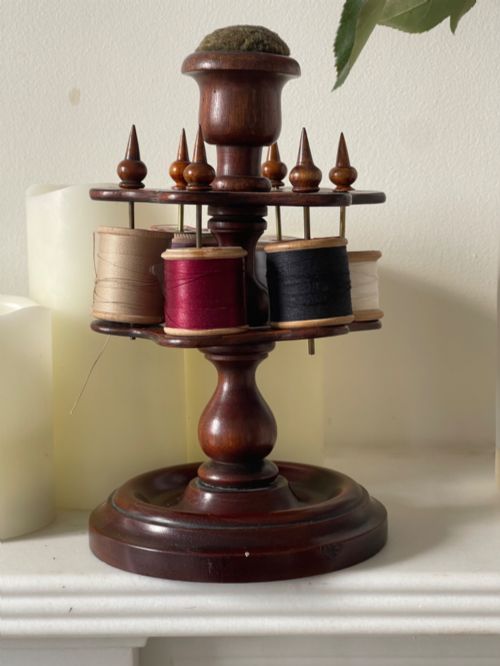
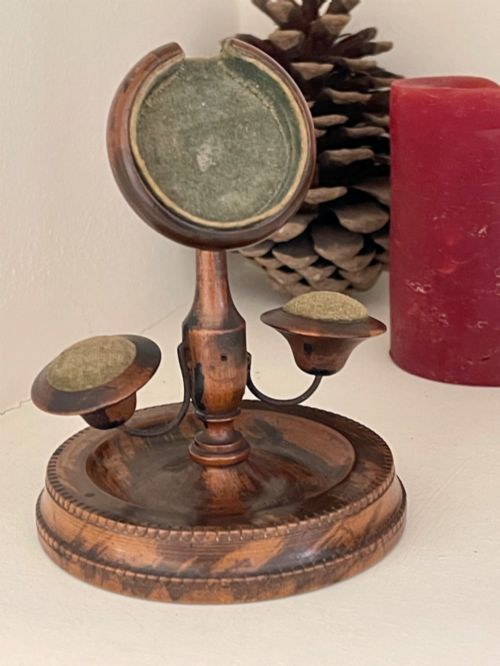
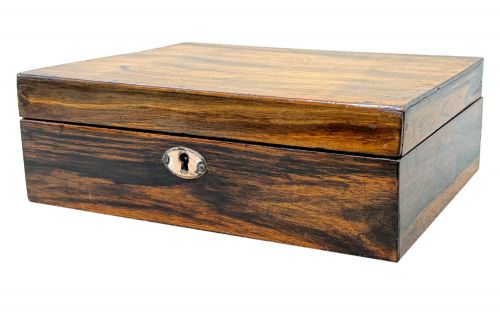
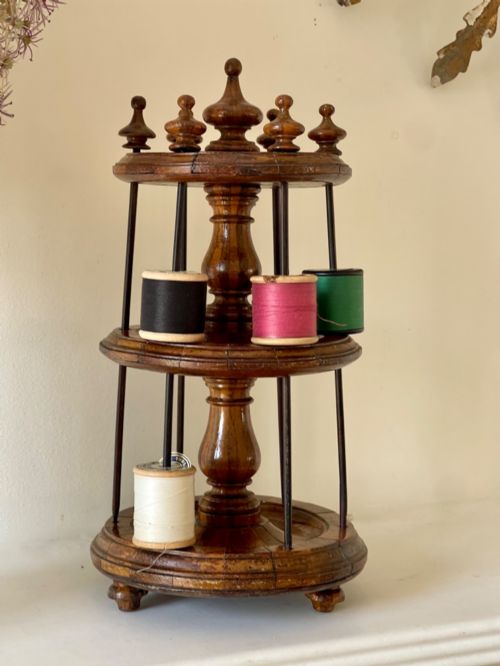


Victorian Sewing Caddy
These Victorian sewing caddy pieces are neat desktop and table boxes built to hold threads and needles.
Victorian Sewing Caddy
A victorian sewing caddy brings together portable work boxes and small tables designed for needlework and threads. You will most frequently meet rosewood boxes and larger sewing tables from the nineteenth century on this page.
The selection ranges from sarcophagus shaped receptacles to fitted work boxes and standing tables. These pieces reflect the domestic needlework habits of the nineteenth century.
Makers shaped these items using turned wood, brass and exotic timbers to house cotton reels and sewing implements. Each piece served a practical purpose in the Victorian parlour.
How they were made
Cabinet makers utilised dense timbers such as rosewood, walnut and coromandel wood for the primary structures. They combined these with brass fittings, bone details and mother-of-pearl inlay.
Some examples display intricate quill work, horn and ivory elements associated with Anglo-Indian production. Turned wood components and specialised bobbin stands formed the internal organisation for threads.
Victorian Sewing Caddy Retail Price Guide 2026
Typical asking prices for victorian sewing caddy among the pieces listed under this phrase on Sellingantiques today, from the lower quarter to the upper quarter. They describe what is for sale here now, not the wider market.
Listings feature nineteenth century periods with rosewood, walnut, brass and mother-of-pearl materials across various box and table forms.
What varies in quality
The selection of timber and the precision of the exterior inlay dictate the standard of each piece. Finer examples display carefully matched grain patterns and well-fitted internal compartments for sewing accessories.
The integrity of decorative elements such as mother-of-pearl inlay or brass mounts separates standard boxes from superior work. Construction methods in the joints and the condition of the turned wood components determine longevity.
The Victorian Sewing Caddy Glossary
- Sarcophagus shaped
- A box design featuring a domed or sloping lid resting on a rectangular base, reminiscent of classical funerary chests. This profile was popular for nineteenth century work boxes.
- Work box
- A portable container fitted with compartments for threads, needles and sewing tools. These boxes often featured lockable lids.
- Work table
- A standing piece of furniture incorporating a table top above a fabric bag or wooden compartment for needlework. They served as functional items in Victorian sitting rooms.
- Coromandel wood
- A dense, heavy timber with dark brown and black grain patterns imported from Asia. Cabinet makers prized it for luxury boxes.
Victorian Sewing Caddy: Frequently Asked Questions
What is a victorian sewing caddy?
A victorian sewing caddy is a box or table designed to hold sewing gear, threads and needles during the nineteenth century.
These pieces kept domestic needlework organised and portable within the home.
How were these boxes used?
Victorian households utilised these boxes and tables to store cotton reels, pins, bobbins and half-finished stitching projects.
They sat upon tables or stood independently in parlours where needlework took place.
What woods are common?
Makers frequently selected rosewood, walnut and coromandel wood for the construction of these decorative receptacles.
These dense timbers often featured brass mounts and inlay work.
How do I date a piece?
Dating relies on identifying timber choices, decorative styles such as French Restoration or Anglo-Indian, and structural construction.
Nineteenth century pieces often incorporate specific hardware like brass hinges and fitted internal trays.