

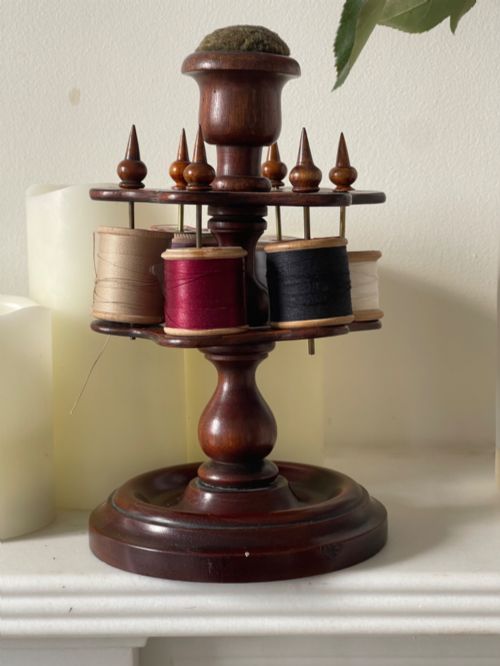
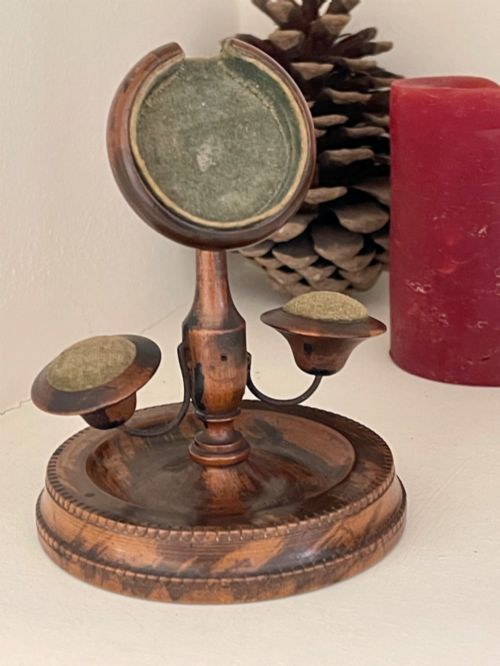
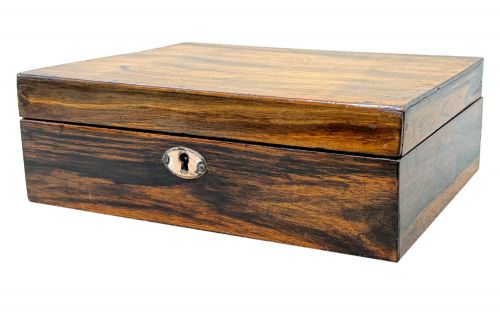
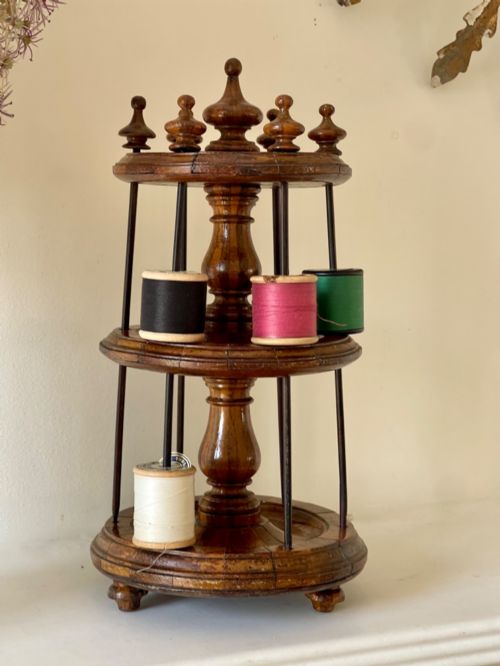


Wooden Sewing Caddy
These wooden sewing caddy pieces are practical nineteenth century containers designed to hold threads and needles, offering both utility and traditional craftsmanship.
Wooden Sewing Caddy
When searching for a wooden sewing caddy, buyers encounter a selection of nineteenth century boxes and caskets designed for needlework. These functional containers survive primarily from the Regency and Victorian periods.
The objects take various forms, including rectangular work boxes, sarcophagus shaped boxes, and sewing baskets. Some examples incorporate turned wood and occasional table designs alongside traditional storage boxes.
Origin details vary across the pieces, with French, Scottish, and English examples appearing in the current selection. Each piece reflects the domestic needlework habits of the nineteenth century.
Distinguishing quality
Quality in these pieces rests upon the selection of timber veneers and the precision of the cabinet work. Finer examples display carefully matched grain patterns and well-fitted internal compartments.
Decorative embellishments such as Tunbridge Ware decoration or detailed inlay separate standard utilitarian containers from more ambitious pieces produced for the drawing room.
Wooden Sewing Caddy Retail Price Guide 2026
Typical asking prices for wooden sewing caddy among the pieces listed under this phrase on Sellingantiques today, from the lower quarter to the upper quarter. They describe what is for sale here now, not the wider market.
Cotton reel stands managed stubborn threads before the invention of modern plastic spools.
The Wooden Sewing Caddy Glossary
- Sarcophagus shaped
- A box style featuring a stepped, domed lid resembling a classical tomb chest. This form was particularly popular during the Regency and Victorian eras for high-end work boxes.
- Tunbridge Ware
- A type of decorative woodwork characterised by intricate mosaic patterns made from tiny wood blocks. It creates detailed pictorial or geometric designs on box lids.
- Work box
- A portable container fitted with compartments for sewing implements, threads, and personal items. These boxes sat upon tables in nineteenth century parlours.
Wooden Sewing Caddy: Frequently Asked Questions
How do I date a sewing box?
Dating relies on timber choices, stylistic details, and construction methods. Pieces from the Regency period often feature lighter woods and classical proportions, while Victorian examples frequently utilise dark rosewood and ornate inlay.
Reference to specific eras like the nineteenth century or specific reigns helps narrow down the period of manufacture.
What woods were used?
Makers employed a variety of domestic and exotic timbers. Rosewood, walnut, coromandel, and birdseye maple appear frequently in these nineteenth century pieces.
Inlay work and contrasting edgings utilised satinwood and bone to create visual detail on the exterior surfaces.
Were these boxes used for sewing?
These containers were primary workspace accessories for nineteenth century needlework. They kept delicate threads, pins, and tools organised and protected from dust.
Many featured fitted internal trays and compartments specifically dimensioned for spools and needles.