





Antique Retail Stand
An antique retail stand brings authentic commercial character into a home, offering sturdy brass, mahogany, and glass fixtures built for bygone shops.
Antique Retail Stand
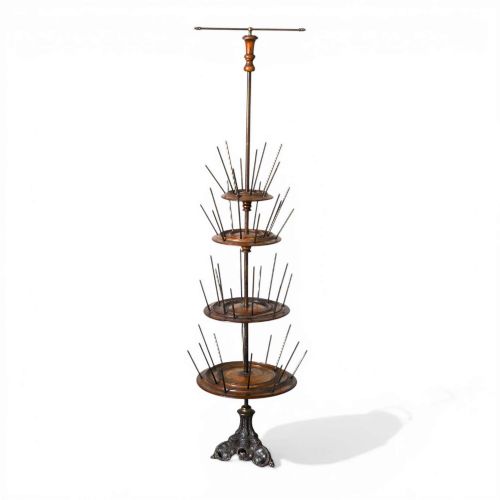
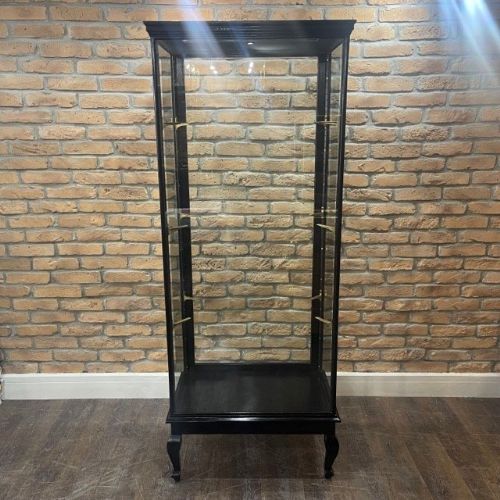
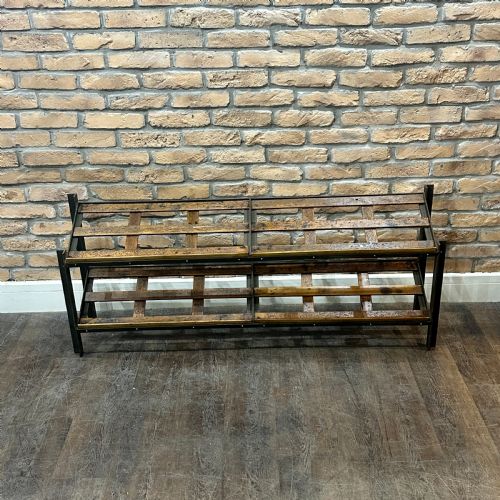
When you search for an antique retail stand, you encounter pieces designed for commerce, from Victorian shop display stands to 1930s bronze and oak shop display counters. These items serve to showcase merchandise, taking forms such as hat stands, display shelving, and glass cabinets.
The selections available range from sturdy cast iron draper's display stands to French oak tailors' shop display tables and delicate cotton reel display trees. Victorian pieces and 1920s commercial fixtures dominate the selection, bringing functional display space into domestic settings.
How they were made
Maker construction relies heavily on durable combinations of brass, cast iron, and timber such as mahogany and oak. Metal components provide structural integrity for countertop or freestanding use, whilst wood frames add traditional warmth.
Glazing and mirror work appear frequently in cabinets and dressing mirrors, utilising glass plates secured within wooden or bronze frameworks. Joinery and metal casting techniques ensure these commercial items endured heavy daily retail use.
Antique Retail Stand Retail Price Guide 2026
Typical asking prices for retail stand among the pieces listed under this phrase on Sellingantiques today, from the lower quarter to the upper quarter. They describe what is for sale here now, not the wider market.
Periods represented include the Regency era, Victorian times, and early twentieth-century decades up to the 1930s.
What varies in quality
Quality rests in the integrity of the materials, separating simple utility pieces from finer items featuring detailed brass work or select mahogany and golden oak veneers. Robust construction in the iron frames and cabinetry marks the higher end of the range.
Provenance and originality dictate the standing of a piece, with retail stands bearing maker details or retail attribution holding distinct interest. The integration of original glass, fabric linings, and unaltered metal finishes preserves the authentic commercial character.
Harrods·Siegel
The Antique Retail Stand Glossary
- Shop Fitting
- Fixtures and furniture originally manufactured for commercial retail interiors. These items are built for robust daily operation.
- Cheval Mirror
- A freestanding full-length mirror hung in a frame that allows it to tilt. They often appear in dressing arrangements and retail spaces.
- Countertop Stand
- A smaller display fixture designed to sit atop a shop counter or cabinet. These units highlight specific smaller merchandise.
- Display Cabinet
- An enclosed glazed piece of furniture used to exhibit and protect items. They utilise glass panels and shelving for visibility.
Antique Retail Stand: Frequently Asked Questions
How were retail stands used originally?
Shops utilised these stands to organise and exhibit merchandise such as hats, cotton reels, and garments to browsing customers. They served both practical storage and visual marketing functions within the retail space.
Over time, these fixtures adapted to various trades, from drapery and tailoring to jewellery and general commerce, ensuring goods were held at accessible heights.
Where can I place a retail stand at home?
Countertop stands and shelving units sit well on existing sideboards or tables to display collections. Freestanding cabinets and tables function effectively in living areas or hallways for storage and display.
Hat stands and smaller display trees fit neatly in entrance halls or bedrooms, offering functional display space without occupying excessive floor area.
How do I identify a Victorian shop stand?
Victorian pieces frequently employ cast iron, heavy brass, and timbers like oak or mahogany with traditional joinery. They often feature utilitarian detailing suited to late nineteenth-century commercial environments.
Examining the wear patterns, metal casting style, and structural fastenings helps distinguish these earlier pieces from subsequent twentieth-century reproductions.
What materials are common in these stands?
Common materials include structural metals such as brass, cast iron, steel, and bronze. These provide the necessary strength for commercial display fixtures.
Timbers like mahogany, oak, and ebonised wood appear alongside glass and occasional fabric elements, creating varied aesthetic finishes across different periods.