

Cast Iron Table
A cast iron table brings industrial strength and enduring elegance to any room, offering a sturdy surface grounded in robust metalwork.
Cast Iron Table
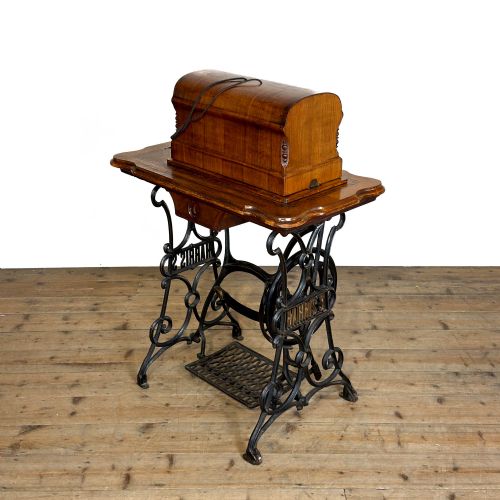
When you search for a cast iron table, you encounter heavy, durable furniture designed for both interior and exterior use. The listings on this page span the nineteenth century through the early twentieth century, encompassing Victorian, Edwardian, and industrial aesthetics.
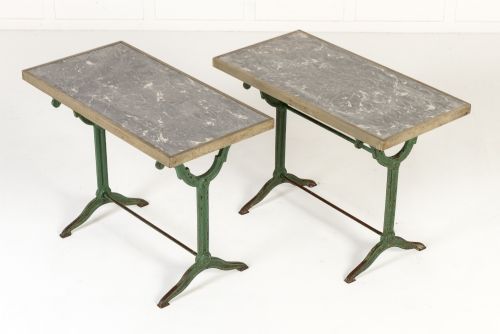
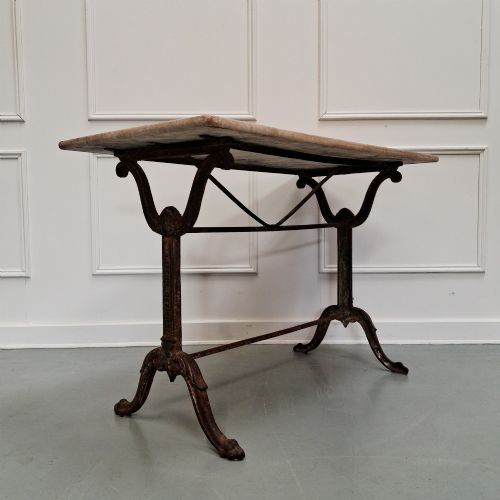
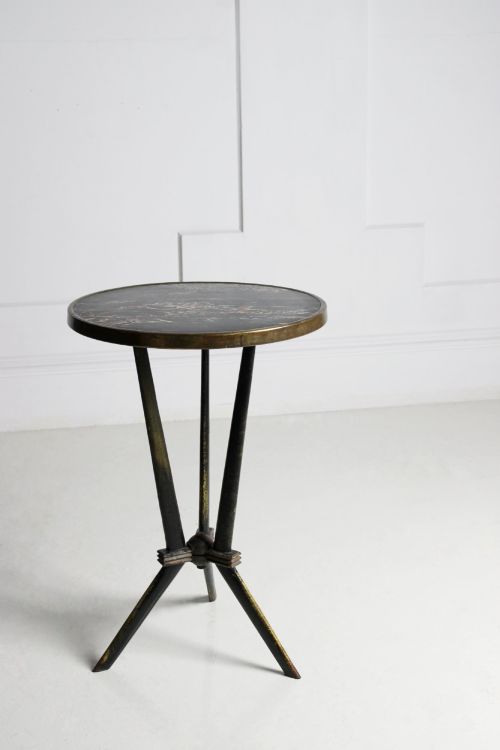
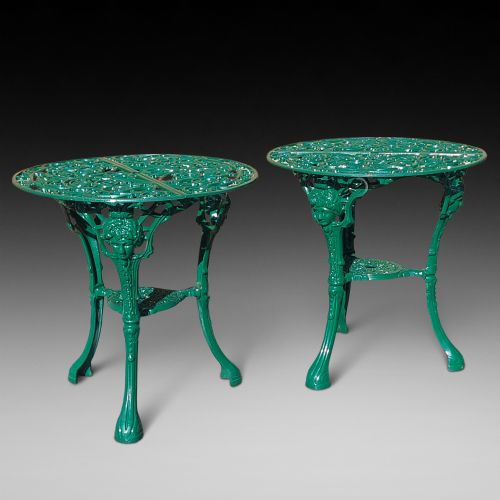
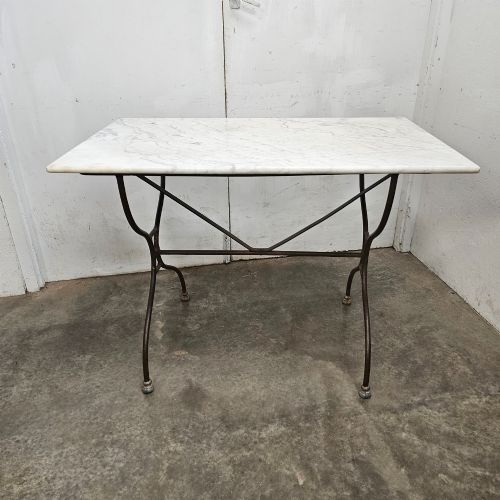
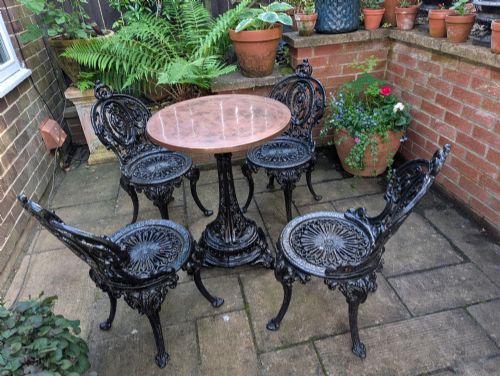
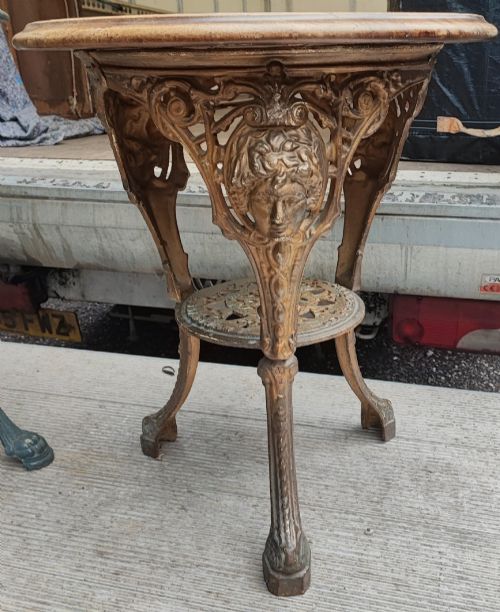
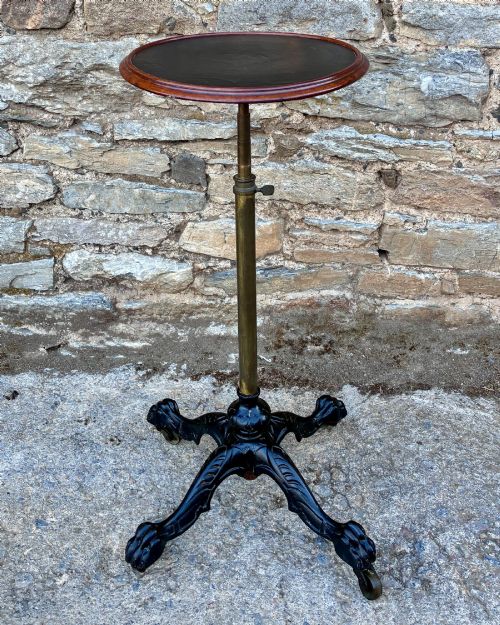
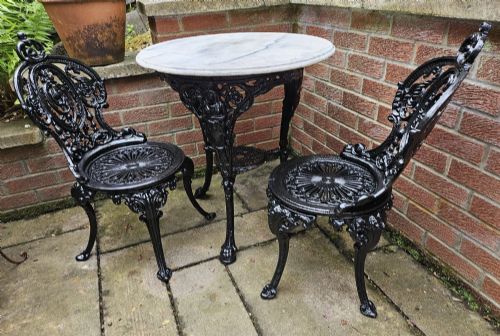
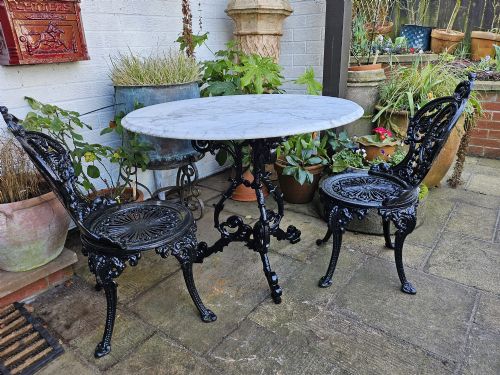
You are most likely to meet French bistro tables featuring marble tops alongside British pub tables resting on ornate iron bases. Forms range from compact garden sets and console tables to adjustable display stands and occasional pieces.
The enduring appeal of these items lies in their versatile utility and architectural presence. They transition easily from conservatory dining spaces to hallway display areas.
Construction and materials
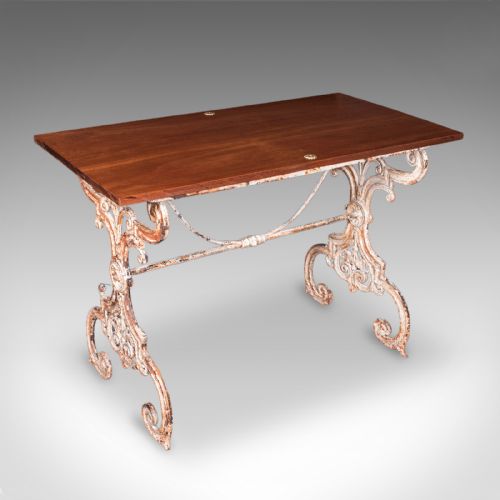
The foundation of every piece relies on durable cast iron, shaped in foundry moulds to create intricate scrollwork, tripod legs, or sturdy industrial bases. These metal supports are frequently paired with contrasting surface materials such as white marble, polished granite, mahogany, oak, or elm.
Surface treatments vary from original painted finishes to exposed polished metal, while timber tops display traditional joinery and brass accents appear on specific decorative elements.
Cast Iron Table Retail Price Guide 2026
Typical asking prices for cast iron table among the pieces listed under this phrase on Sellingantiques today, from the lower quarter to the upper quarter. They describe what is for sale here now, not the wider market.
Listings feature nineteenth-century and early twentieth-century examples combining cast iron with marble, mahogany, oak, and brass.
Evaluating quality and execution
Quality in these pieces is determined by the crispness of the casting detail and the integrity of the original components. Finer examples display sharp relief in the ironwork without the softening often seen in later copies.
The relationship between the base and the top dictates overall balance and authenticity. Pieces retaining their original stone, wood, or glass surfaces command greater appreciation among collectors than those with later replacements.
Christopher Dresser·Archibald Knox
The Cast Iron Table Glossary
- Bistro table
- A small café table typically designed with a heavy iron base and a round marble or wooden top. These were popular in French establishments and nineteenth-century gardens.
- Pub table
- A sturdy commercial-height table featuring a heavy cast iron pedestal base designed to resist tipping in public houses. They often support durable mahogany or oak tops.
- Console table
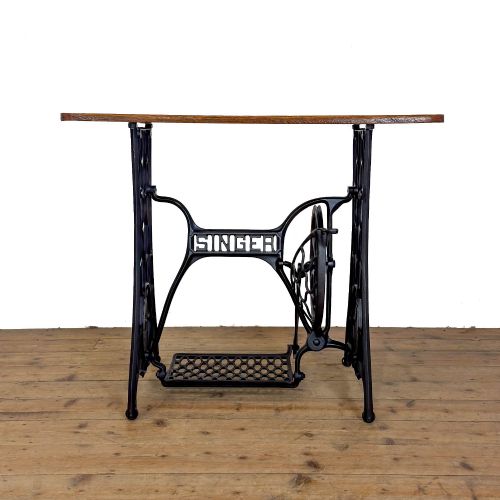
- A long, narrow table placed against a wall, frequently utilising repurposed industrial machine bases beneath marble or timber surfaces.
- Spandrel
- The triangular space between the legs and the tabletop frame, often filled with decorative cast iron scrollwork or bracing for added structural support.
- Patina
- The surface sheen and ageing acquired by metal and wood through years of use and exposure. A desirable patina confirms the genuine history of the piece.
Cast Iron Table: Frequently Asked Questions
Are cast iron tables suitable for outdoor use?
These pieces handle outdoor environments well due to the inherent weather resistance of the metal. Garden tables and bistro sets naturally suit patios and conservatories.
Protective maintenance prevents surface rust on older ironwork during wetter months. Many historical examples spent decades outdoors and remain structurally sound.
How do I care for a marble top?
Marble surfaces require gentle cleaning with mild soap and warm water rather than harsh acidic solutions. Wiping spills promptly protects the polished stone from etching.
Applying a specialist stone sealer periodically preserves the finish against stains. This keeps the natural veining clear and bright over years of daily use.
Can I date a table by its base?
Foundry marks, registration numbers, and specific casting styles help determine the manufacturing period. Victorian designs often feature elaborate botanical or geometric openwork patterns.
Later Edwardian and industrial examples lean towards simpler lines or repurposed machine bases. Comparing the bolt fixings and construction methods confirms the era.
How do I integrate an industrial table indoors?
An industrial metal base paired with reclaimed wood or marble creates a striking contrast in modern and traditional interiors. Console tables fit narrow hallways while side chairs complete dining arrangements.
The neutral tones of cast iron complement exposed brickwork, timber flooring, and soft textiles alike. Their slim profiles make them practical for smaller rooms.