




French Art Nouveau Table
When you search for a french art nouveau table, you are looking at organic fluid forms and floral motifs designed for practical domestic surfaces.
French Art Nouveau Table
A french art nouveau table encompasses occasional pieces, side tables, and coffee tables produced during the late nineteenth and early twentieth centuries. These works demonstrate the characteristic flowing lines and naturalistic details associated with the movement.
Origins trace back to periods spanning the late 1800s through the 1920s, capturing both the height of the Continental design movement and subsequent Edwardian interpretations. Buyers encounter forms ranging from carved wooden occasional tables to metal and glass iterations.
Materials and Techniques
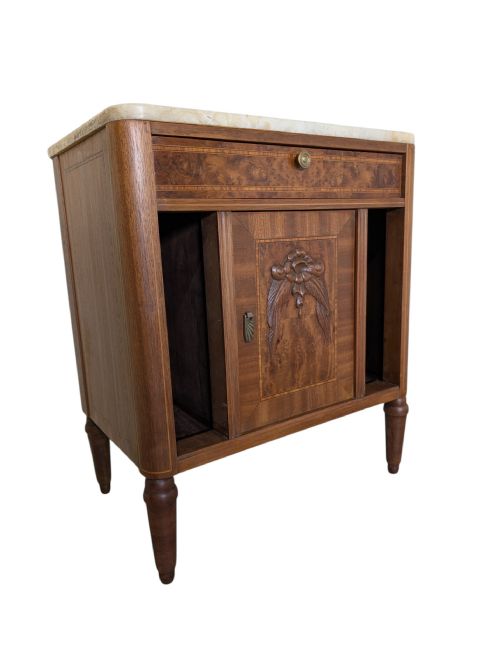
Cabinet makers utilised dense hardwoods such as mahogany, walnut, rosewood, and oak, employing carving and bending techniques to achieve undulating silhouettes. Marble inserts frequently topped these wooden frames, providing both durability and a finished surface.
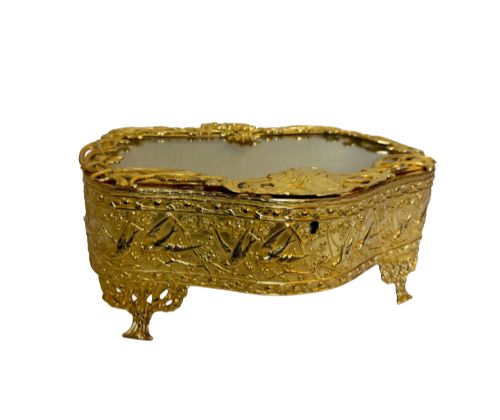
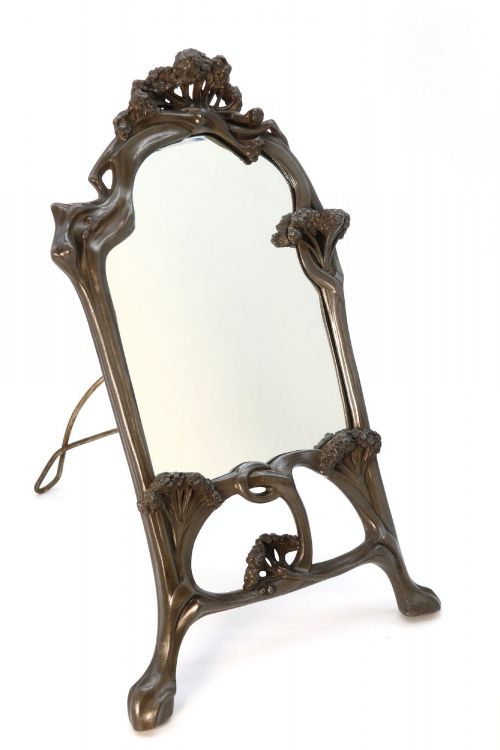
Metalwork played a central role, utilising bronze, brass, spelter, iron, and pewter for structural supports, frames, and decorative mounts. Artisans cast these metals into plant stems, floral tendrils, and figurative motifs.
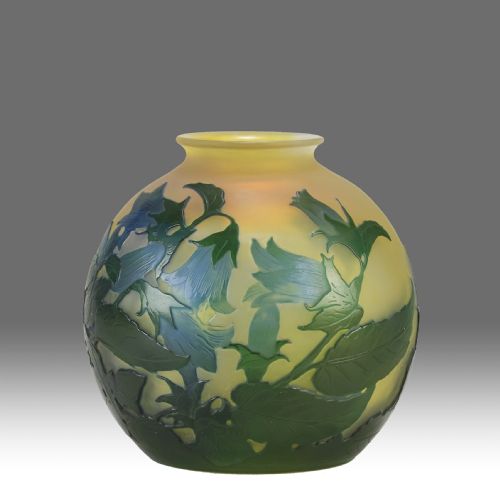
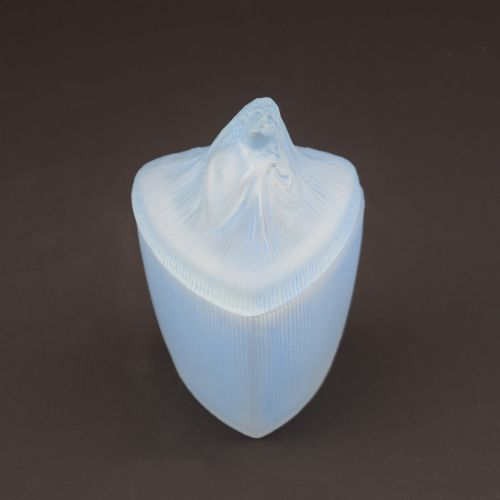
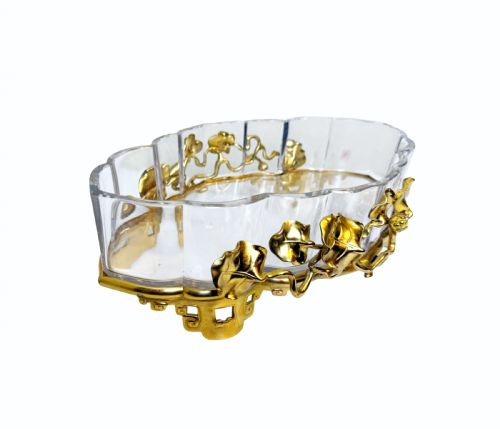
Glass elements, including frosted, cameo, and crystal variants, integrated directly into the design language, whether as surface insets or associated lighting fixtures placed upon the furniture.
Listings feature items spanning the 1880s to the 1920s, utilising mahogany, rosewood, walnut, oak, bronze, brass, iron, and marble.
Judging Quality
Quality rests upon the crispness of the carving in wood and the definition achieved in metal castings. Superior examples display hand-finished details where floral and botanical motifs merge seamlessly into the structural lines of the piece rather than appearing as applied ornamentation.
The choice and integration of materials dictate the tier of the piece. Combining fine woods like rosewood or mahogany with genuine marble tops and cast bronze mounts separates higher workshop productions from simpler domestic items utilising spelter or oak.
Proportion and structural integrity define the remaining distinction between standard items and exceptional survivals. The best examples maintain balanced organic curves without compromising the daily utility of the surface.
Emile Gallé·L & F Moreau·Rene Lalique·Louis Auguste Moreau·Georges Leleu·Daum·St Louis glassworks·Hector Lemaire·Emmanuel Villanis·Henri Honore Ple·Charles Schneider
The French Art Nouveau Table Glossary
- Art Nouveau
- An international style of art, architecture, and applied art characterised by sinuous lines and motifs inspired by nature. It flourished between 1890 and 1910.
- Spelter
- An alloy of zinc and lead used as a cost-effective alternative to bronze for casting figures and decorative mounts. It often received a bronze-like surface finish.
- Cameo glass
- A luxury glass art technique in which multiple layers of coloured glass are etched or carved away to create a raised design. It is frequently associated with turn-of-the-century glassmakers.
- Ormolu
- Gilded bronze produced by applying a finely ground high-carat gold-mercury amalgam to an object of bronze. The technique creates a rich golden finish on decorative mounts.
- Aesthetic Movement
- A late nineteenth-century British and French art movement that promoted art for art's sake, emphasising decorative qualities over narrative content.
French Art Nouveau Table: Frequently Asked Questions
What defines a french art nouveau table?
These tables are defined by their organic lines, asymmetrical curves, and decorative references to plant life and natural forms. They utilise materials characteristic of the turn of the twentieth century.
Craftsmen combined carved hardwoods and metals with decorative tops, ensuring the furniture remained practical for domestic interiors while expressing avant-garde design principles.
How do I care for antique wood and marble?
Polishing should be kept to a minimum using traditional wax applied sparingly to the wood surfaces. Avoid modern silicone sprays that can penetrate and damage historic finishes.
Marble tops require simple wiping with a damp cloth and mild soap to prevent staining. Acidic liquids should be kept away from polished stone surfaces entirely.
Are these tables suitable for daily use?
Most occasional tables, side tables, and cabinets remain sturdy enough for everyday placement in modern rooms. Their original function as domestic surfaces translates well to contemporary living spaces.
Care should be taken with delicate inlays, glass components, and patinated metal mounts to preserve the historic condition of the piece during routine handling.
How can I tell the period?
Dating relies on observing construction methods, material choices, and stylistic markers characteristic of the late nineteenth and early twentieth centuries. Pieces often reflect the manufacturing standards of their specific decade.
Signatures, foundry marks, and specific cabinet-making techniques help narrow the production window between the 1880s and the 1920s.