


Edwardian Art Nouveau Table
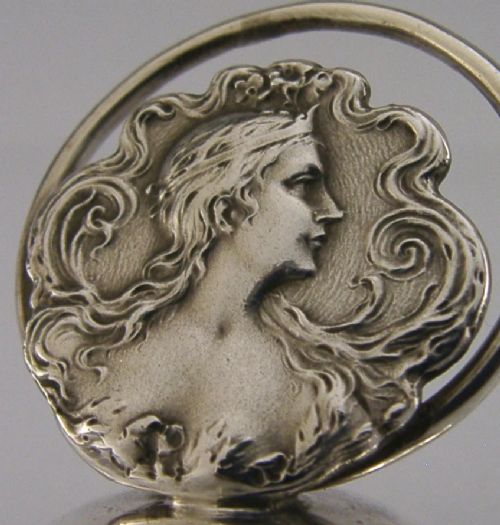
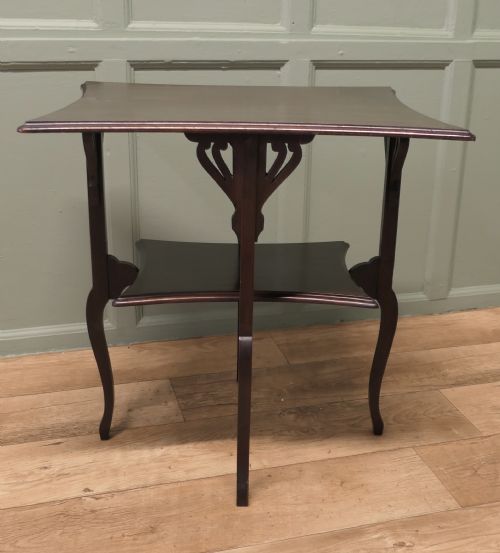
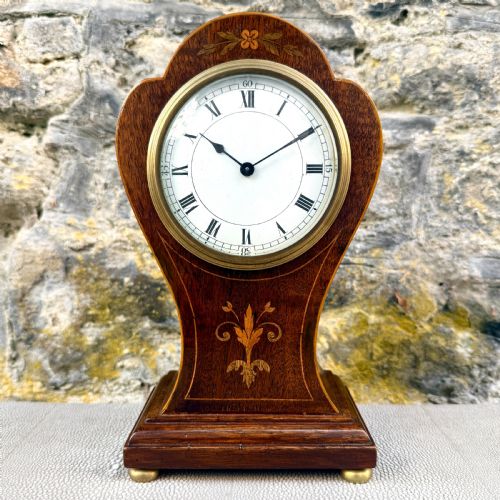
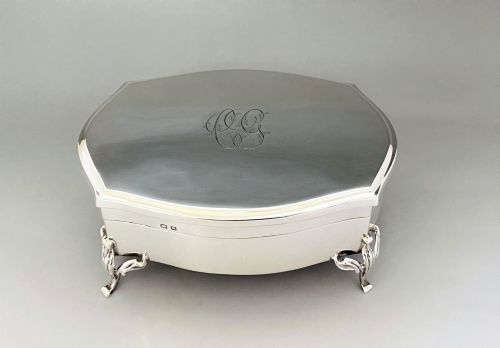
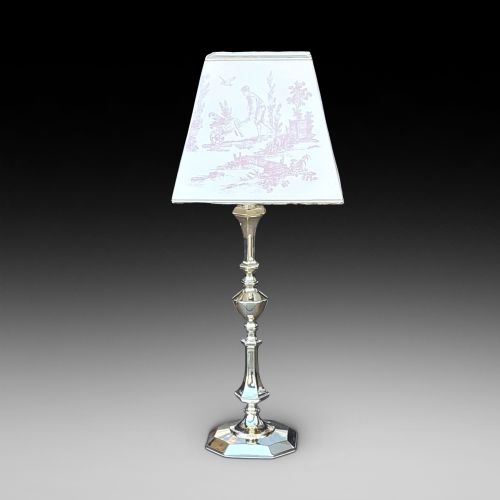
These pieces combine Edwardian and Art Nouveau design on timber and metal surfaces, bringing flowing lines and natural motifs into domestic spaces.
Edwardian Art Nouveau Table
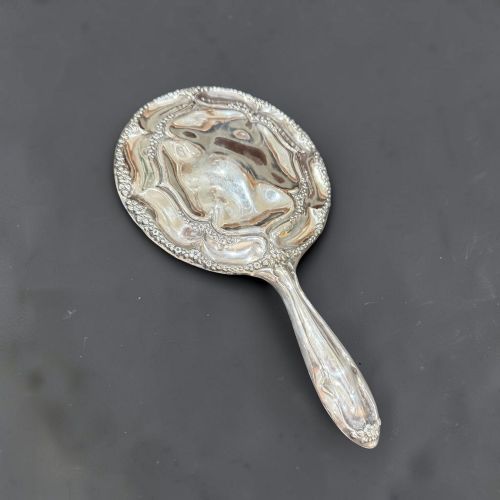
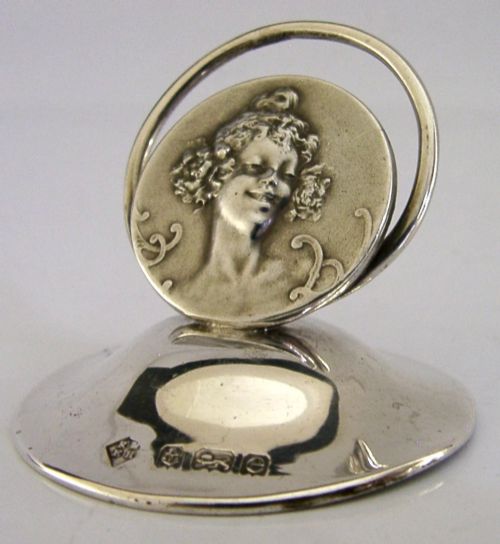
When you search for an edwardian art nouveau table, you encounter occasional furniture, side pieces, and smaller lamps designed around the turn of the twentieth century. These items appear alongside related forms like mantel clocks, mirrors, and small silver wares sharing the same aesthetic vocabulary.
The material record spans mahogany and oak tables alongside brass and silver objects from the Edwardian period, 1900, and 1910. Side tables, occasional pieces, and lamp stands dominate this category, often incorporating inlaid details or stylized floral elements into their construction.
Materials and Technique
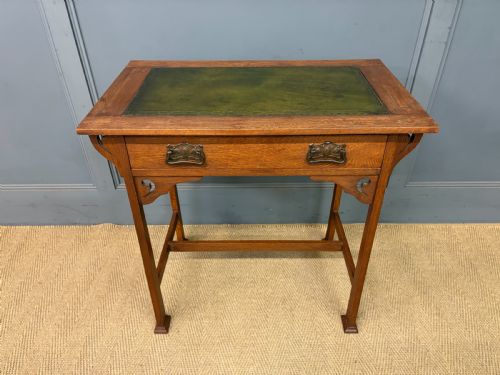
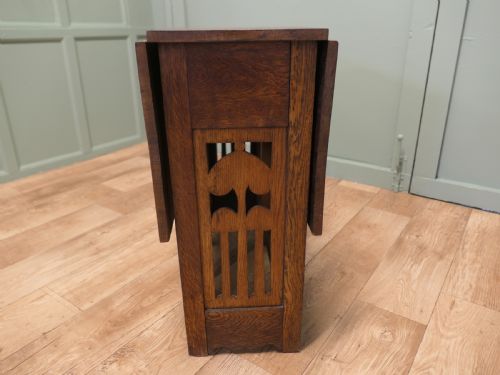
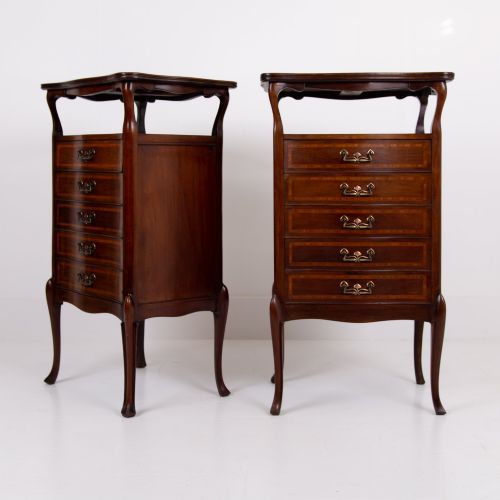
Cabinet makers utilised solid and veneered timbers such as mahogany and oak, frequently shaping the wood with gentle curves characteristic of the period. Inlaid decoration appears across table surfaces, integrating contrasting woods or metal elements into the design.
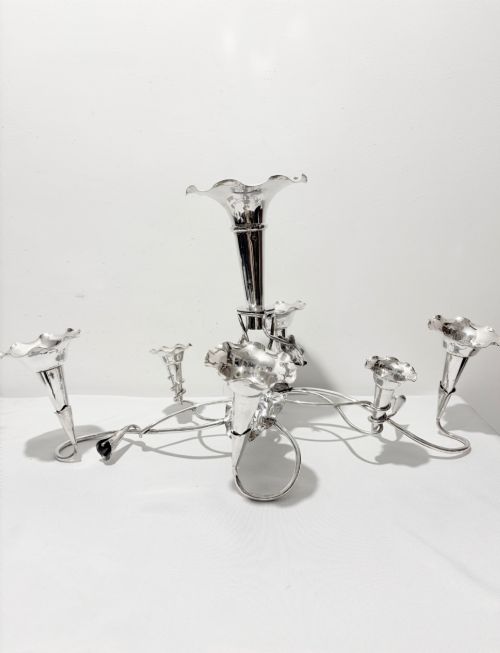
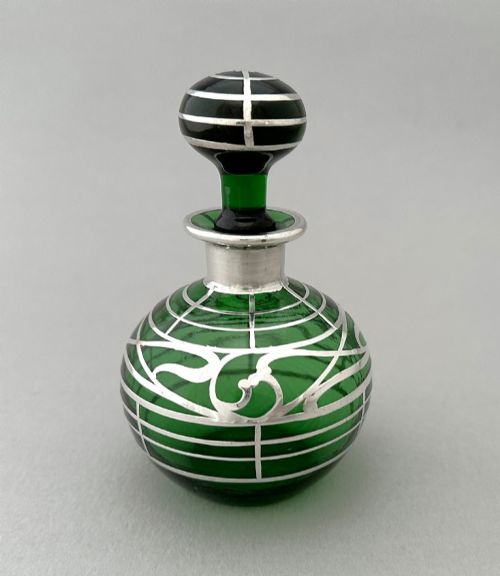
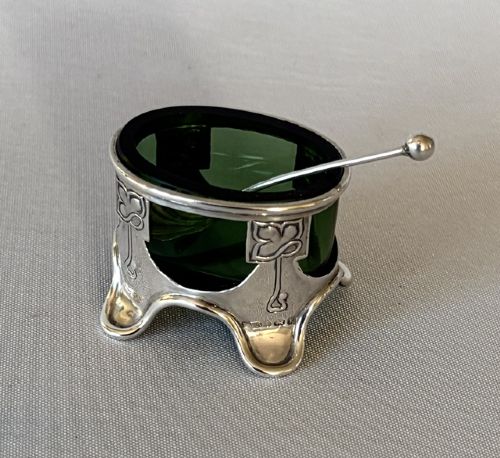
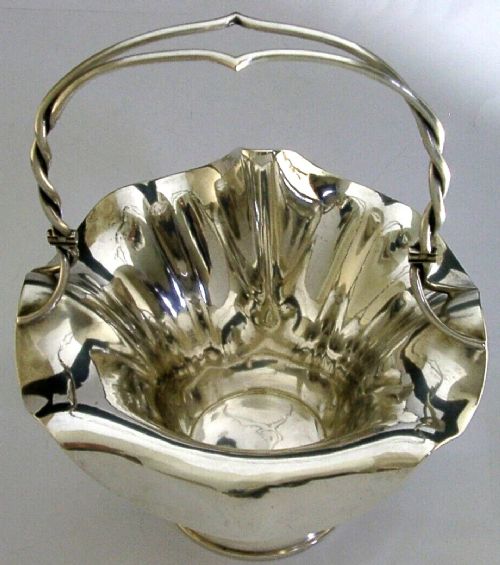
Metalworkers employed brass, pewter, and sterling silver, casting and hammering components into whiplash lines and stylized botanical shapes. Glass and enamel inserts often complement these metallic frames, particularly in lamps, clocks, and smaller desk articles.
Edwardian Art Nouveau Table Retail Price Guide 2026
Typical asking prices for edwardian art nouveau table among the pieces listed under this phrase on Sellingantiques today, from the lower quarter to the upper quarter. They describe what is for sale here now, not the wider market.
Listings feature oak and mahogany tables alongside brass, pewter, and sterling silver items from the 1890 to 1920 periods.
Distinctions in Execution
The degree of hand-finishing in metalwork and woodwork dictates the distinction between standard production and exceptional examples. Crisp casting in brass or pewter and precise joinery in mahogany or oak indicate careful workshop execution.
Design integration separates utilitarian items from cohesive artistic statements, where every curve of the timber or sweep of the metal reflects unified stylistic intent. The presence of specific maker stamps or hallmarked silver further distinguishes pieces originating from prominent workshops.
Bulstrode Cambridge·Archibald Knox for Liberty and Co·WMF·Georg Adam Scheid·Georges Leleu·David Veasey for Liberty and Co·William Hutton
The Edwardian Art Nouveau Table Glossary
- Art Nouveau
- A decorative style characterised by flowing, organic lines and asymmetric plant-inspired motifs. This aesthetic dominated design from the late nineteenth century until the First World War.
- Edwardian
- Pertaining to the reign of King Edward VII, spanning the years from 1901 to 1910. Furniture from this era often lighter in scale than preceding Victorian designs.
- Tudric
- A brand name used by Liberty and Co for their range of pewter ware produced during the early twentieth century. Many pieces in this line feature enamel cabochons and stylized botanical decoration.
- Jugendstil
- The German variant of the Art Nouveau movement, named after the Munich art magazine Die Jugend. This continental style shares the organic forms and linear rhythms seen in British work.
- Occasional Table
- A small, movable table designed for specific, intermittent use rather than central dining purposes. These items served as display surfaces or stands for lamps and decorative objects.
Edwardian Art Nouveau Table: Frequently Asked Questions
What defines an edwardian art nouveau table?
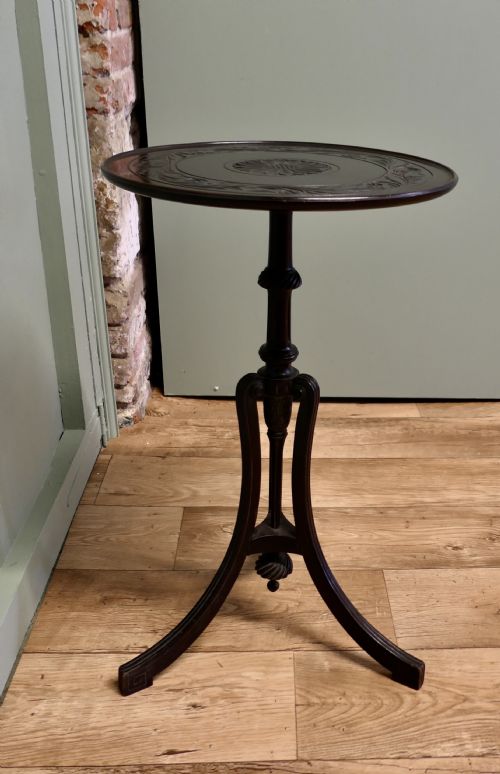
These pieces combine the sturdy construction methods of the early twentieth century with the flowing, organic lines characteristic of the Art Nouveau movement. They typically appear in mahogany or oak, occasionally featuring inlaid surfaces or shaped supports.
Makers working in this idiom drew inspiration from natural forms, translating plant stems and floral shapes into the wooden framework of small tables and stands.
How do I care for wooden surfaces?
Maintain timber surfaces by keeping them away from direct heat sources and strong sunlight, which can dry out the wood and fade polished finishes. Regular dusting with a soft cloth preserves the polish without building up residue.
Avoid using silicone-based polishes, opting instead for traditional beeswax applied sparingly and buffed gently to maintain the natural sheen of the mahogany or oak.
Where were these pieces used originally?
In period homes, small tables and decorative objects served designated functions in drawing rooms, hallways, and bedrooms. Occasional tables held lamps, reading materials, or small decorative items near seating areas.
Their relatively compact scale allowed them to be repositioned easily within a room as daily domestic requirements changed.
How do I identify the period?
Examination of construction techniques, timber choice, and decorative motifs helps establish the age of a piece. Edwardian items often display lighter proportions than heavy Victorian predecessors while retaining solid construction.
Birmingham or Sheffield silver hallmarks, maker stamps on pewter, and distinctive stylistic traits like whiplash curves provide reliable chronological indicators.