




Vintage French Patio Table
A vintage french patio table brings enduring continental character to a garden or terrace.
Vintage French Patio Table
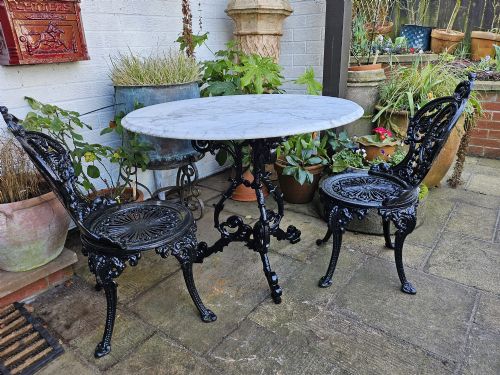
A vintage french patio table brings practical outdoor utility and distinct continental style to gardens, terraces, and interior spaces. These pieces encompass garden dining sets, bistro tables, side tables, and console tables designed for exterior or semi-covered use.
The selections available here span from the late nineteenth century into the 1930s, incorporating Victorian examples alongside French provincial, bistro, and industrial designs. Buyers will frequently encounter round café tables, folding pieces, and complete sets accompanied by matching chairs.
Origins stretch across French country, chateau, and bistro traditions, alongside related continental pieces. Forms range from compact three-legged gueridon designs to larger dining surfaces suited for regular outdoor gatherings.
Materials and construction
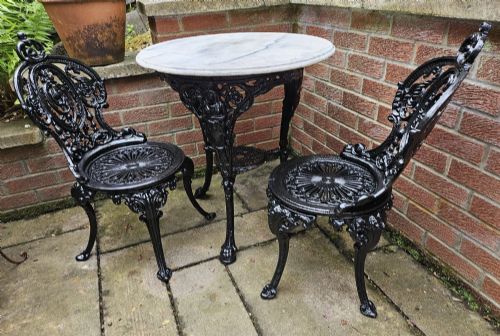
Construction relies heavily on durable metals including cast iron, wrought iron, steel, and wirework, often paired with contrasting timber, zinc, brass, copper, or marble tops. These resilient materials allowed tables to withstand year-round exposure to the elements.
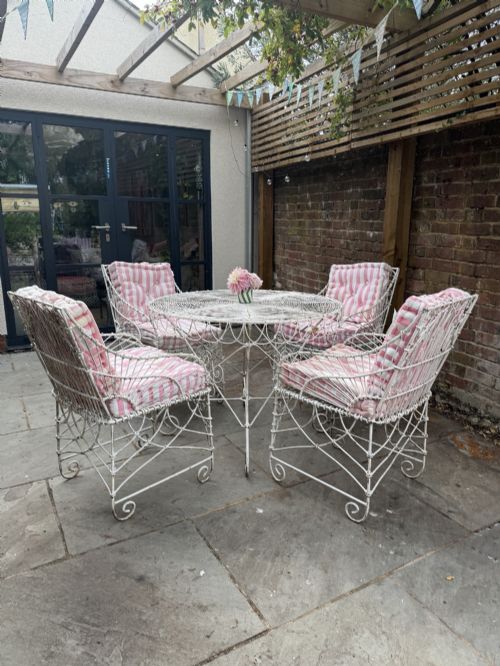
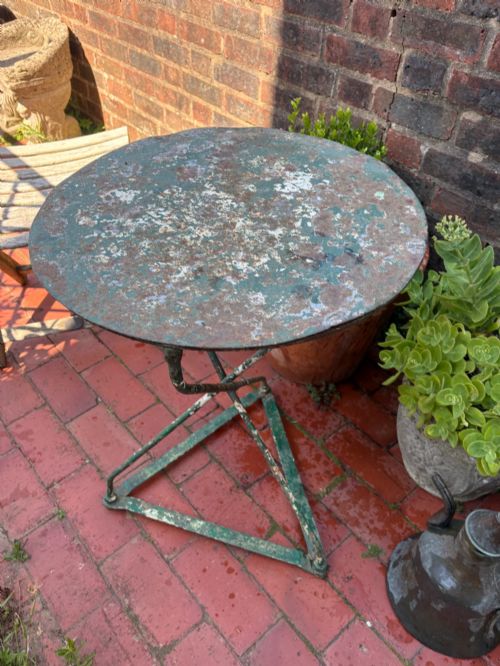
Surface treatments such as original or weathered paint finishes protect the underlying metal and wood while recording decades of weathering. Specialised techniques like strapp work and wirework structural framing demonstrate the diverse craftsmanship of period makers.
Listings feature pieces spanning from the 1880s through the 1930s, utilising cast iron, wrought iron, marble, and wood.
Assessing quality and character
Quality reveals itself in the substantial weight of cast iron bases, the precision of wirework or strapp work assembly, and the integrity of fitted marble or zinc tops. Superior examples maintain structural stability without excessive corrosion or replaced primary components.
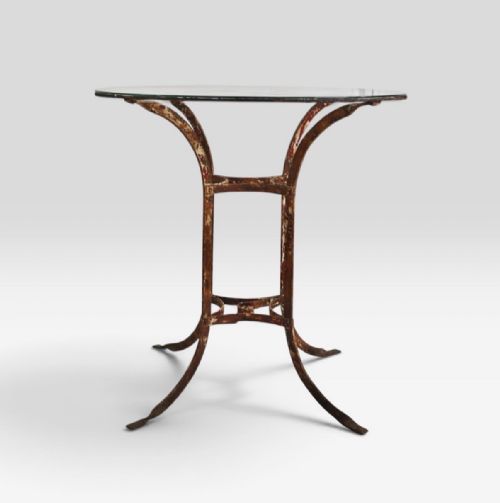
The character of the surface finish plays a significant part in the appeal, where undisturbed historic paint layers or patinated metals distinguish better-preserved specimens from heavily restored alternatives.
The Vintage French Patio Table Glossary
- Gueridon
- A small round occasional table supported by a central pillar or tripod base. These forms frequently appear in nineteenth-century French bistro and salon settings.
- Strapp work
- Metalwork construction utilising flat metal strips riveted or joined in decorative patterns. This technique provides both structural rigidity and visual interest.
- Wirework
- Construction formed from interwoven or welded metal wire. Victorian makers applied this method to create lightweight yet durable garden furniture.
- Bistro table
- A small café table designed for commercial hospitality use. They typically feature a heavy metal base to prevent tipping and a compact top.
Vintage French Patio Table: Frequently Asked Questions
How do I protect my table outside?
Most vintage french patio table designs tolerate outdoor conditions well due to their robust metal construction. However, protecting marble tops and wooden elements during harsh winter months prolongs their lifespan.
Applying appropriate protective treatments to painted iron surfaces helps prevent excessive rust accumulation while preserving the historic finish.
Are these tables suitable for indoor use?
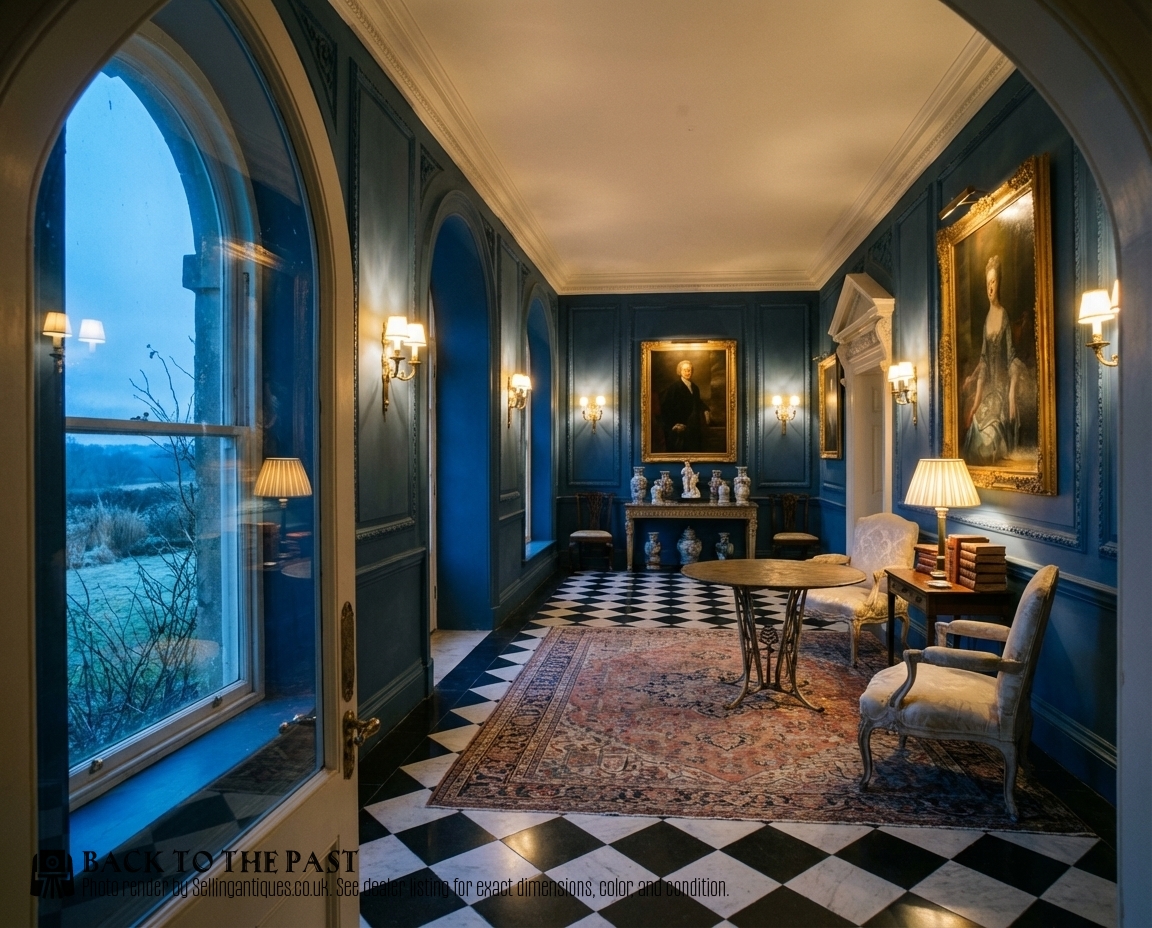
These pieces integrate smoothly into interior kitchens, conservatories, and dining rooms. Their compact proportions and contrasting materials make them effective accent furniture.
Pairing a marble-topped or zinc-topped table with contemporary seating creates a striking contrast within domestic living spaces.
How do I identify the period?
Dating relies on observing construction methods, material choices, and stylistic markers such as Victorian wirework or Art Deco influences. Nineteenth-century examples often display heavier cast iron components and simpler forms.
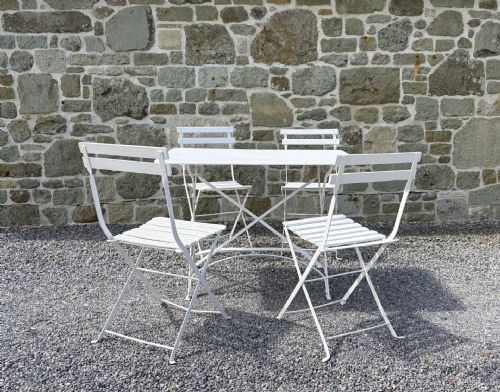
Twentieth-century pieces frequently introduce folding mechanisms or alternative metals like steel and brass alongside traditional wrought iron.
Can I leave marble tops outdoors?
Marble surfaces require careful consideration when exposed to freezing temperatures and moisture. Water penetration can cause cracking if moisture trapped within the stone freezes.
Storing marble-topped tables under cover during winter prevents weather damage while maintaining the stone's polished appearance.