
Edwardian Arts Crafts Table
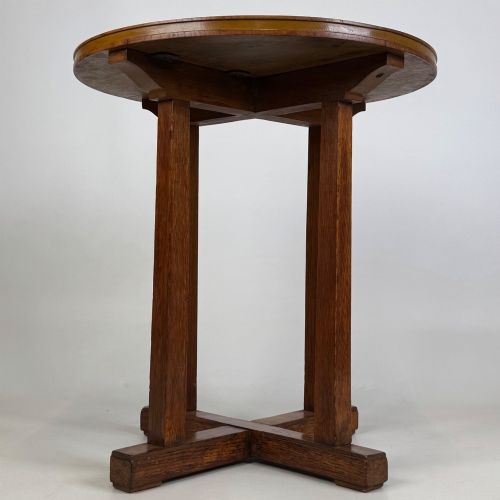
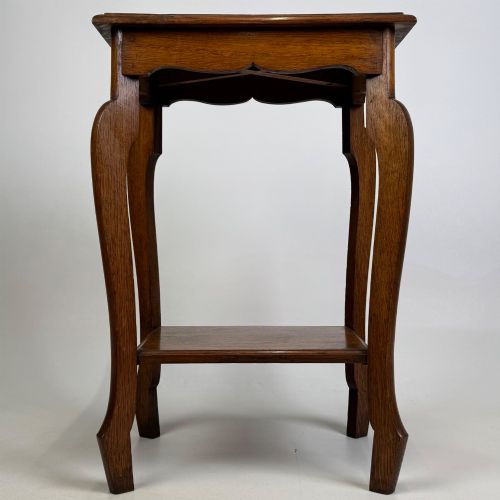
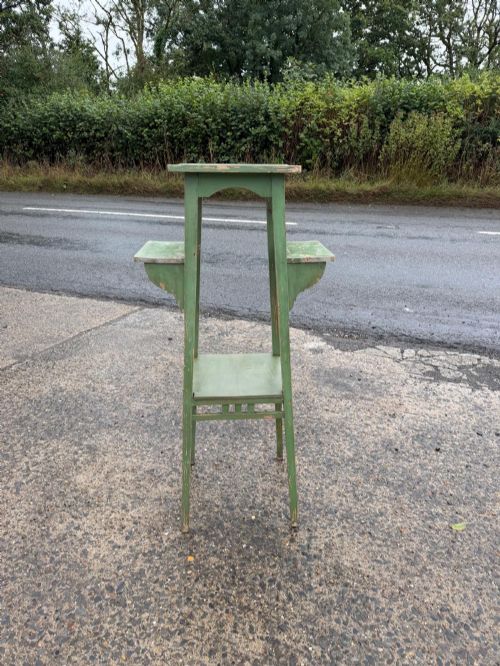
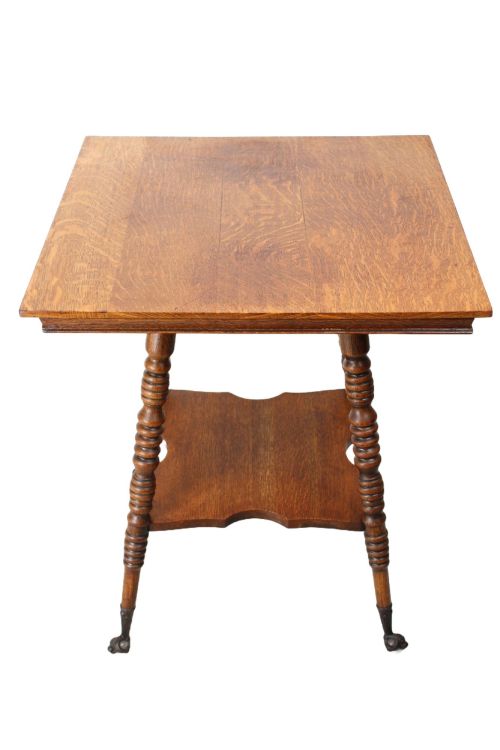
When you search for an edwardian arts crafts table, you find sturdy oak occasional pieces, plant stands, and writing desks shaped by simple structural honesty.
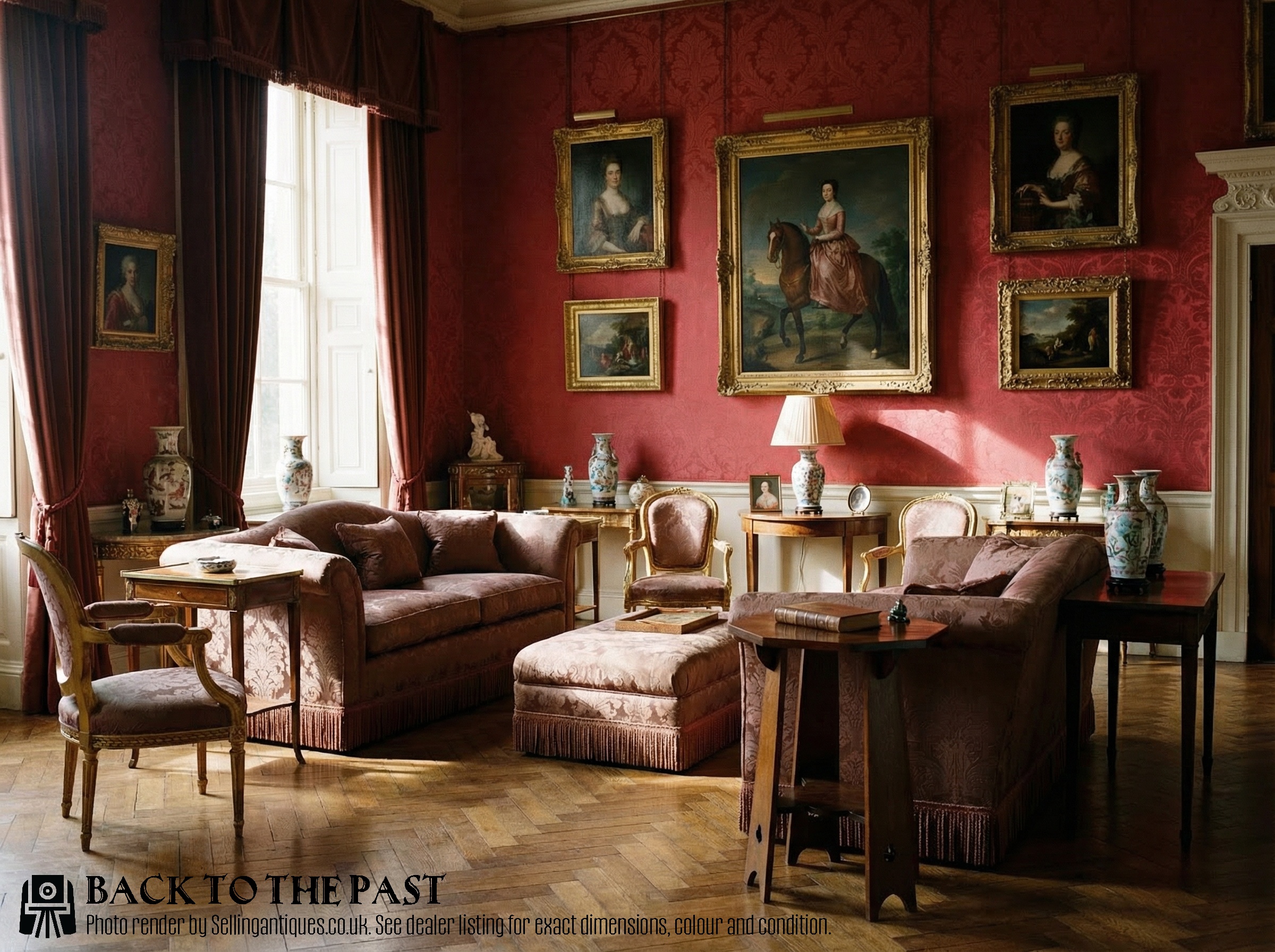
Edwardian Arts Crafts Table
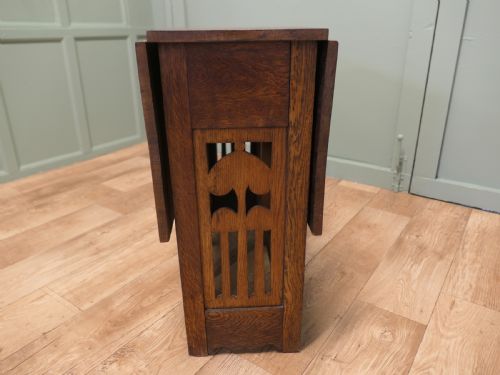
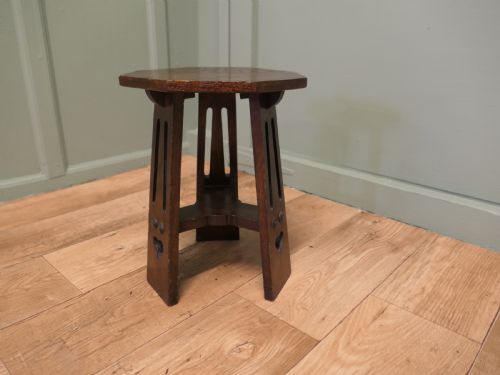
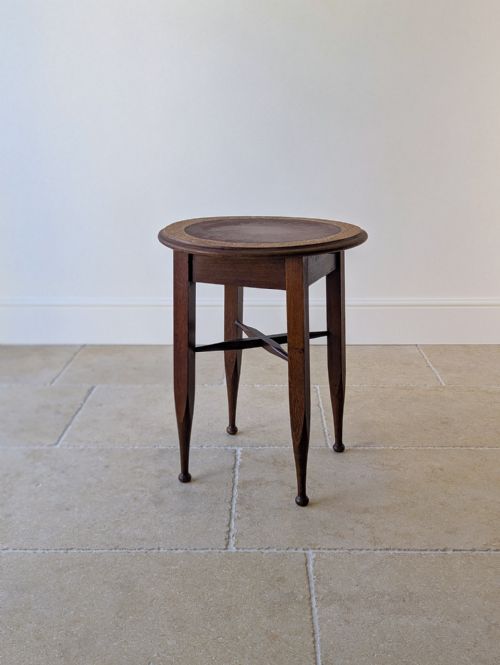
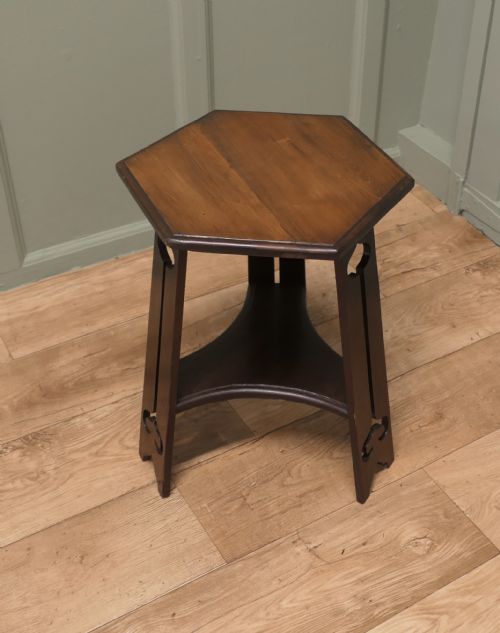
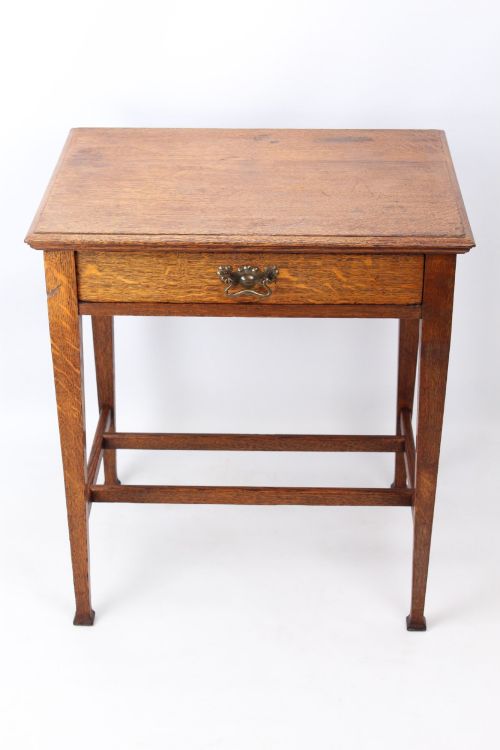
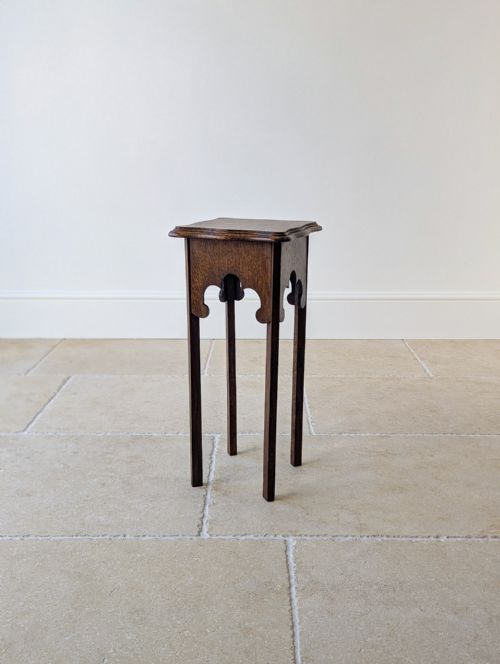
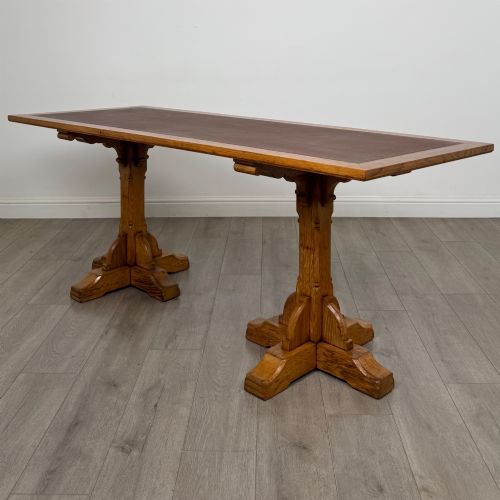
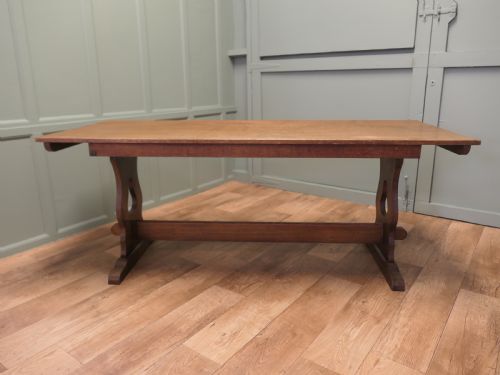
An edwardian arts crafts table encompasses utilitarian forms ranging from compact square lamp tables and octagonal plant stands to library desks, refectory dining tables, and multi-tiered occasional furniture.
The objects span production from the late nineteenth century through the Edwardian era into the 1920s and 1930s, aligning closely with regional workshop movements and mainstream commercial cabinet making.
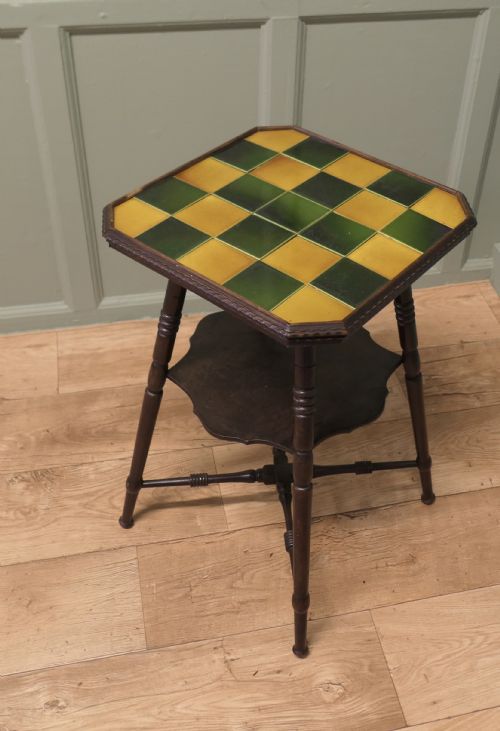
Buyers frequently encounter oak side tables and occasional stands featuring tiled tops, pegged joints, and lower undershelves designed for domestic practicality.
Materials and Technique
Makers relied primarily on solid oak, supplemented by ash, walnut, mahogany, and pitch pine, often finishing surfaces with traditional wax to emphasise natural grain patterns.
Construction techniques prioritised visible joinery, mortise and tenon joints, and occasional decorative elements such as brass handles, chequered inlay, or ceramic tile inserts.
Workshops utilised simple turning, hand carving, and coppered barrel construction to build functional surfaces meant for daily household use.
Some plant stands doubled as impromptu smoking tables when the potted ferns required a temporary evening rest.
Distinctions in Standard
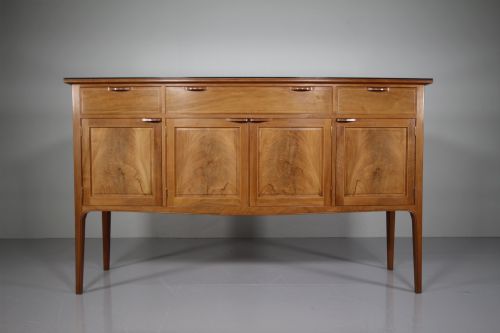
Quality separates mass commercial output from pieces bearing the hallmarks of notable designers, specific guilds, or documented workshops through deliberate material selection and structural restraint.
The degree of hand finishing, the crispness of carved details, and the integrity of timber selection dictate whether a piece reflects simple utility or exceptional workshop provenance.
Shapland and Petter·Edward Barnsley·Liberty and Co·William Birch·W.A.S. Benson·Arthur Simpson of Kendal·Dryad of Leicester
The Edwardian Arts Crafts Table Glossary
- Occasional table
- A small, movable table designed for specific, intermittent household tasks such as holding a lamp or books.
- Refectory table
- A long dining table traditionally utilised for communal meals, distinguished here by solid oak construction and stretcher bases.
- Inlay
- A decorative technique where contrasting materials such as wood or metal are inserted into depressions within the primary surface.
- Jardiniere stand
- A tall, slender piece designed specifically to support potted plants or floral arrangements within a room.
- Gateleg table
- A drop-leaf table featuring hinged legs that swing outward to support the raised flaps on either side.
Edwardian Arts Crafts Table: Frequently Asked Questions
How do I identify an authentic edwardian arts crafts table?
Look for honest construction methods, solid timber construction in oak or walnut, and minimal reliance on excessive surface ornamentation. True examples often exhibit pegged joints, chamfered edges, and simple structural forms.
Examine the underside and drawers for maker stamps, retailer labels, or workshop attribution marks. The absence of heavy factory-moulded veneers typically points toward authentic period manufacture.
Where were these tables used in the home?
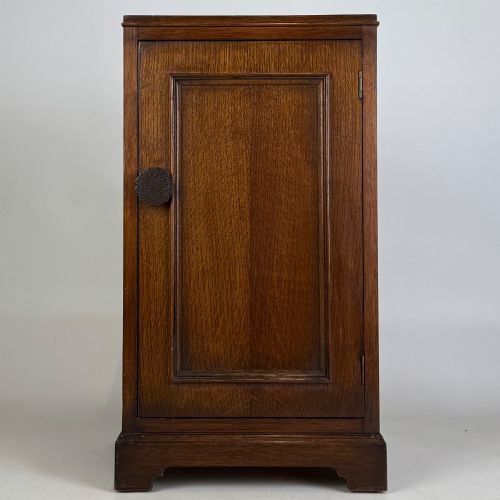
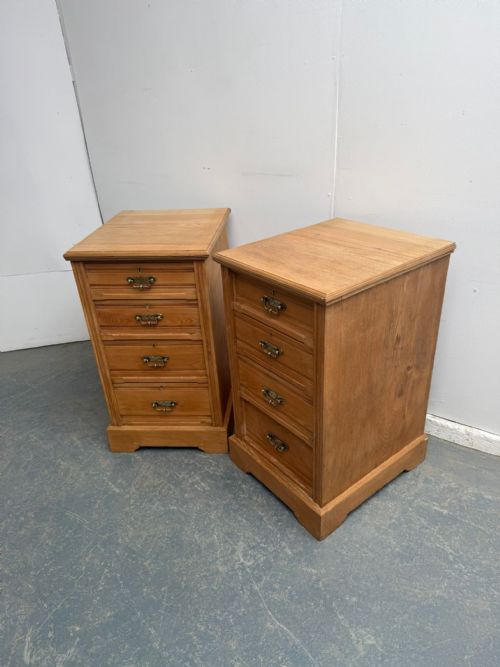
These versatile pieces served multiple domestic functions in hallways, libraries, drawing rooms, and bedrooms as lamp stands, writing surfaces, or bedside cabinets. Smaller variants moved easily to suit the daily needs of the household.
Larger formats functioned as dining surfaces or library desks, anchoring the central living spaces of the home with practical utility.
What distinguishes Cotswold School pieces from standard production?
Cotswold School furniture emphasises hand-tool marks, unpretentious joinery, and a direct connection to traditional craft methods championed by regional English makers. These items display a heavier reliance on manual shaping rather than machine standardisation.
Proportions remain robust, prioritising structural utility and the natural character of the solid timber over decorative embellishment.