
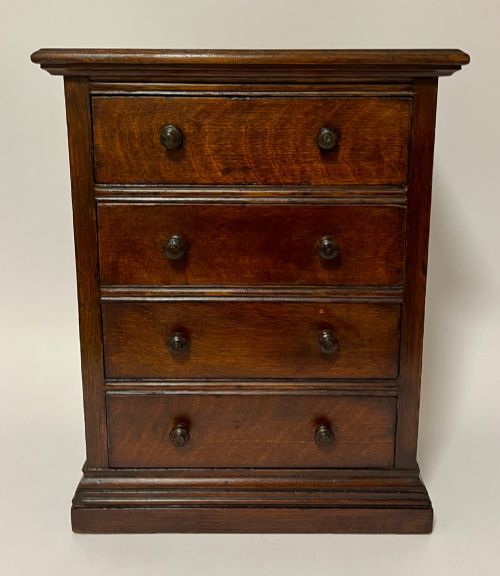


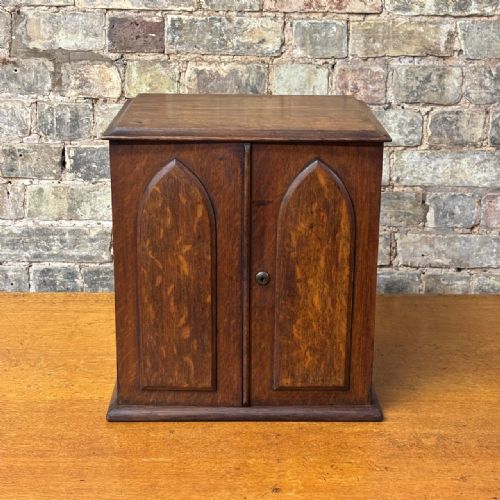


Tabletop Oak Cabinet
A tabletop oak cabinet offers compact storage, bringing timber character and period craftsmanship directly to any surface.
Tabletop Oak Cabinet
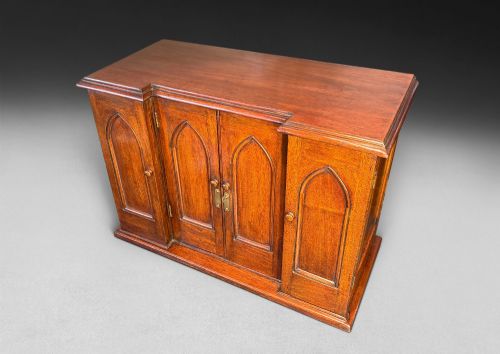
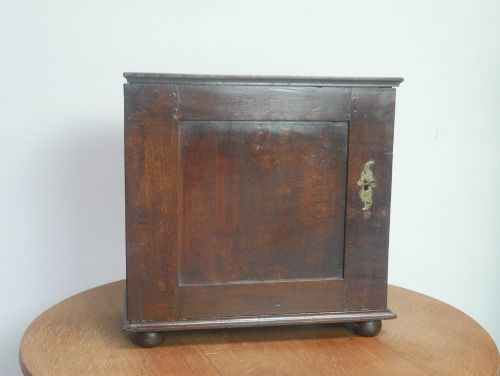
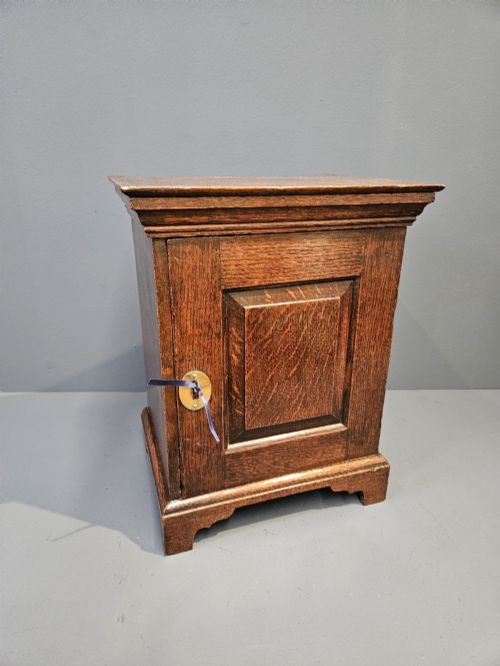
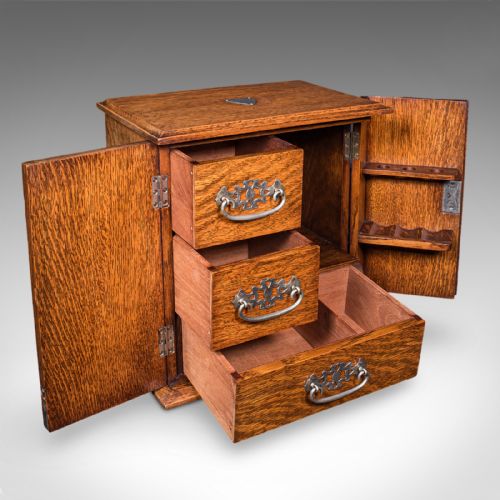
A tabletop oak cabinet encompasses a variety of small-scale wooden furniture designed to sit upon desks, counters, or tables. When exploring this phrase, buyers encounter pieces intended for specialised storage, such as spice cupboards, watchmaker chests, miniature desks, and smoking cabinets.
The selections span multiple centuries and stylistic movements, ranging from seventeenth-century spice cupboards to Edwardian countertop display cases and interwar mercantile drawers. Oak serves as the primary timber, often complemented by glass doors, brass hardware, and internal compartments.
These compact pieces mirror the architecture and proportions of larger case furniture from their respective eras. Collectors meet everything from simple country pieces with plain panels to formal Georgian designs and Gothic revival items featuring carved details.
Assessing Quality and Execution
Quality in a tabletop oak cabinet rests upon the crispness of the joinery, the selection of timber figure, and the original integrity of the hardware. Pieces featuring finely cut dovetails, well-fitted drawers, and substantial oak thickness command greater appreciation.
The refinement of surface decoration, from carved Gothic panels to turned elements and original glass, distinguishes standard utility pieces from exceptional commissions. Preservation of original finishes and working locks further elevates the standing of an antique specimen.
Listings feature oak tabletop cabinets spanning the 1700s, 18th century, Victorian, Edwardian, and 1930s periods.
Manoah Rhodes & Sons Ltd
The Tabletop Oak Cabinet Glossary
- Spice Cupboard
- A small wall-mounted or tabletop cabinet traditionally used for storing culinary spices and herbs in early domestic kitchens. These typically feature a single panelled door and internal rows of tiny drawers.
- Collector's Cabinet
- A specialised piece designed to house natural history specimens, coins, or curiosities, characterised by numerous shallow internal drawers. They often incorporate locking doors to protect fragile contents.
- Countertop Display Cabinet
- A mercantile fixture built with glass sides or doors intended for retail environments to showcase goods to customers. Edwardian and interwar examples frequently served in shops and chemists.
- Watchmaker's Cabinet
- A multi-drawer chest engineered for sorting tiny watch parts and precision tools. These items contain numerous diminutive compartments tailored for specialised trade use.
- Miniature Furniture
- A scale model or salesman's sample constructed with the same rigorous joinery as full-sized furniture. Examples include diminutive chests of drawers, kneehole desks, and compactum wardrobes.
Tabletop Oak Cabinet: Frequently Asked Questions
What were tabletop oak cabinets originally used for?
These cabinets served myriad practical functions depending on their specific form, ranging from securing spices and tobacco to displaying retail goods or organising watchmaker parts.
Domestic versions held personal documents, stationery, or collections, while commercial variants sat on shop counters to merchandise small wares.
How can I date an oak tabletop cabinet?
Dating relies on examining construction methods, hardware types, and stylistic vocabulary relative to known periods like the Georgian, Victorian, or Edwardian eras.
Hand-cut dovetails, timber thickness, lock designs, and specific decorative motifs such as Gothic panels or Art Deco lines provide clear chronological indicators.
Are tabletop cabinets suitable for modern homes?
Their compact scale makes them exceptionally adaptable for contemporary interiors, fitting easily onto sideboards, desks, or kitchen counters.
They provide functional storage for modern collections, jewellery, or stationery while adding historical warmth and timber texture to a room.