




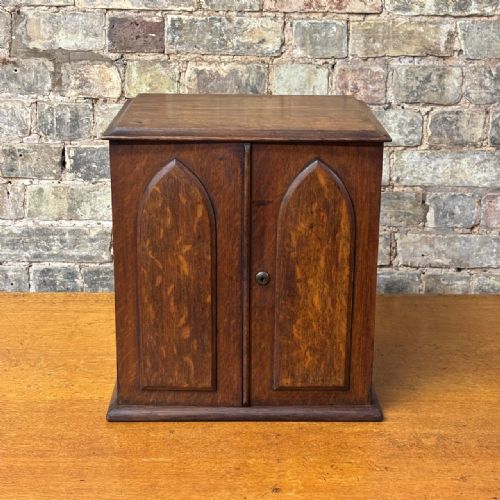


Dark Oak Spice Cupboard
A dark oak spice cupboard is a compact timber storage piece built to hold provisions, and collectors value its rich grain and period domestic utility.
Dark Oak Spice Cupboard
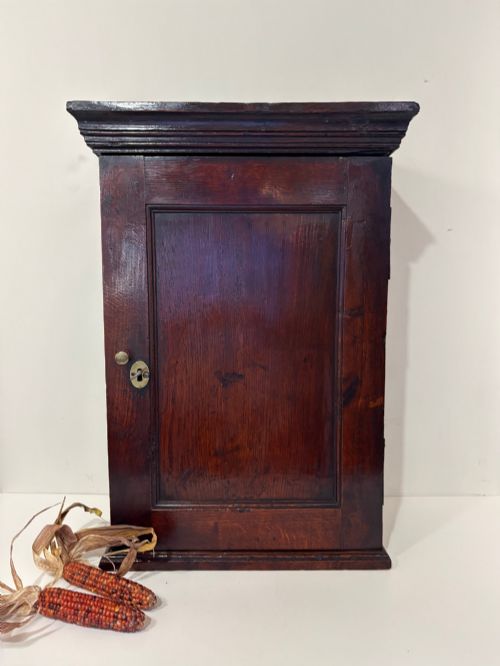
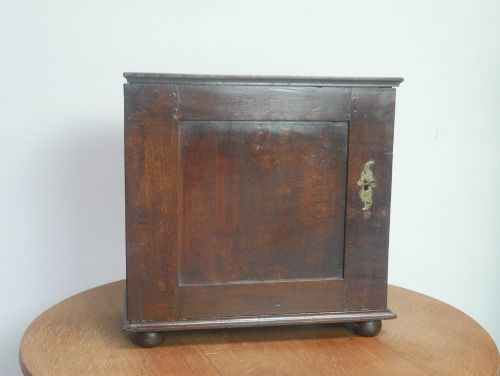
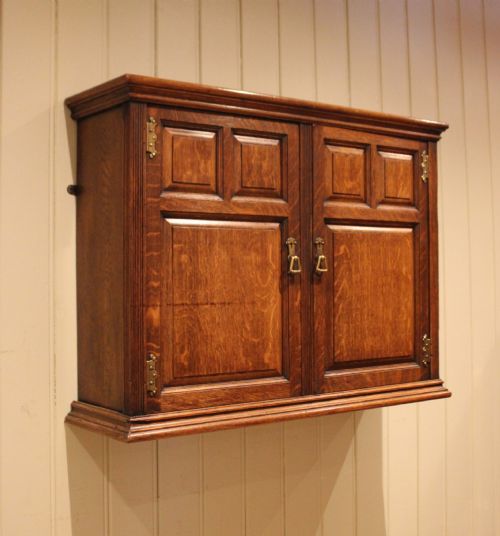
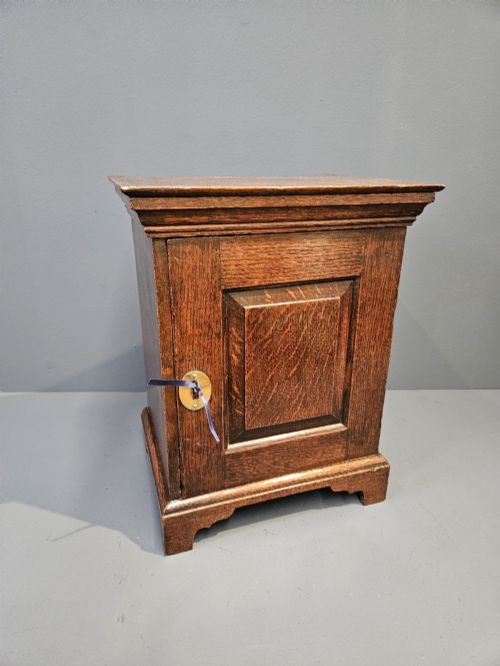
A dark oak spice cupboard takes several distinct forms in domestic interiors, most commonly appearing as a wall-hanging cabinet, a tabletop box, or an alcove storage unit. The pieces span from the seventeenth century through the Georgian era and into later revival periods, originating from English provinces, Wales, and continental workshops.
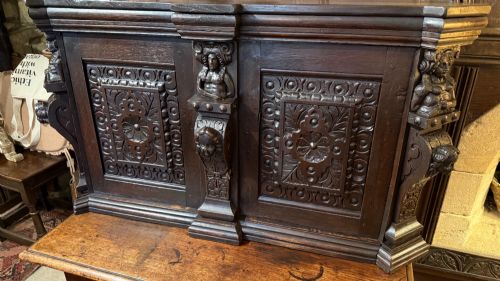
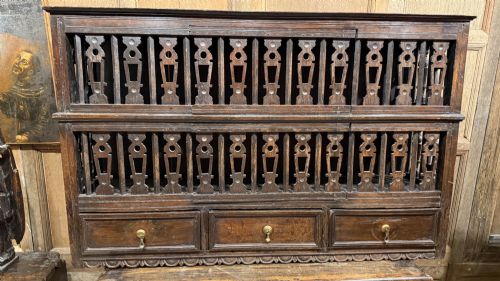
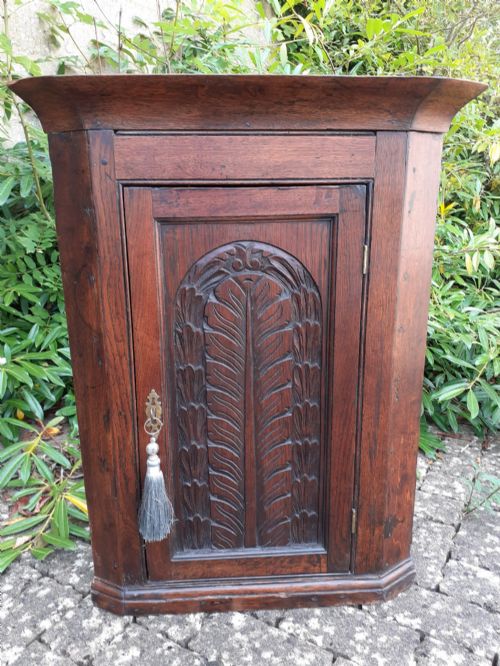
Buyers seeking a dark oak spice cupboard frequently encounter wall-mounted examples designed to save floor space in smaller rooms. These range from plain provincial builds to pieces with carved panels and small internal drawers, reflecting the daily storage needs of earlier households.
Construction and Materials
Makers built a dark oak spice cupboard using solid timber boards joined with traditional methods, often incorporating secondary woods like fruitwood inlay or mahogany for decorative contrast. Structural stability relied on pegged joints and hand-planed panels rather than modern adhesives.
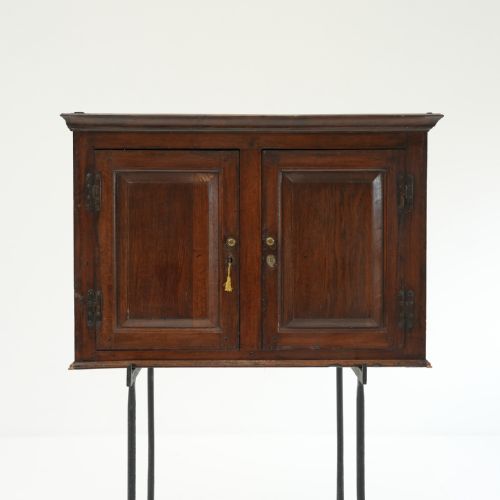
Hardware played an essential functional role, featuring brass or wrought iron hinges and latches fitted directly to the heavy timber doors. Surfaces were typically finished to highlight the natural dark grain of the oak rather than painted over.
Dark Oak Spice Cupboard Retail Price Guide 2026
Typical asking prices for dark oak spice cupboard among the pieces listed under this phrase on Sellingantiques today, from the lower quarter to the upper quarter. They describe what is for sale here now, not the wider market.
Several cupboards carry provenance from French cellars and Welsh country houses, having survived centuries of domestic handling.
Judging Quality in Period Cabinets
The standard of a dark oak spice cupboard rests on the crispness of any carved detailing and the integrity of the timber panels. Pieces with clean proportions, original hinges, and untouched surface patination stand apart from heavily restored or later altered examples.
Internal configuration also dictates distinction, as cabinets retaining their original arrangement of small drawers or compartment dividers command greater interest. The skill of the joiner shows in the tight fit of the doors and the careful selection of quarter-sawn oak boards.
The Dark Oak Spice Cupboard Glossary
- Quarter-sawn oak
- Timber cut radially across the growth rings, producing a characteristic striped figure often seen on better period furniture. This method reduces warping in smaller cabinet panels.
- Provincial
- Describing items made in regional workshops outside major metropolitan centres, usually displaying straightforward construction and local stylistic quirks. These pieces reflect traditional rural craftsmanship.
- Hanging cupboard
- A wall-mounted storage unit designed to be secured above floor level, saving domestic space. They frequently feature internal hooks or small shelving tiers.
- Inlay
- A decorative technique where contrasting materials such as fruitwood are set flush into the primary oak surface. This adds subtle pattern without altering the structural form.
- Panel door
- A door constructed with a floating centre board fitted inside a grooved frame to allow for wood movement. It remains a standard mark of traditional timber joinery.
Dark Oak Spice Cupboard: Frequently Asked Questions
Where were spice cupboards placed?
These cabinets hung on walls or sat upon tables in domestic rooms where provisions were kept close at hand.
Their compact size allowed them to occupy narrow wall spaces between windows or above working surfaces.
How do I date an oak cupboard?
Dating relies on observing construction methods, hinge types, and the tool marks left by the maker on the timber boards.
Stylistic details like carved panels or inlaid dates also provide direct clues to the period of origin.
Are these cabinets purely for spices?
While originally intended for precious seasonings and medical ingredients, they served generally for small valuable stores.
Many contained tiny internal drawers suited for documents, coins, or small household items.
How should I care for dark oak?
Keep the timber away from direct heat sources and sudden humidity shifts to prevent the solid oak from splitting.
Regular dusting and occasional application of appropriate wax help maintain the finish over time.