






Antique Oak Spice Chest
These antique oak spice chests are compact, practical containers for domestic provisions, prized for their rich timber and historic craftsmanship.
Antique Oak Spice Chest
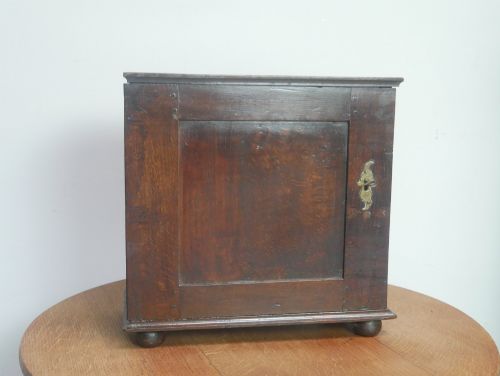
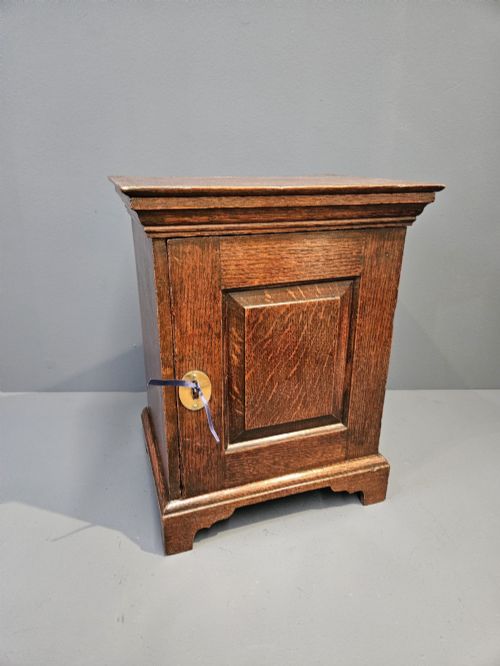
An antique oak spice chest is a small wall-hanging or desk-top cabinet designed to hold valuable seasonings and provisions in the historic home. The pieces found here span the eighteenth century and the nineteenth century, including Georgian examples alongside regional Welsh vernacular furniture.
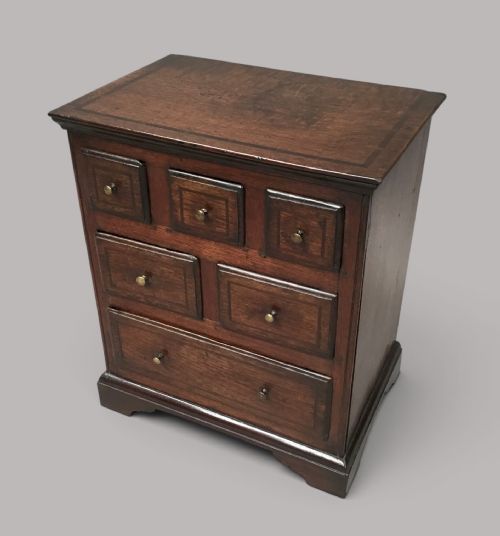
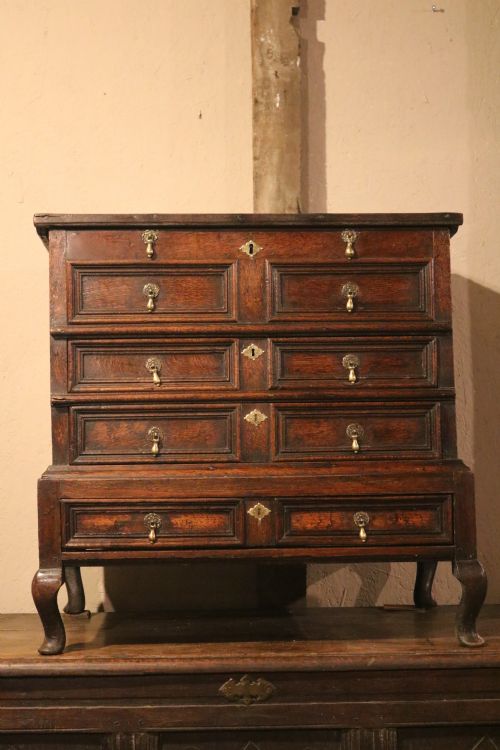
Most items on this page appear as spice cupboards, wall cabinets, or miniature furniture such as small chests of drawers and tallboy chests. The forms range from simple hanging spice boxes in mixed woods to sophisticated George II wall cupboards fitted with internal drawers.
Makers of these compact containers utilised local resources, frequently pairing solid timber carcasses with secondary woods like pine. Surviving items reflect both formal urban cabinet-making and sturdy country traditions from various British regions.
Materials and construction methods
Cabinet-makers built these miniature chests primarily from solid oak, sometimes incorporating pine for internal partitions and backboards alongside mixed wood inlay for decorative contrast. Structural joints relied on traditional pegged and dovetailed construction to ensure durability in domestic use.
Hardware played an essential operational role, featuring brass hinges, escutcheons, and latches alongside iron fittings that secured the small doors. Internal small drawers and compartments often utilised bone pulls or turned wooden knobs.
Surface finishing involved hand-planing and polishing the timber to develop a warm natural patina over generations of handling. Regional variations in construction reveal distinct local woodworking habits, particularly within Welsh pieces from the seventeen-forties to the seventeen-eighties.
Antique Oak Spice Chest Retail Price Guide 2026
Typical asking prices for oak spice chest among the pieces listed under this phrase on Sellingantiques today, from the lower quarter to the upper quarter. They describe what is for sale here now, not the wider market.
Many miniature chests include secret compartments hidden behind false drawer bottoms to keep valuable pin money safe from sticky fingers.
Distinctions in quality and execution
The standard of an antique oak spice chest rests on the proportion of the miniature form and the crispness of the joinery. Superior pieces display carefully selected grain patterns on the primary surfaces and precise dovetailing on the internal drawers.
The integrity of the original hardware and the degree of timber survival significantly influence the character of each piece. Finer examples retain their original brass furniture, working locks, and unblemished backboards without extensive replacement timber.
The Antique Oak Spice Chest Glossary
- Spice cupboard
- A small wall-hanging or desk-top cabinet fitted with internal drawers or shelves for storing dry goods and spices. These containers date primarily from the seventeenth and eighteenth centuries.
- Miniature furniture
- Scale models or apprentice pieces built to exact proportions, representing larger chests of drawers, tallboys, or court cupboards. They demonstrate the full range of cabinet-making skills on a reduced footprint.
- Vernacular furniture
- Domestic items built by local craftsmen using regional traditions and readily available materials rather than following metropolitan London styles. Welsh examples frequently display distinctive regional characteristics.
- Mixed wood inlay
- The practice of decorating timber surfaces by inserting contrasting veneer or solid woods into geometric or figurative patterns. This technique enhances the visual appeal of small boxes and chests.
Antique Oak Spice Chest: Frequently Asked Questions
What were antique oak spice chests used for?
These small cabinets stored expensive imported spices, herbs, and medicinal ingredients in the historic household.
Because spices represented significant wealth, the cupboards were often fitted with locking doors to protect valuable provisions.
How do I hang a wall-hanging spice cupboard?
Original hanging cupboards feature integrated suspension brackets, strap hinges, or reinforced fixing holes in the backboards.
Load distribution must be carefully managed using appropriate wall anchors to support the weight of the solid oak timber safely.
How can I distinguish Georgian pieces from nineteenth-century ones?
Georgian examples, including George II styles, typically display refined proportions, classical mouldings, and hand-cut dovetails characteristic of eighteenth-century workshops.
Nineteenth-century country pieces often incorporate secondary woods like pine and exhibit sturdier, less formal vernacular construction methods.
Are miniature chests actually salesman samples?
Most miniature chests and tallboys functioned as masterworks, apprentice pieces, or specialty items for domestic tabletop use rather than travelling samples.
Their careful construction mirrors full-scale furniture intended for refined parlours and chambers.