

18th Century Hanging Cupboard
An 18th century hanging cupboard offers compact wall storage rooted in Georgian craftsmanship, bringing timeless utility to modern interiors.
What an 18th century hanging cupboard is
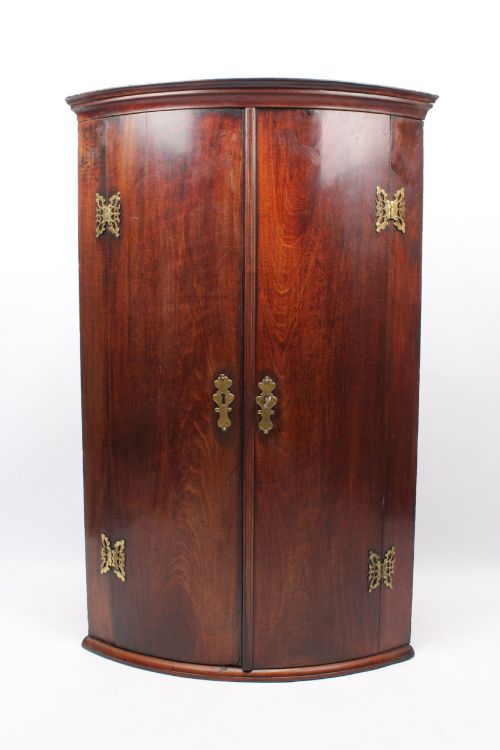
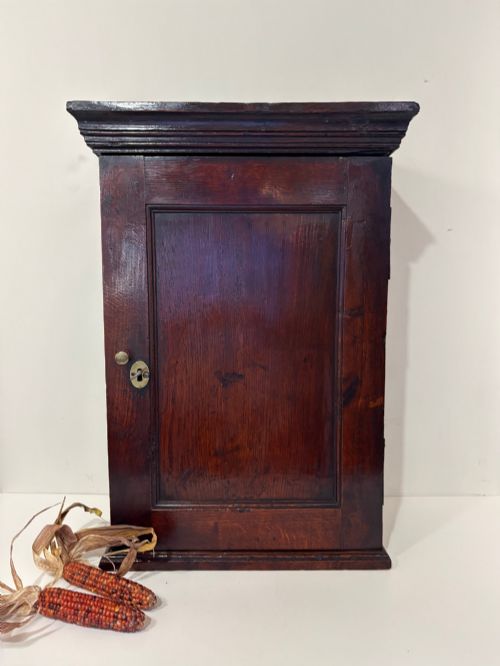
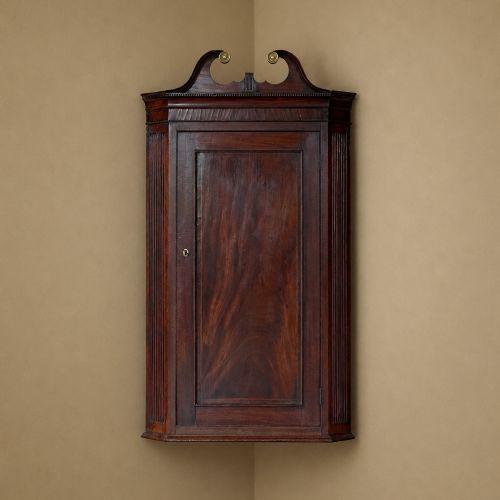
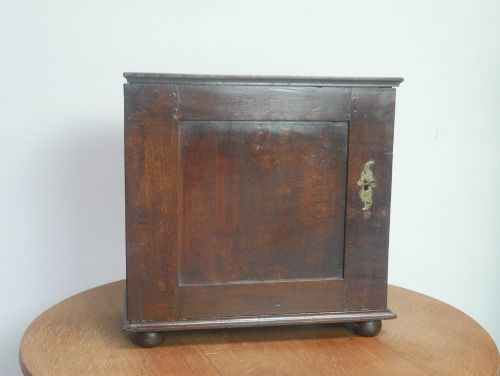
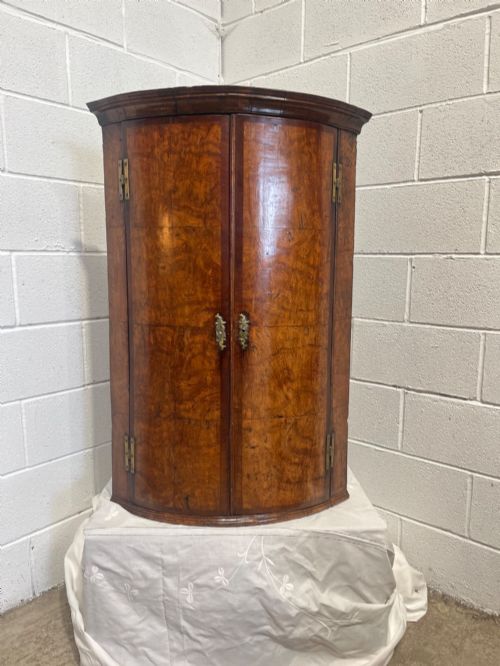
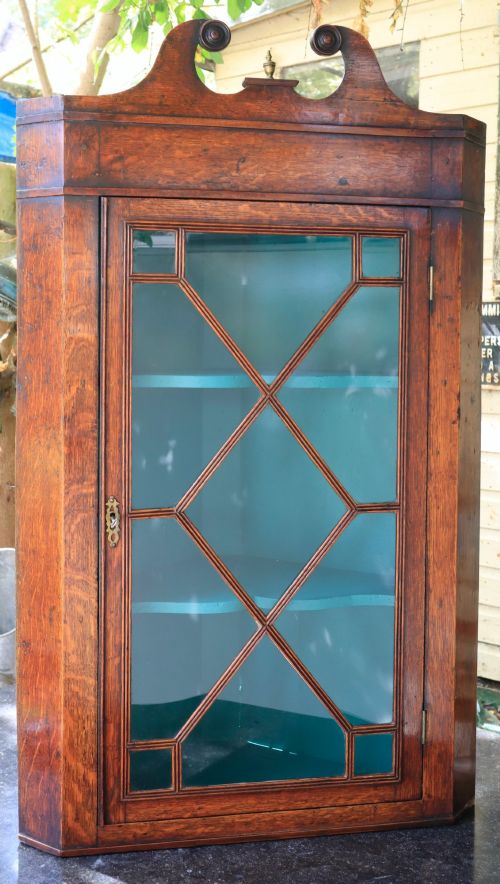
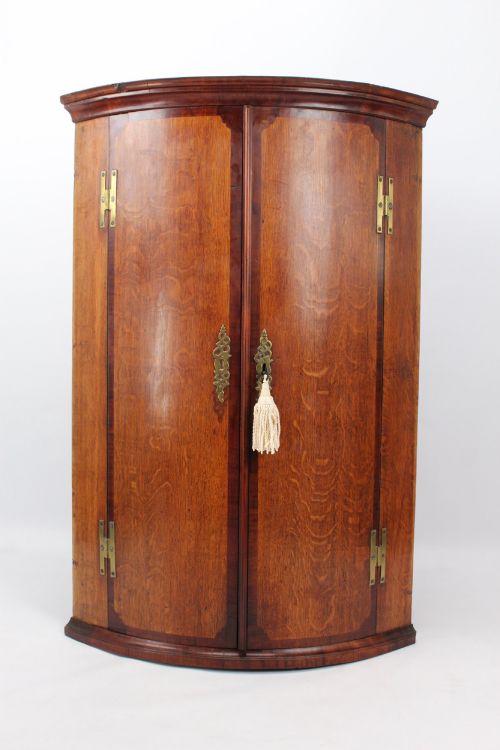
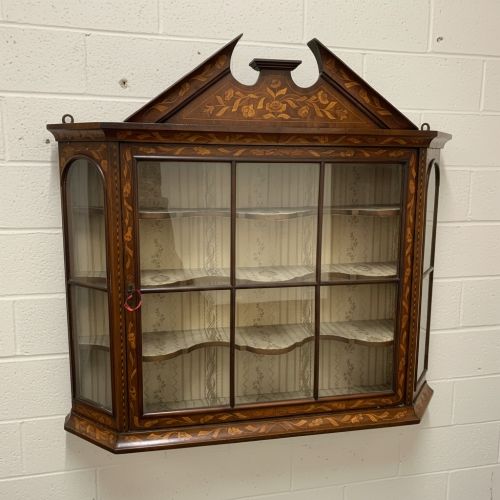
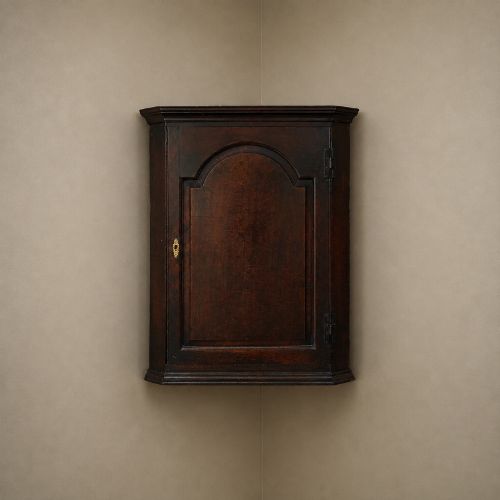
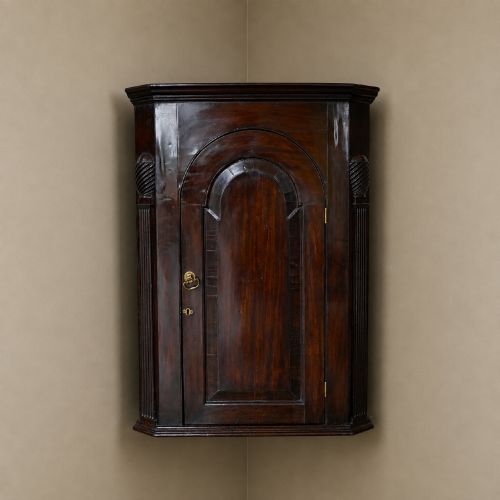
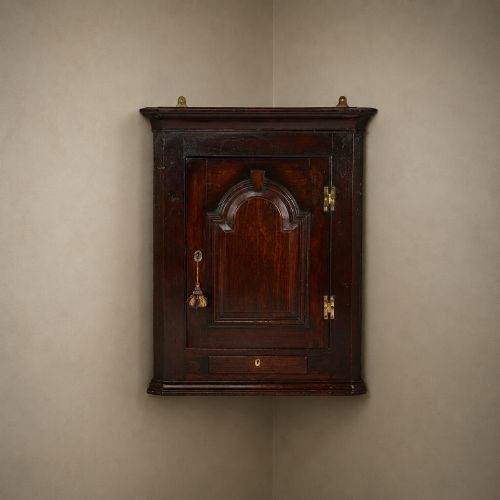
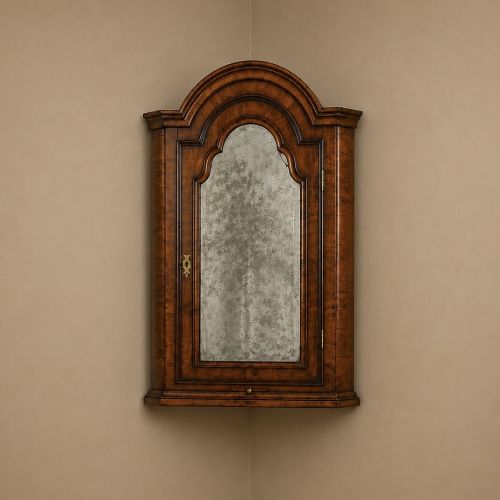
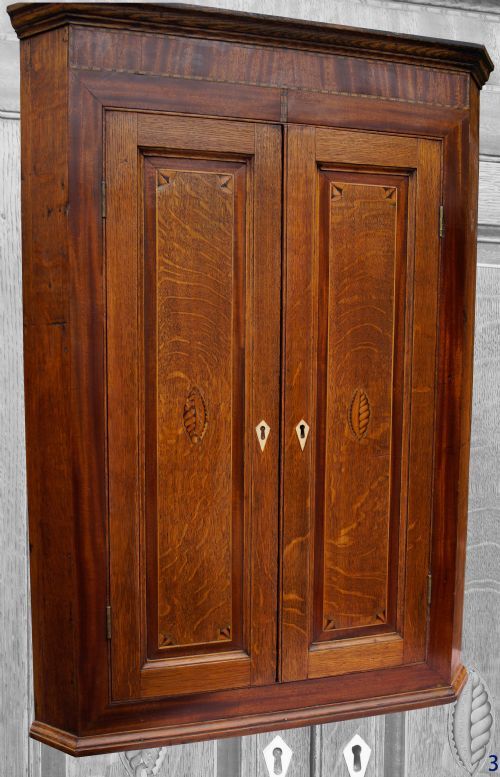
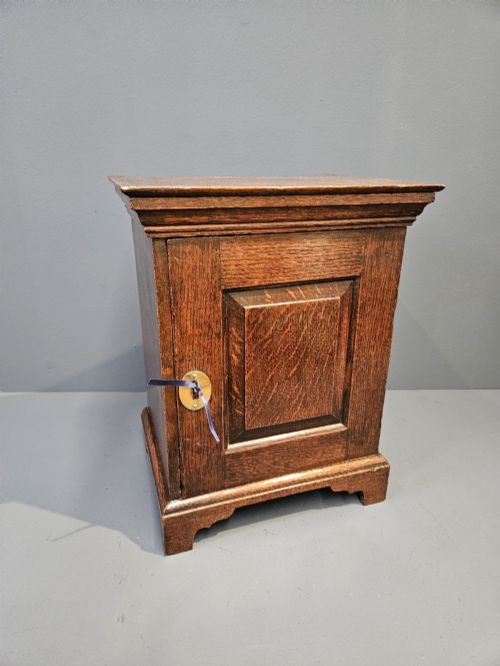
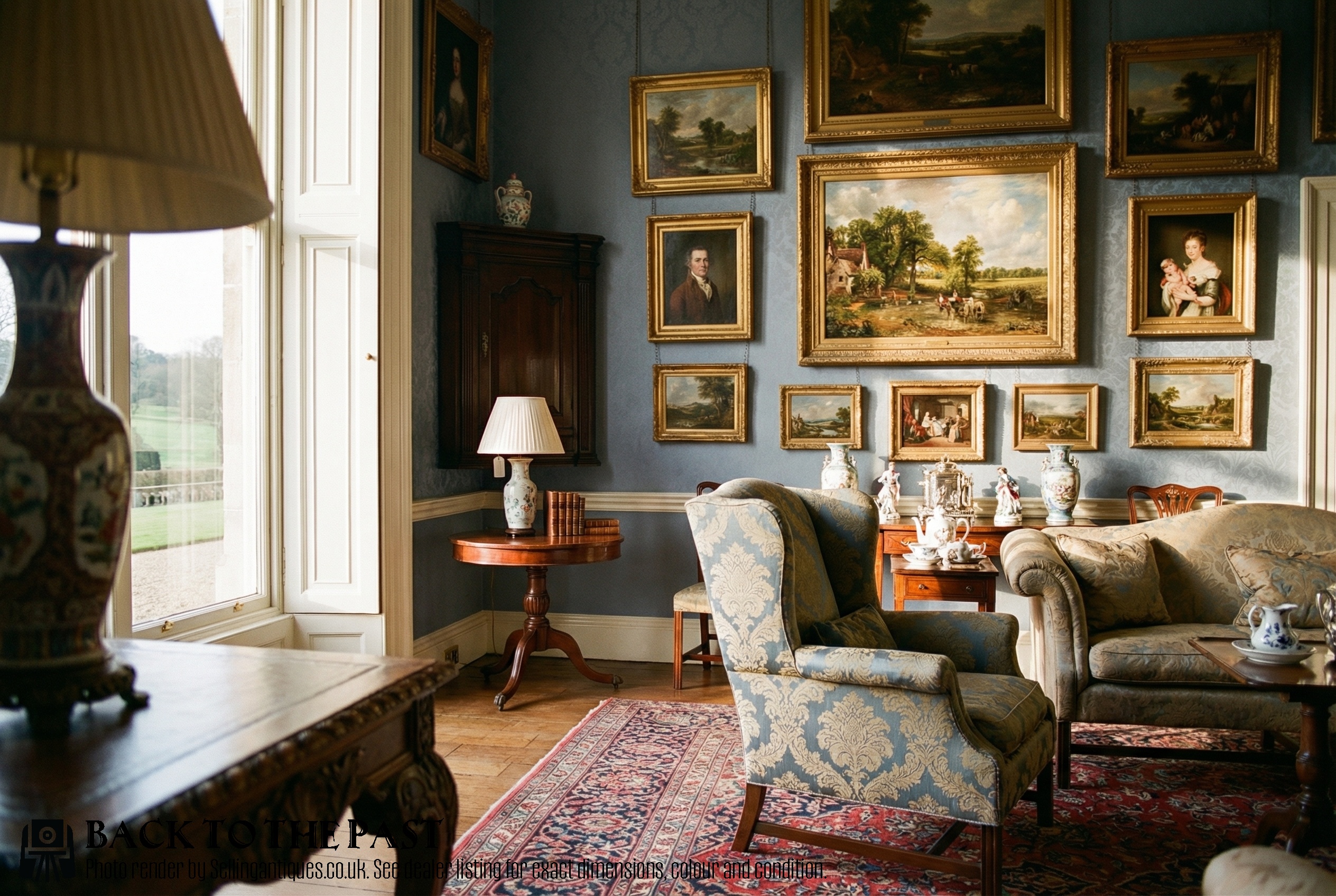
An 18th century hanging cupboard comprises wall-mounted storage pieces designed to save floor space while keeping domestic items secure. You will most frequently encounter corner cabinets and spice cupboards built during the Georgian period.
The selection ranges from small spice cupboards and wall cabinets to larger corner units and livery presses. Regional variations such as Welsh vernacular pieces appear alongside continental baroque examples.
How they were made
Cabinet makers relied predominantly on solid oak and walnut, occasionally incorporating fruitwood and mahogany accents. Panels were frequently raised and fitted into sturdy frames using traditional joinery.
Hardware consists of brass hinges and latches, complemented by steel fixing points for wall mounting. Carved details and inlaid borders add decorative depth to the structural timbers.
Retail Price Guide 2026
Typical UK retail prices for 18th century hanging cupboard, calculated from the Sellingantiques database of over a million retail prices indexed since 2003. This retail price guide relies exclusively on Sellingantiques data; no external sources or auction records are used, so the figures do not describe the wider market.
Listings feature oak, walnut, fruitwood, and mahogany, spanning the 18th century and Georgian periods.
What varies in quality
The grade of timber selection and the precision of the mitred joints largely dictate the standard of each piece. Superior examples display carefully matched wood grain and robust internal shelving.
Proportion and decorative restraint separate standard utility items from finer parlor cabinets. Original brassware and well-preserved surface patination elevate the standing of a piece.
The 18th Century Hanging Cupboard Glossary
- Corner cabinet
- A storage unit specifically constructed to fit into the ninety-degree angle of a room. These save valuable floor space while utilising neglected corners.
- Livery press
- A large wardrobe or clothes cupboard used for storing garments and household linens. They often feature deep lower drawers and panelled doors.
- Spice cupboard
- A small wall-mounted cabinet containing multiple internal drawers for storing precious spices and herbs. They represent some of the most intricate domestic woodwork of the period.
- Vernacular
- Regional furniture styles built by local craftsmen using available native timbers. These pieces reflect distinct geographic traditions rather than court fashions.
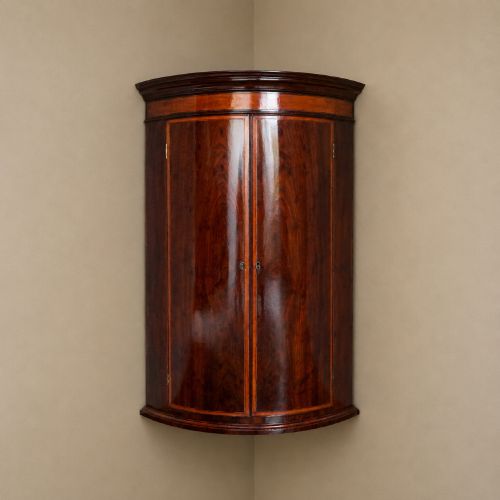
- Bowfront
- A convex curved cabinet front that projects outward from the wall. This curved profile requires advanced woodworking skill to construct.
Frequently Asked Questions
How do I hang an 18th century cupboard safely?
These cabinets require secure fixing into solid masonry or substantial internal wall studs to bear the weight of the timber.
Professional installation ensures the historic structure remains stable and undamaged under load.
What is the difference between a corner cabinet and a wall cupboard?
Corner cabinets feature an angled back designed to fit neatly into room intersections. Flat wall cupboards are built with a straight back to mount flush against a flat surface.
Both types served to keep provisions and household goods elevated away from damp stone floors.
Where were hanging cupboards used in a Georgian home?
Smaller spice cupboards typically hung in kitchens or pantries for easy access during food preparation. Larger corner cabinets were often placed in parlours or dining rooms to display ceramics and glassware.
Bedchambers utilised wardrobe presses for linens and garments before fitted closets became standard.
How do I care for antique oak and walnut?
Maintain a stable indoor humidity level to prevent the solid timber from splitting or warping over time. Apply a light application of traditional beeswax periodically to nourish the surface and preserve the natural patination.
Avoid placing wooden furniture near direct heat sources or in prolonged direct sunlight.