
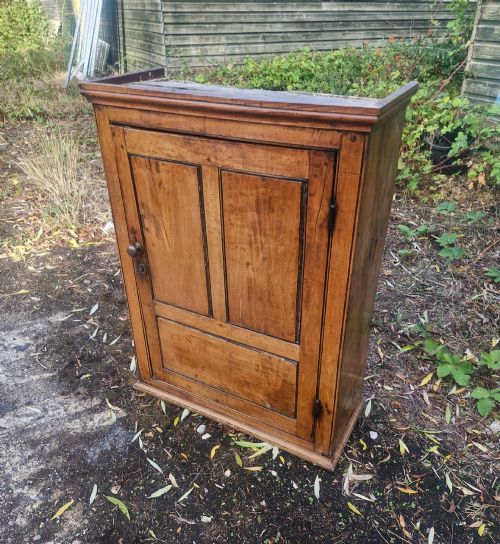
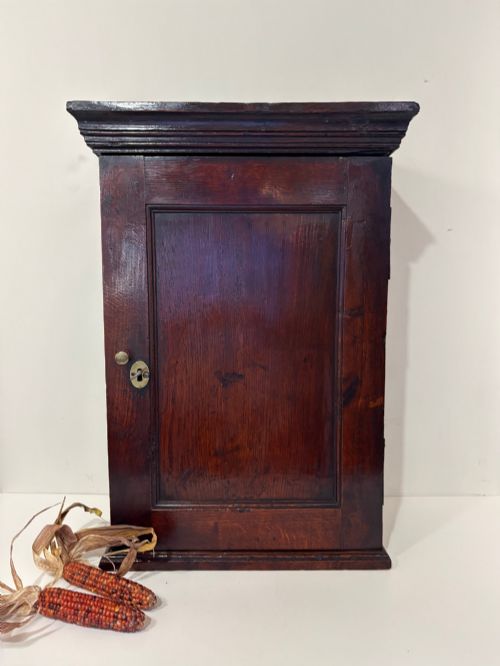
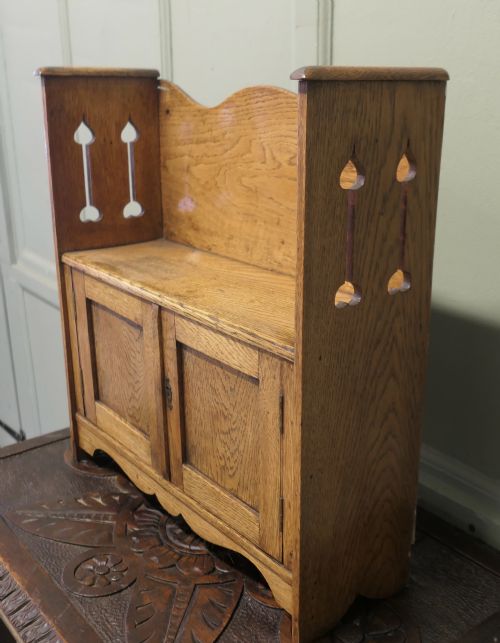
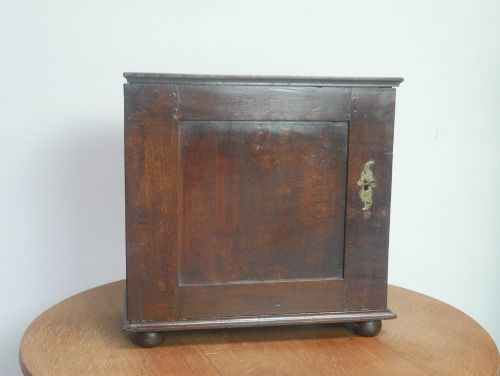
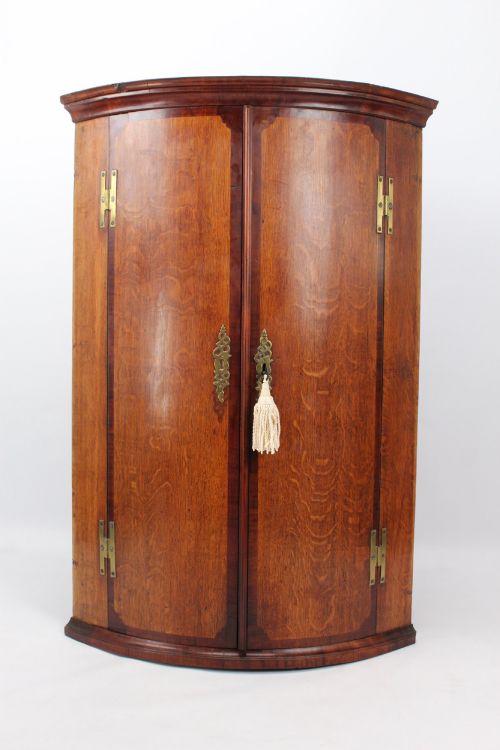
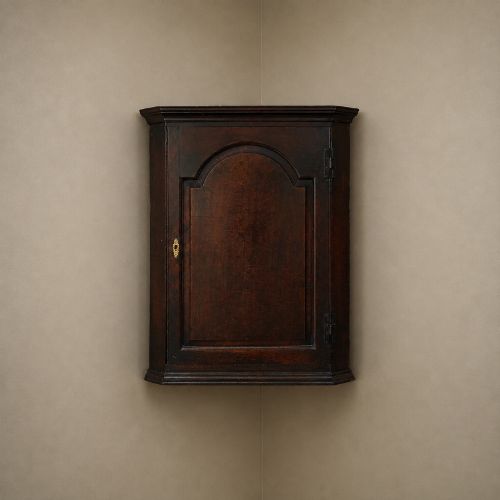
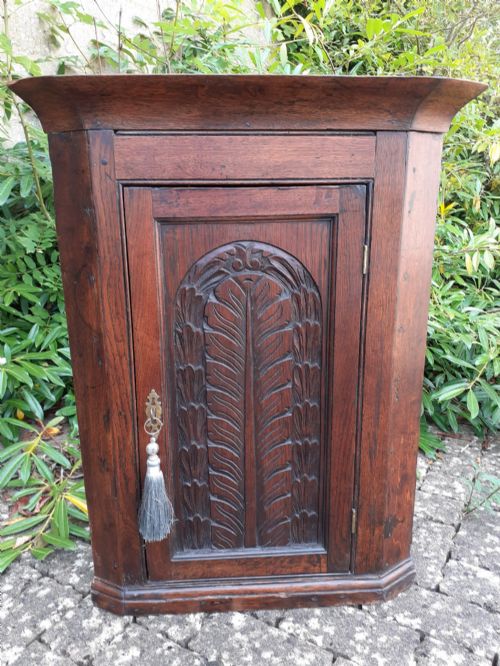
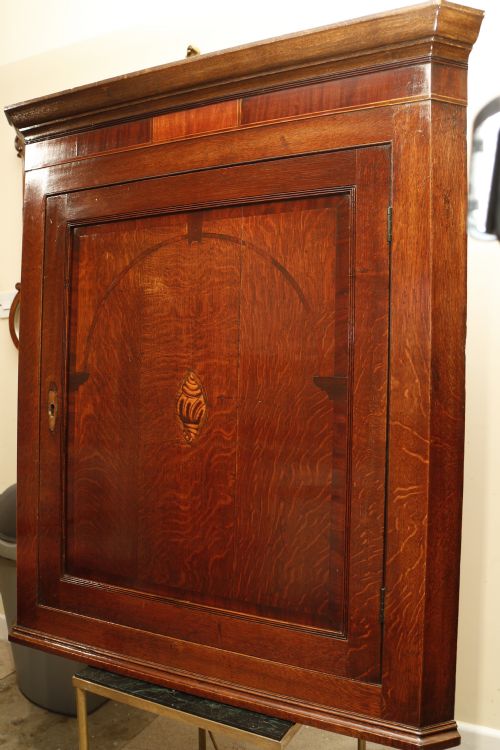


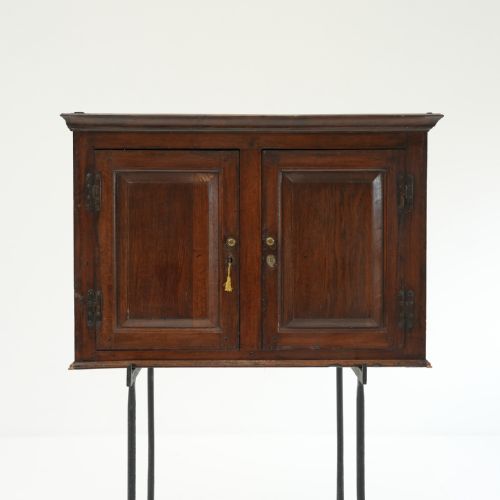


Rustic Oak Hanging Cabinet
A rustic oak hanging cabinet brings honest grain and sturdy construction directly to your wall space.
What they are
When you search for a rustic oak hanging cabinet, you encounter compact storage pieces designed to mount securely on walls. These items include corner cabinets, wall cabinets, and corner cupboards from Georgian and nineteenth-century periods.
The versions you are most likely to meet on this page include Georgian oak hanging corner cupboards and French provincial wall hanging cupboards. These practical containers utilise native timber to maximise room efficiency in smaller interiors.
How they were made
The makers relied on solid oak planks to build enduring frames and panelled doors. Brass and steel hardware, such as hinges and latches, provided necessary mechanical support and functional contrast against the timber.
Joinery methods focused on stability, securing corner joints and wall fixings to bear weight safely. Surfaces received minimal intervention, allowing the natural grain and rustic character of the oak to remain prominent.
Retail Price Guide 2026
Typical UK retail prices for rustic oak hanging cabinet, calculated from the Sellingantiques database of over a million retail prices indexed since 2003. This retail price guide relies exclusively on Sellingantiques data; no external sources or auction records are used, so the figures do not describe the wider market.
Current listings feature oak as the exclusive material, spanning Georgian and nineteenth-century periods across wall and corner cabinet forms.
What varies in quality
The standard of timber selection and cabinet proportion dictates the visual appeal of each piece. Superior examples display tighter grain patterns and harmonious joinery that respects the natural movement of the oak.
Hardware integrity also separates ordinary items from finer specimens. Original brass or steel fittings that retain their proper alignment and movement elevate the overall authenticity of the cabinet.
The Rustic Oak Hanging Cabinet Glossary
- Oak
- A dense, durable hardwood prized for its distinct grain and heavy weight. It forms the primary structural material for these cabinets.
- Corner cupboard
- A specialised storage unit built with a triangular footprint to fit snugly into room angles. This form optimizes unused space in traditional interiors.
- Georgian
- A historical design period spanning the eighteenth century, characterised by proportion and classical restraint. Pieces from this era often feature refined mouldings.
- French provincial
- A regional style reflecting rural French craftsmanship and domestic utility. These items prioritize robust function over elaborate ornamentation.
Frequently Asked Questions
How do I hang a heavy oak wall cabinet?
These cabinets require secure fastening directly into wall studs or masonry using appropriate fixings to support the substantial weight of the solid timber.
Ensuring the structure is level before loading items inside prevents strain on the original hinges and joints.
Are corner cupboards practical for modern rooms?
Corner cupboards utilise awkward wall angles to provide concealed storage without encroaching on floor space. They suit kitchens, hallways, and living areas where square footage is at a premium.
The internal shelving accommodates glassware, spices, or everyday items while keeping the room layout open.
How do I identify a Georgian oak cabinet?
Georgian pieces typically display period construction traits such as hand-cut dovetails, pegged joints, and timber shrinkage consistent with eighteenth-century age. Panel thickness and hardware styles further indicate the era.
Comparing the moulding profiles and backboards helps distinguish genuine Georgian work from later reproductions.
How should I care for rustic oak surfaces?
Maintain the timber by dusting with a dry cloth and occasionally applying natural beeswax to nourish the dry grain. Avoid placing oak furniture in direct sunlight or near heat sources to prevent splitting.
Keeping environmental humidity stable protects both the wood and the historical brass or steel fittings.