

Antique Apothecary Cupboard
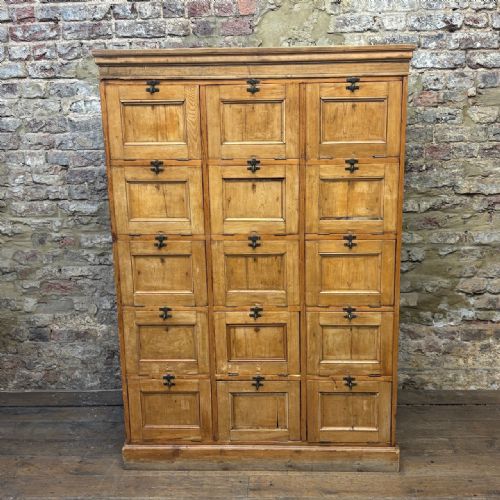
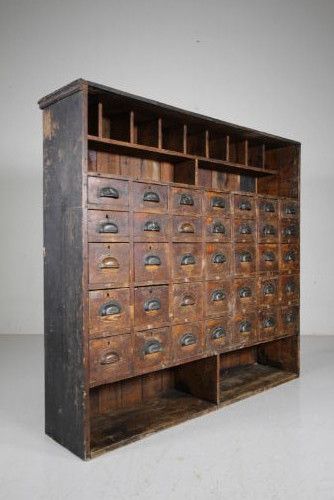
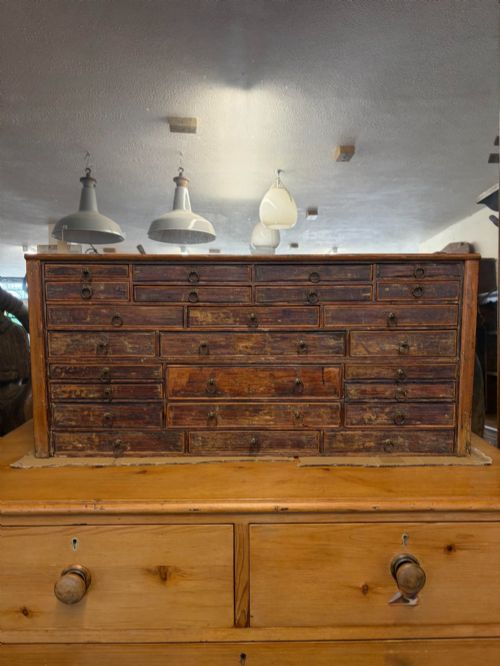
An antique apothecary cupboard brings utilitarian storage and historic charm into a room, offering numerous small drawers originally designed for remedies and dry goods.
Antique Apothecary Cupboard
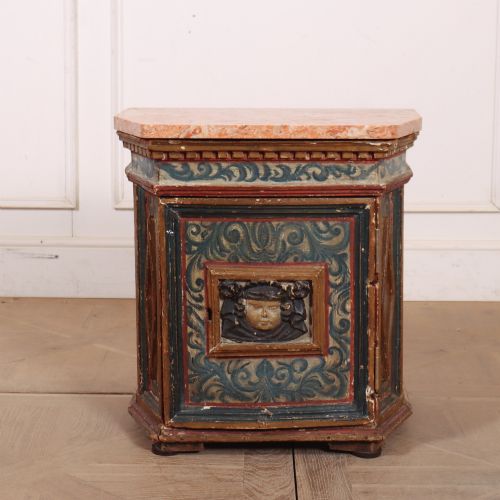
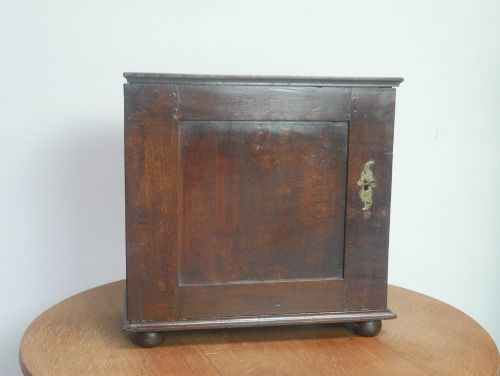
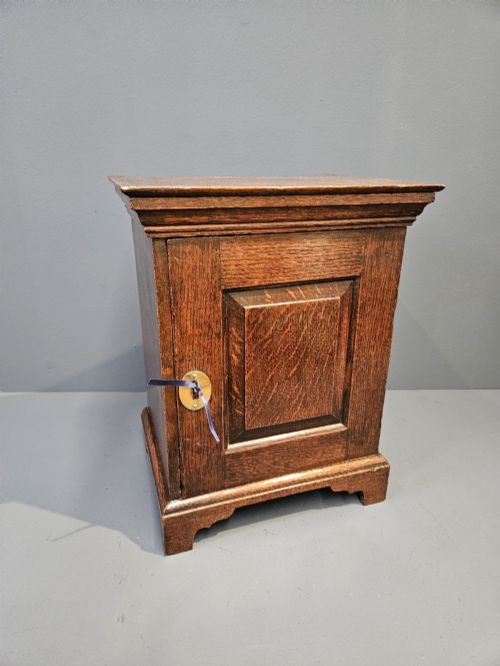
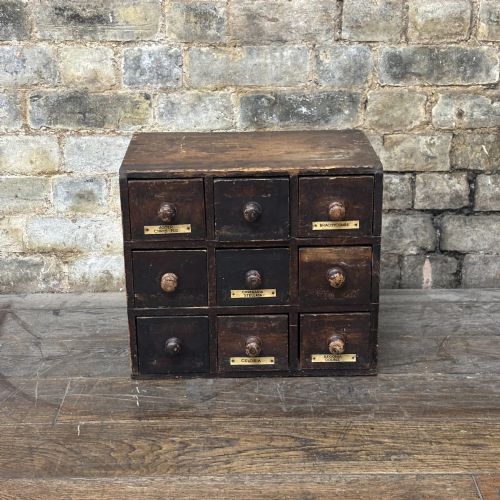
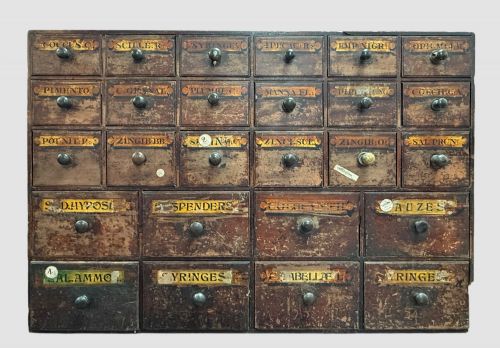
When you search for an antique apothecary cupboard, you are looking at functional storage units designed for medicines, herbs, and spices, ranging from tall banks of drawers to smaller wall-hung cabinets. These pieces span several centuries, appearing in Georgian, Victorian, and Edwardian styles, alongside continental and oriental examples.
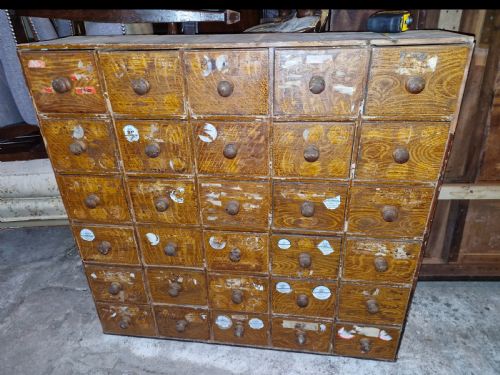
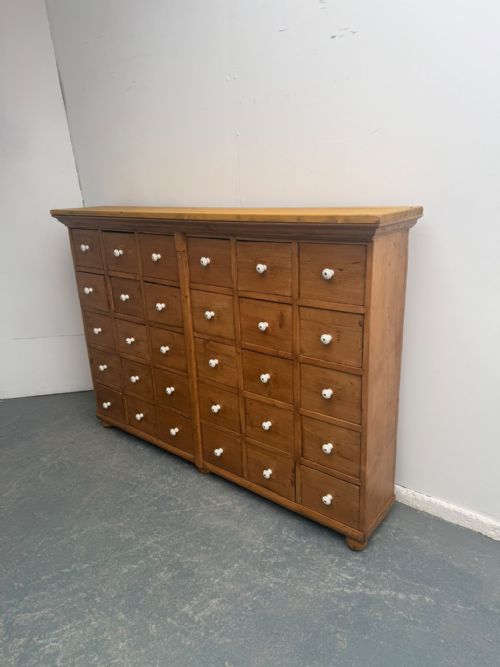
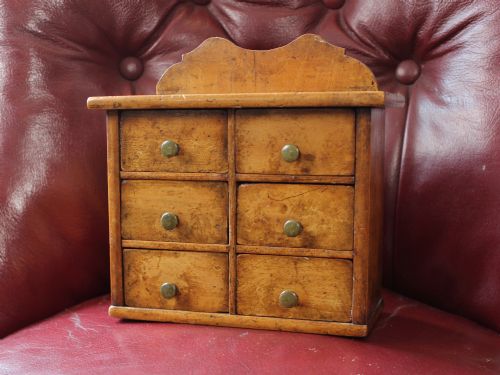
The version you are most likely to meet on this page is a multi-drawer pine or oak bank of drawers or spice cupboard from the nineteenth century. These sturdy items served chemists, shopkeepers, and households before finding a second life in modern interiors.
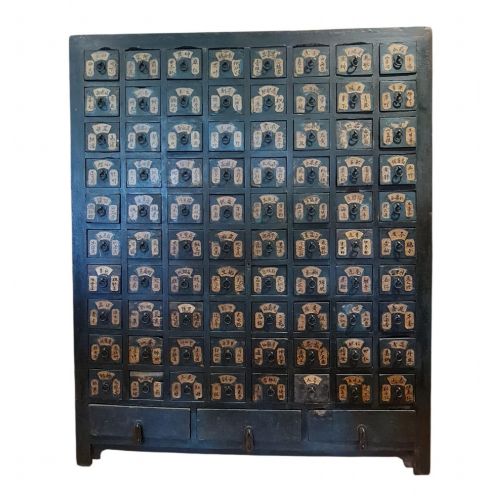
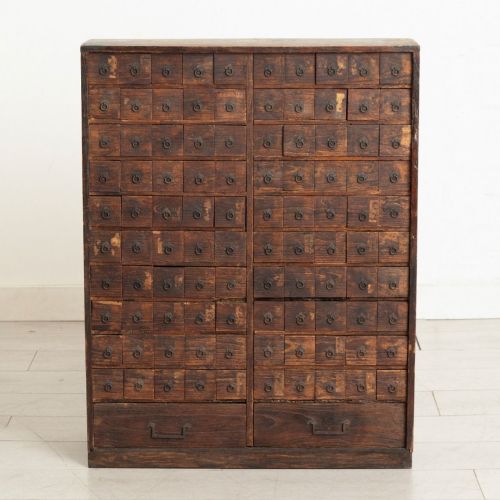
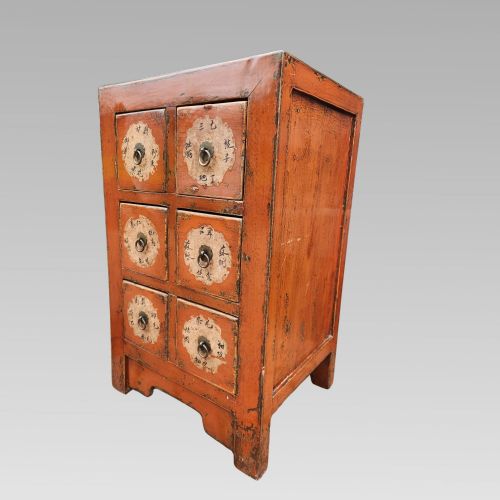
The category also encompasses specialised storage such as Chinese medicine chests, haberdashery units, and medical carrying chests. Each variation reflects the specific trade or domestic needs of its era, utilising numerous small compartments to keep contents organised.
Materials and Construction
Craftsmen built these cabinets predominantly from solid timbers such as pine, oak, mahogany, fruitwood, and elm. Local availability and the intended utility of the piece dictated the wood choice, with sturdy hardwoods used for refined furniture and durable softwood utilised for large shop fittings.
Hardware played a crucial functional role, incorporating brass handles, locks, and hinges alongside glass panels for display doors. Many examples feature original painted surfaces, ranging from muted cream and white to bright decorative finishes applied during their working lives.
Joinery techniques focused on durability, employing tight drawer construction and panelled doors to withstand heavy daily use in pharmacies and shops. These traditional methods ensure the surviving pieces retain their structural integrity today.
Storage forms include spice cupboards, haberdashery chests, and large multi-drawer banks from various European and Asian traditions.
Assessing Quality and Character
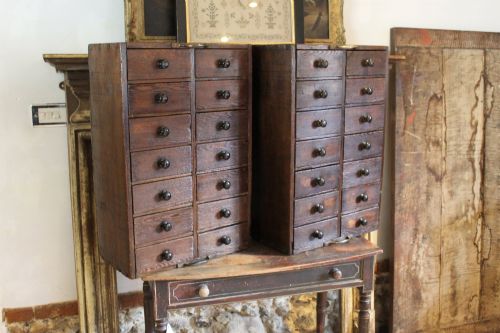
The distinction between ordinary utility items and exceptional pieces rests upon the scale of the bank and the integrity of the original surface. Cabinets featuring dozens of matching drawers demand greater joinery skill and command more attention than simpler two-door cupboards.
Originality of paint, handles, and labels elevates a piece significantly. Retaining the authentic patina of a working chemist or shop interior preserves the historical narrative that collectors value.
Proportion and timber selection also divide the range. Finely figured mahogany or fruitwood demonstrates a higher workshop ambition compared to utilitarian stained deal or standard pine.
Luxmore's of Ilfracombe·D Napier And Sons
The Antique Apothecary Cupboard Glossary
- Bank of Drawers
- A multi-drawer storage unit containing numerous small compartments arranged in rows and columns. This form is typical of apothecary and haberdashery furniture.
- Spice Cupboard
- A small wall-mounted or tabletop cabinet fitted with internal drawers for storing culinary herbs and spices. These date predominantly from the Georgian and earlier periods.
- Shop Fitting
- Large commercial furniture built for retail environments, such as multi-drawer counters and wall units. Many Victorian examples utilise pine and retain original painted finishes.
- Collector's Cabinet
- A specialised small-scale cabinet designed for organising natural history specimens, coins, or small artefacts. They often feature lockable glass doors and shallow baize-lined drawers.
- Estate Cabinet
- A fitted wooden chest used on large properties for administrative records or specialised household storage. They typically showcase high-quality cabinet-making in timbers like mahogany.
Antique Apothecary Cupboard: Frequently Asked Questions
What is an apothecary cupboard?
An apothecary cupboard is a functional storage unit historically used by chemists and pharmacists to store dried herbs, medicines, and medical equipment. They typically feature numerous small drawers to keep different remedies sorted and accessible.
Over time, these practical items transitioned from working shops into domestic settings. Today, buyers appreciate them for their unique aesthetic and exceptional organizational capacity.
How do I date an apothecary cabinet?
Dating these cabinets involves examining the wood species, construction techniques, and hardware. Earlier pieces from the eighteenth century often utilise oak or fruitwood with hand-cut joinery, while nineteenth-century examples frequently feature pine and standardised brass pulls.
Stylistic cues also provide clear markers, reflecting Georgian proportions or Victorian industrial utility. Examining the interior linings and backboards further helps establish the era of manufacture.
Where should I put an apothecary cupboard?
These versatile cabinets suit various rooms depending on their size and depth. Large banks of drawers work well in kitchens as larders or islands, offering deep storage for cookware and dry goods.
Smaller wall cabinets and spice cupboards fit nicely in bathrooms or hallways for toiletries and daily items. Their distinctive compartmentalized fronts add architectural interest to any neutral wall.
How do I care for antique wood furniture?
Maintaining antique wooden surfaces requires keeping them away from direct sunlight and extreme temperature fluctuations. Consistent humidity prevents the timber from drying out and cracking.
Regularly dusting with a soft, dry cloth preserves the finish. Occasional application of appropriate wax nourishes older woods like oak, pine, and mahogany without damaging the historical patina.