

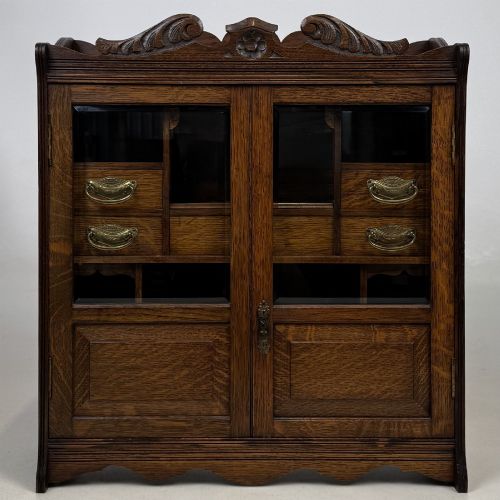
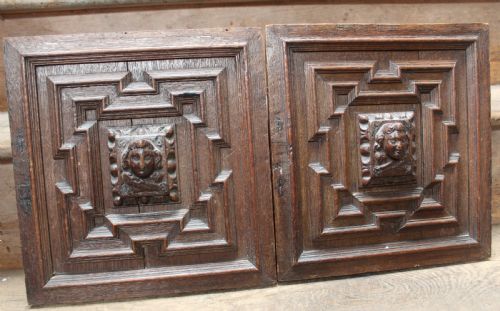
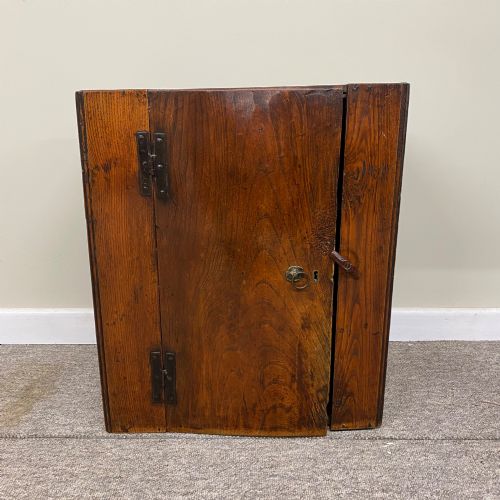
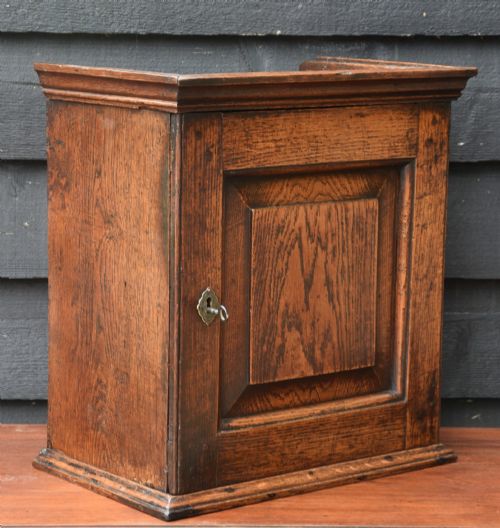

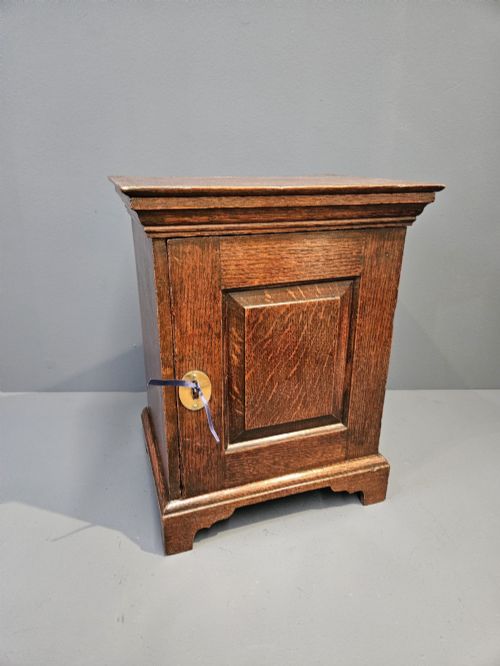

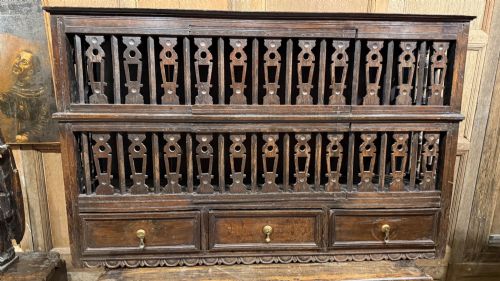
Brown Oak Wall Cabinet
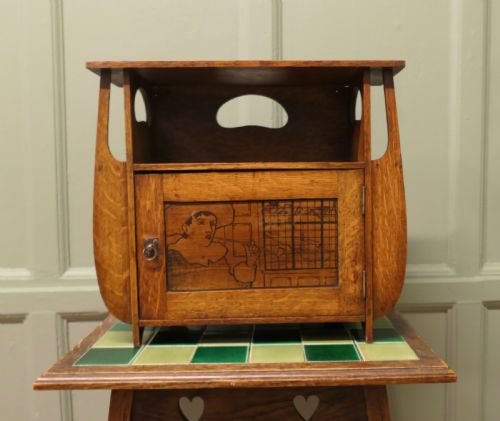
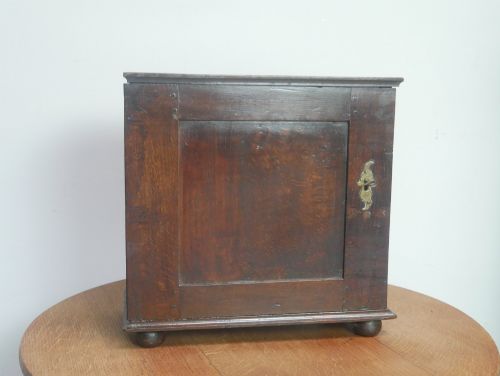
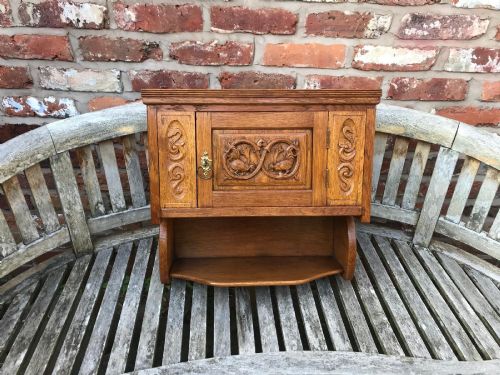
A brown oak wall cabinet brings warmth and practical storage to a room, offering sturdy timber built to last centuries.
Brown Oak Wall Cabinet
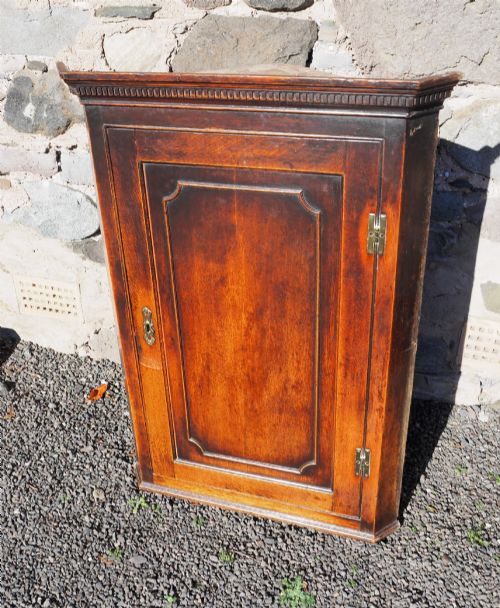
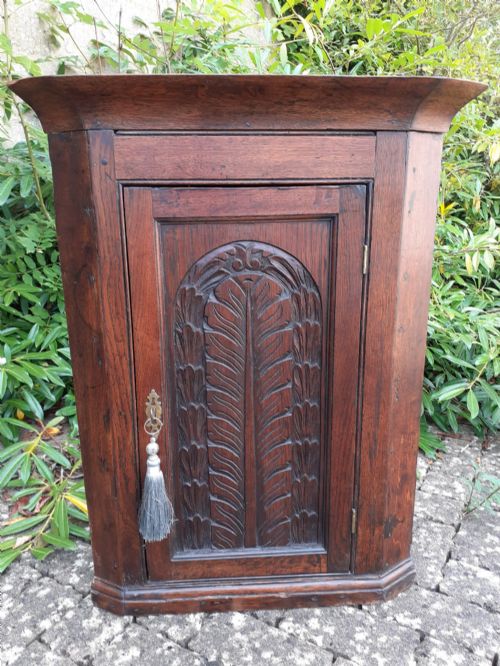
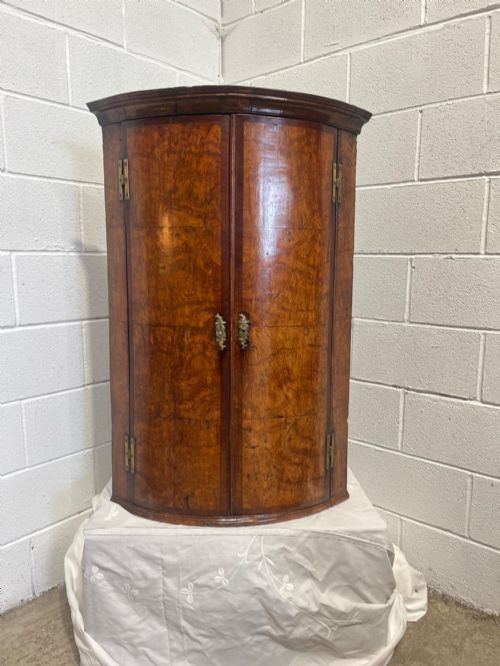
A brown oak wall cabinet is a hanging timber storage piece designed to save floor space while keeping contents secure inside a room. When you search for a brown oak wall cabinet, you encounter forms ranging from compact spice cupboards to generous corner units.
Makers shaped these wall cabinets for domestic utility, utilising sturdy woods to store household goods, food, or valuables out of the way. Surviving examples demonstrate how homeowners integrated practical cabinetry into everyday living spaces.
Materials and construction methods
Makers constructed these cabinets primarily using solid oak timber, often paired with secondary woods like pine for internal elements. Cabinetmakers selected boards displaying deep brown tones and prominent grain patterns to give each piece a distinct natural character.
Craftsmen secured doors and panels with traditional joinery, attaching brass hinges and iron hardware to handle daily use. Certain Georgian and Victorian pieces incorporate mahogany crossbanding or inlaid details to frame the central oak panels.
Brown Oak Wall Cabinet Retail Price Guide 2026
Typical asking prices for brown oak wall cabinet among the pieces listed under this phrase on Sellingantiques today, from the lower quarter to the upper quarter. They describe what is for sale here now, not the wider market.
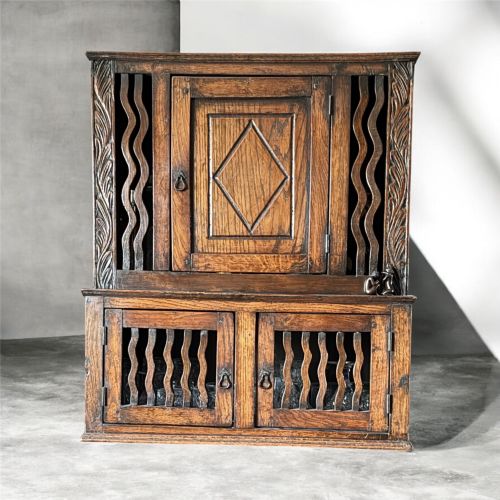
The documented object types include spice cupboards, corner units, display cabinets, and key cabinets.
Assessing quality in antique cabinets
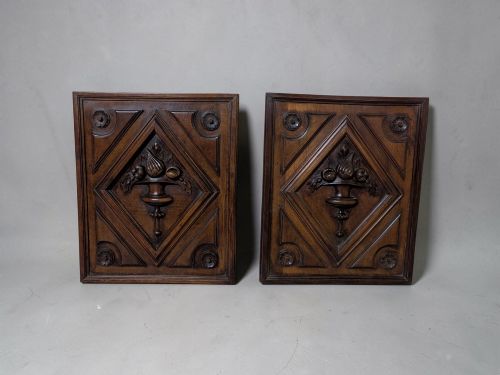
Quality rests in the depth of the timber's grain and the crispness of any hand-carved ornamentation adorning the frame. Superior examples display carefully matched wood panels and original brass or iron hardware that has aged gracefully alongside the oak.
Construction integrity separates fine pieces from simpler utilitarian boxes, showing precision in the dovetail joints and cabinet assembly. The presence of original glazing, crossbanding, or intact interior shelving elevates the standing of an individual wall cabinet.
Heals
The Brown Oak Wall Cabinet Glossary
- Brown oak
- Timber derived from oak trees affected by the beefsteak fungus, producing a rich, dark brown colour throughout the wood. This distinct material is prized by cabinetmakers for its striking visual depth.
- Corner cupboard
- A specialised cabinet built with angled sides designed to fit neatly into the corner of a room. These units maximise domestic space while displaying stored items.
- Spice cupboard
- A small wall-hanging cabinet featuring multiple internal drawers or compartments. These compact pieces were traditionally used to store valuable kitchen spices and small provisions.
- Crossbanding
- A decorative technique where thin strips of veneer are applied to the borders of a panel so the grain runs perpendicular to the main wood. This adds a refined visual contrast to Georgian furniture.
- Hanging cupboard
- A storage unit equipped with fixing points or brackets allowing it to be mounted securely onto a wall. This form keeps contents elevated above floor level.
Brown Oak Wall Cabinet: Frequently Asked Questions
How were these wall cabinets used?
These cabinets served domestic spaces as secure storage for household provisions, spices, and valuables. Hanging them on walls kept contents accessible while preserving precious floor area in smaller rooms.
Over generations, owners adapted these pieces to hold ceramics, books, or everyday utensils. Their versatile sizing made them suitable for kitchens, hallways, and living quarters alike.
How do I tell an 18th-century piece apart?
Eighteenth-century examples often feature hand-cut dovetailing, pegged joints, and solid oak construction showing deep patination from age. Spice cupboards and early corner units from this era rely on simple, robust joinery rather than mass-produced components.
Hardware such as wrought iron H-hinges or brass butterfly hinges provides further clues to dating. Examining the interior timber reveals tool marks left by period craftsmen.
Where should I hang a corner cabinet?
A corner cabinet finds its natural home where two walls meet, utilising dead space to introduce architectural interest to a room. Placing it at eye level in a hallway, dining area, or kitchen ensures the door opens without obstruction.
Ensure the wall structure can support the weight of solid oak timber before mounting. Secure fixings driven into wall studs keep heavy antique cabinetry safe.