

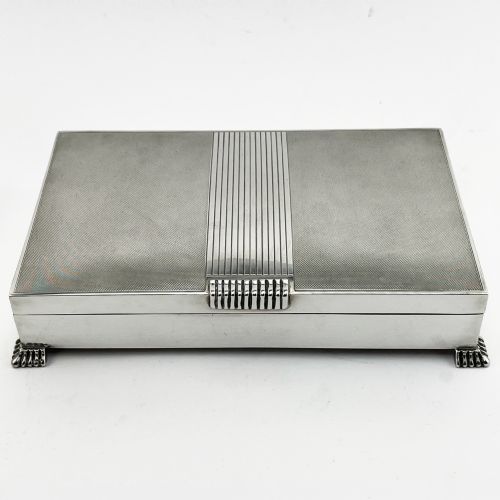


Silver Cigarette Box
A silver cigarette box brings refined craftsmanship to a desk or mantelpiece, offering a tangible link to early smoking culture.
Silver Cigarette Box
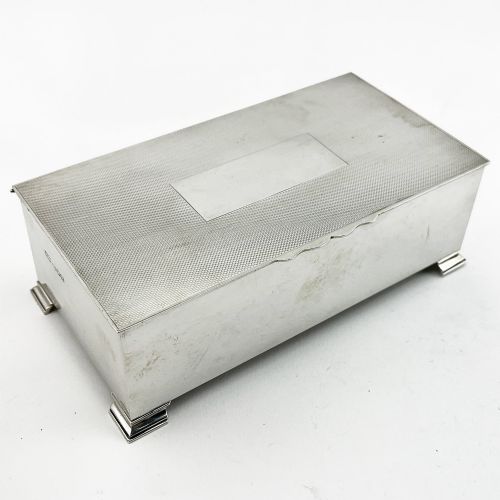
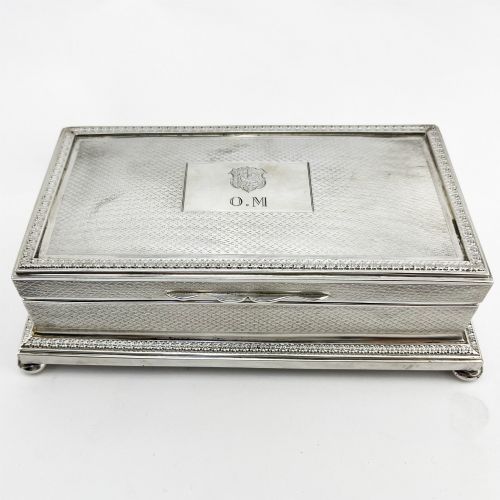
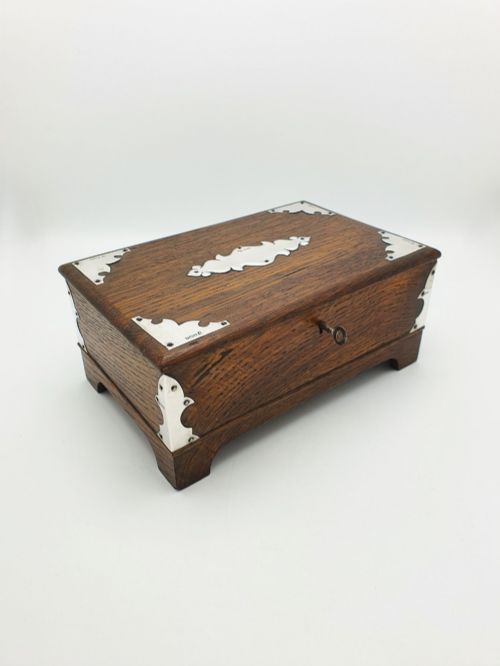
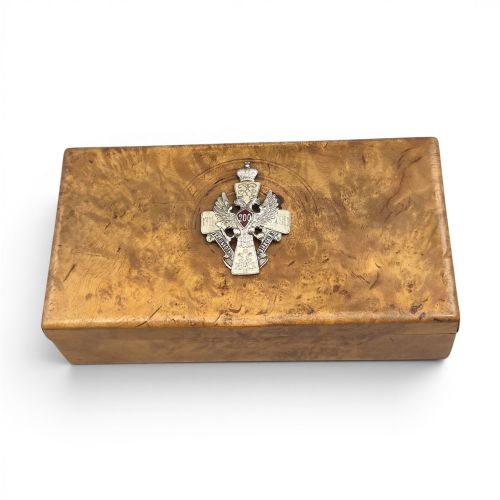
A silver cigarette box serves as a desktop or tabletop receptacle designed to hold cigarettes or cigars securely. These items emerge primarily from the Victorian, Edwardian, and Art Deco periods, spanning the nineteenth and twentieth centuries.
Buyers encounter tabletop boxes alongside pocket-sized cases and larger smoking compendiums. Many examples feature wooden linings, typically cedar, mahogany, or oak, intended to keep tobacco fresh.
Origins vary widely across English workshops, continental European makers, and international export houses. The selection ranges from plain, functional containers to heavily decorated objects incorporating enamel or gemstones.
How They Were Made
Silversmiths constructed these boxes using sterling or solid silver, frequently combining the metal with internal wooden carcases. Cedar and oak provided structural stability and humidity control for stored tobacco.
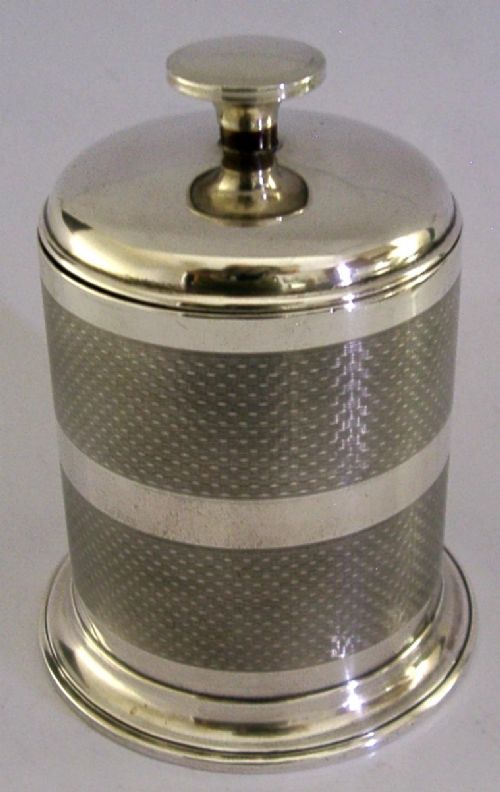
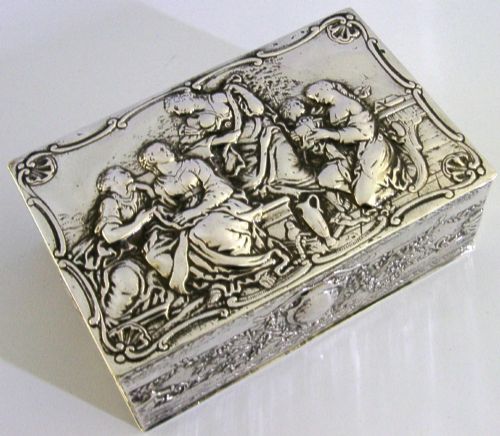
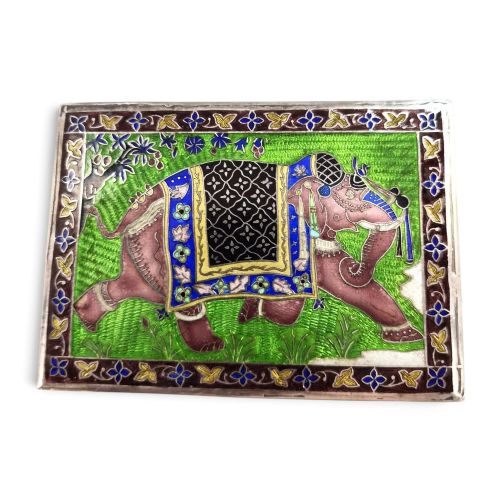
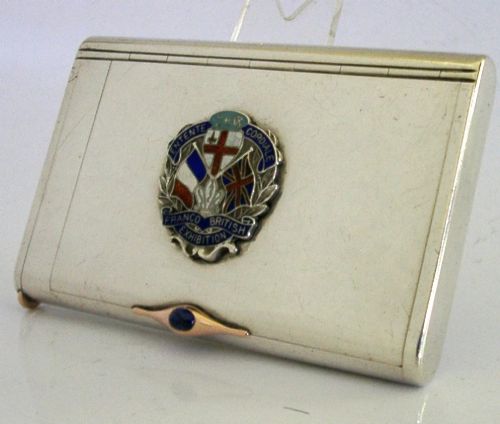
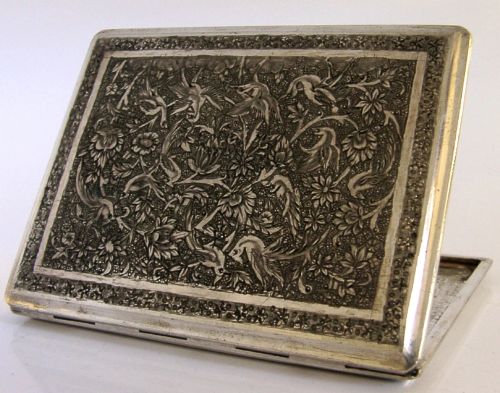
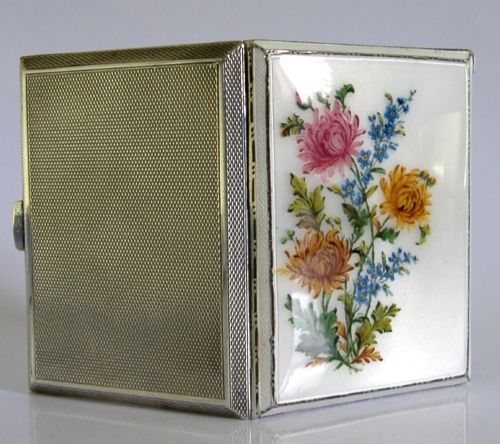
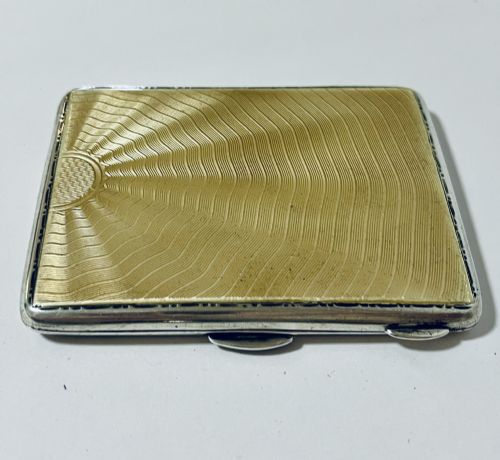
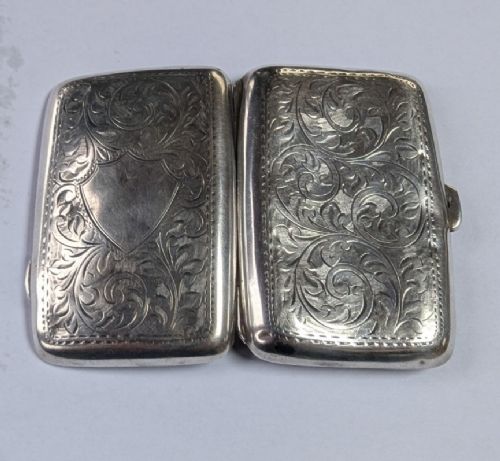
Decoration relied on traditional techniques such as engine turning, hand engraving, and chancing. Enamel work, niello, and applied gold accents added colour and contrast to the metallic surfaces.
Silver Cigarette Box Retail Price Guide 2026
Typical asking prices for silver cigarette box among the pieces listed under this phrase on Sellingantiques today, from the lower quarter to the upper quarter. They describe what is for sale here now, not the wider market.
Pieces originate from English, Russian, Indian, and Chinese workshops dating from the nineteenth century onward.
What Varies in Quality
The weight and thickness of the silver plate dictate the physical substance of the piece. Heavier gauge metal resists denting and provides a more substantial feel in the hand.
Precision in the hinge mechanism and the tightness of the lid closure separate standard production from superior output. Well-fitted lids preserve tobacco better and demonstrate the skill of the original maker.
The complexity and execution of surface decoration determine the tier of an object. Hand-painted enamel, intricate niello work, and crisp engine turning require advanced artisan skill compared to plain or lightly stamped surfaces.
Mappin & Webb·Sampson Mordan·Wang Hing & Co·A & J Zimmerman Ltd·William Comyns and Sons Ltd·Goldsmiths and Silversmiths Co·Robert Pringle & Sons·Walker & Hall
The Silver Cigarette Box Glossary
- Engine turning
- A mechanical decoration technique that cuts geometric patterns into metal surfaces using a lathe. This method creates precise, repetitive textures common on twentieth-century smoking accessories.
- Hallmark
- A series of official marks stamped on precious metals indicating the standard of purity, the assay office, and the date letter. These symbols authenticate the origin and age of silver items.
- Niello
- A black metallic alloy used as an inlay on engraved silver surfaces. The dark contrast highlights pictorial designs and lettering.
- Compendium
- A larger container holding multiple smoking requisites such as matches, cigars, and cigarettes in fitted compartments. These comprehensive sets often sit permanently on desks or smoking tables.
- Shagreen
- Undyed sharkskin or rayskin with a granulated texture utilised to cover luxury boxes and cases. The distinctive hide appeared frequently on Art Deco luxury goods.
Silver Cigarette Box: Frequently Asked Questions
What are cedar linings used for?
Cedar wood interiors help regulate moisture levels inside the container. This natural timber preserves the aroma and freshness of cigars and cigarettes stored within.
Many period boxes retain their original wooden inserts, which add structural integrity and historical authenticity to the piece.
How do I date a silver box?
Assay office marks and date letters stamped onto the silver provide the most reliable chronological indicators. These small punches reveal the exact year and city of testing.
Stylistic cues, such as geometric Art Deco lines or floral Edwardian engraving, offer secondary confirmation of the period.
Can these boxes hold modern cigarettes?
Standard cigarette dimensions have changed over time, meaning older compartments may not accommodate modern packet sizes. Many historical boxes were built for shorter cigarettes or loose tobacco items.
Buyers often utilise these containers for business cards, trinkets, or contemporary filterless cigarettes that match historical proportions.
Why do some boxes have wooden bases?
Wooden bases provide weight, balance, and protection for the exterior silver shell when placed on desks. Oak and mahogany served as sturdy foundations for mounted silver cladding.
This method of construction allowed makers to produce large table boxes without employing prohibitively heavy gauges of solid silver.