
1930s Sterling Silver
When you search for 1930s sterling silver, you enter a decade defined by clean geometric lines and precise metalwork.
1930s Sterling Silver
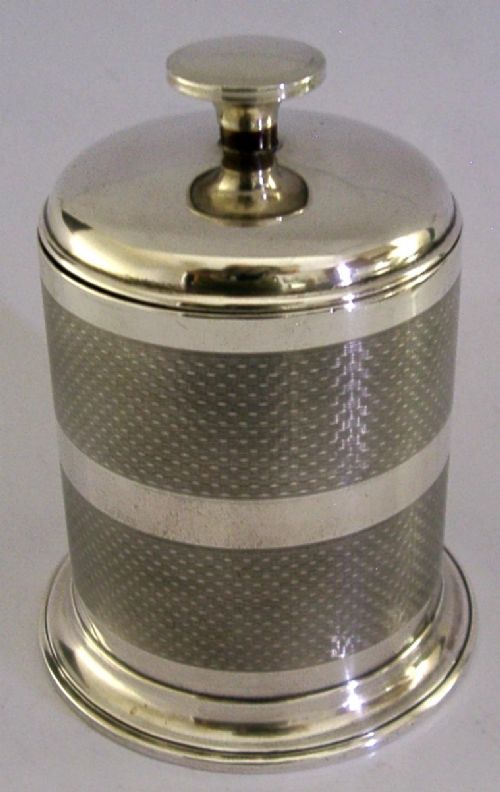
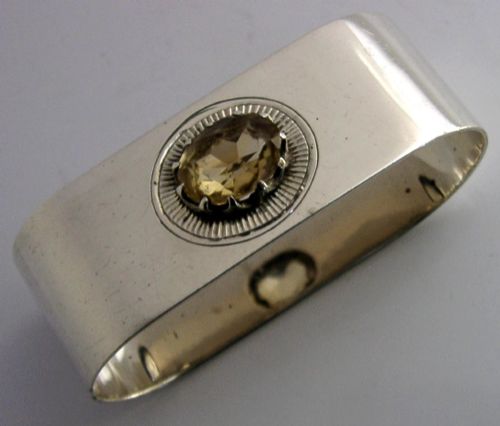
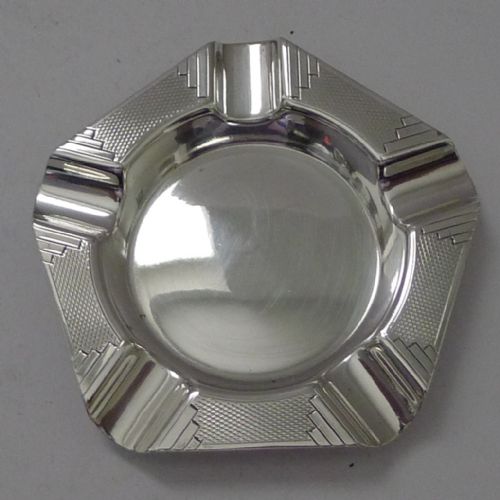
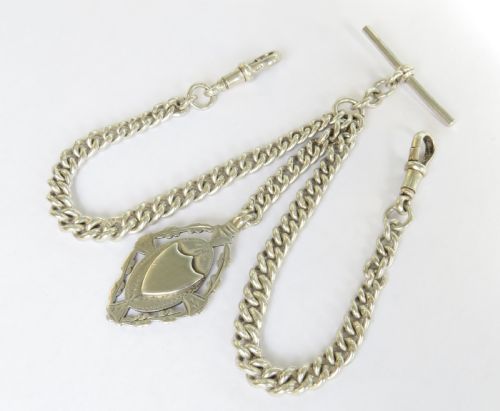
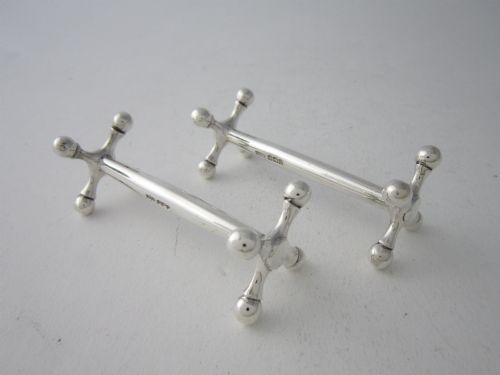
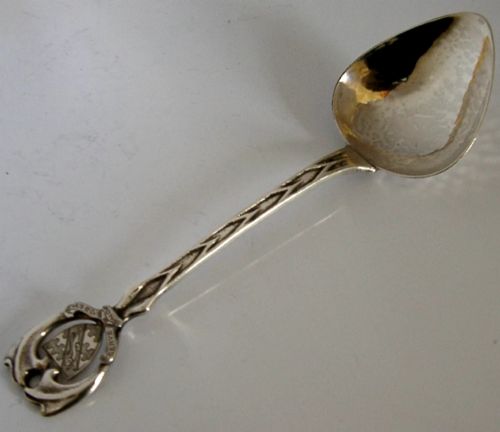
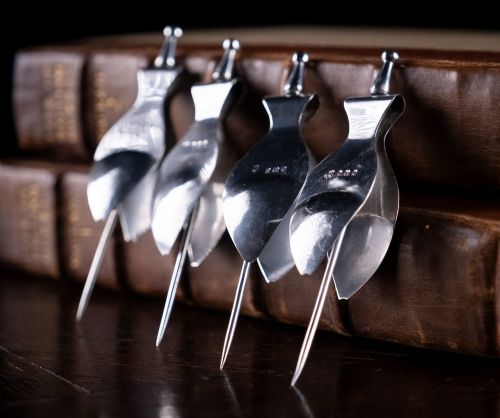
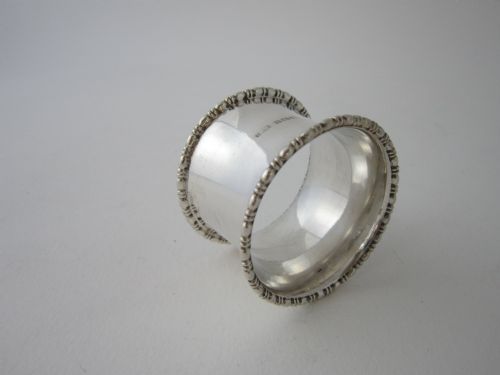
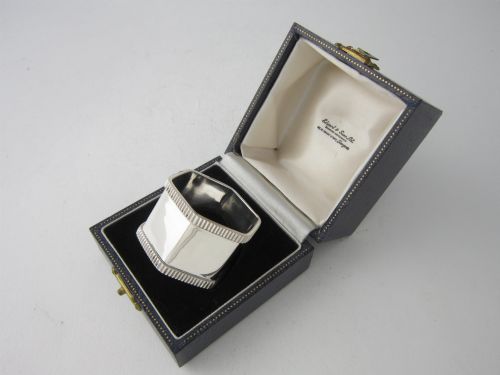
When browsing 1930s sterling silver, buyers encounter a diverse selection of tableware, smoking accessories, and personal items reflecting the aesthetics of the period. Napkin rings, cigarette cases, and vanity items dominate the forms, alongside specialised items like cocktail lemon squeezers and medicine spoons.
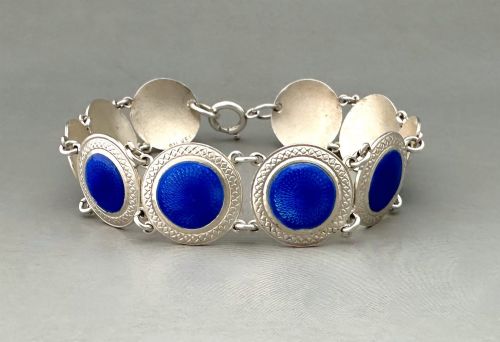
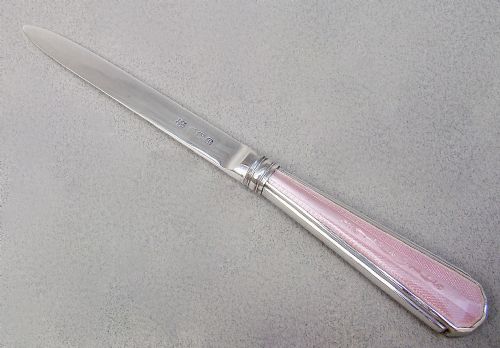
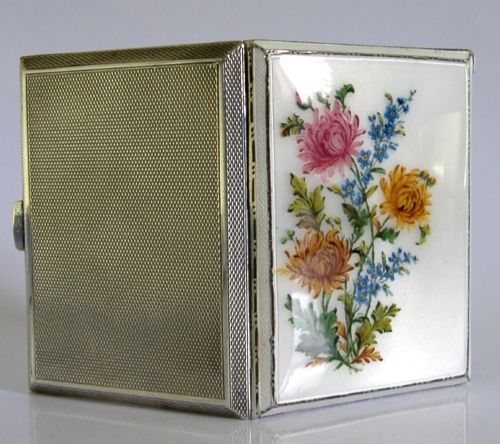
The objects frequently cross paths with Art Deco and George V styles, incorporating clean architectural shapes alongside traditional British hallmarks. Pieces range from heavy functional barware and condiment sets to delicate personal items adorned with guilloche enamel.
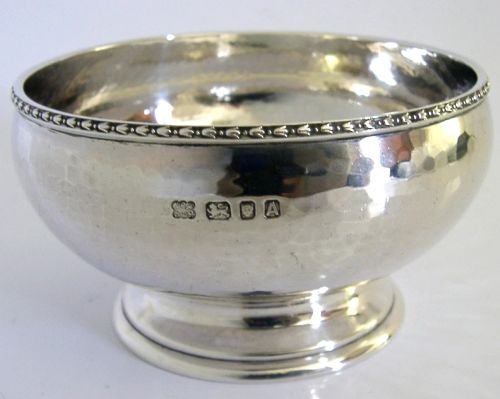
Scandinavian and British makers contribute distinct variations, from planished Arts and Crafts bowls to minimalist pendants and brooches. Buyers will frequently meet items dated across the nineteen thirties, capturing the shift from late George V through the George VI era.
Factors determining quality
The standard of 1930s silverwork hinges on the crispness of the geometric detailing and the structural integrity of hinged boxes and frames. Superior items display clean maker marks, substantial metal weight, and carefully applied enamel free from chipping.
The union of silver with secondary media, such as fitted glass inserts or inset gemstones like citrine and sapphire, dictates the refinement of the piece. Master craftsmanship shows in the balanced proportions of functional tableware and the precision of hand-engraved monograms or motifs.
1930s Sterling Silver Retail Price Guide 2026
Typical asking prices for 1930s sterling silver among the pieces listed under this phrase on Sellingantiques today, from the lower quarter to the upper quarter. They describe what is for sale here now, not the wider market.
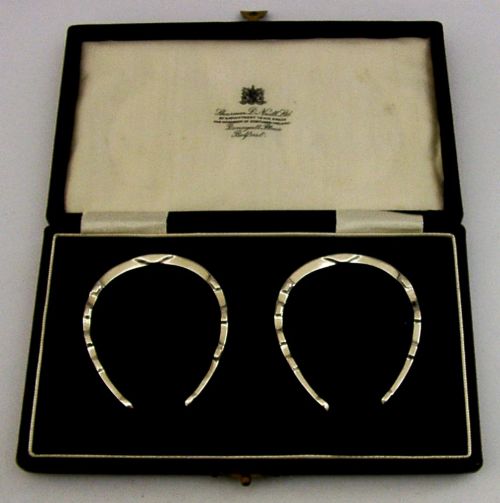
Clever foxes guard your place settings with metal menu holders, while lucky horseshoes keep your napkins in order.
Walker & Hall·Barker Brothers·Richard Comyns·Henry Williamson·Henry Perkins·William Neale·Gorham
The 1930s Sterling Silver Glossary
- Sterling silver
- An alloy consisting of ninety-two point five percent silver and seven point five percent other metals, typically copper. This standard ensures the durability required for functional tableware and personal accessories.
- Guilloche enamel
- A decorative technique where a precise geometric pattern is mechanically engraved beneath a translucent enamel layer. It frequently appears on compacts, vanity jars, and brushes from the period.
- Planished
- A metalworking finish achieved by hammering the surface with a polished round-faced tool, leaving small, controlled indentations. This method hardens the silver while creating a distinctive light-reflective texture.
- Hallmark
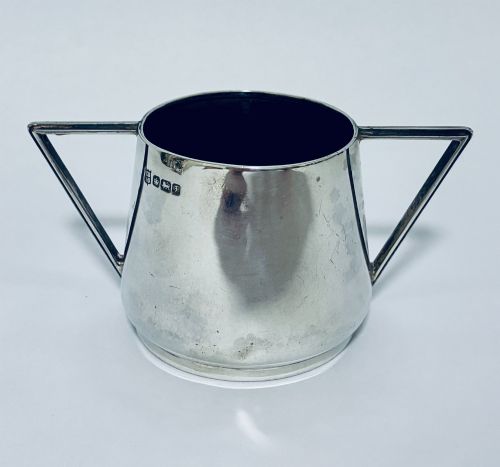
- An official stamp applied by an assay office to guarantee the purity of the metal. British pieces typically display a sponsor mark, standard mark, town mark, and date letter.
- Quaich
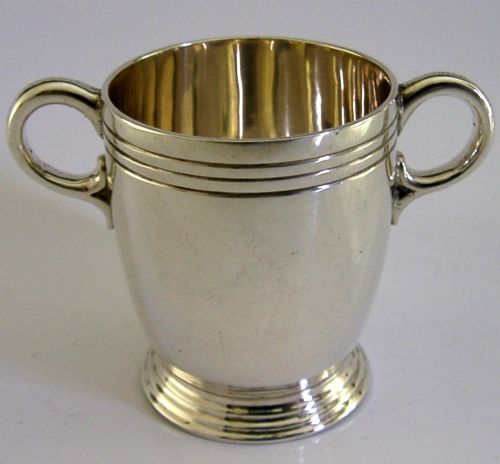
- A traditional two-handled drinking vessel originating in Scotland, adapted during this era into modern forms. It serves as a communal cup for toasts and special occasions.
1930s Sterling Silver: Frequently Asked Questions
How do I identify 1930s silver hallmarks?
British pieces carry a set of stamped marks indicating the maker, metal purity, assay office, and a specific date letter for the year of manufacture. Examining these stamps helps confirm the exact year within the decade.
Assay offices such as Birmingham and Sheffield maintained distinct regional symbols alongside the standard lion passant for sterling quality.
What is guilloche enamel?
Guilloche is a decorative technique where a metal surface is mechanically engraved with intricate repetitive patterns before translucent enamel is applied over the top. The underlying design shows through the glossy coloured coating.
This method was widely utilised on personal vanity items, compacts, and cigarette cases throughout the interwar years.
How should I care for silver and enamel items?
Silver components benefit from gentle cleaning with a specialised soft polishing cloth to maintain the shine without wearing away delicate details or hallmarks. Enamel sections require careful handling to avoid impact damage and should be kept away from harsh chemical dips.
Storing pieces in dry conditions prevents tarnishing and protects organic linings like velvet or satin.
What styles defined the 1930s?
The decade was dominated by Art Deco design, which favoured streamlined geometric shapes, symmetry, and modernist motifs. Alongside this, traditional George V and George VI revivals continued alongside lingering Arts and Crafts influences.
Scandinavian workshops also introduced minimalist aesthetics that contrasted with heavier traditional British tableware.