
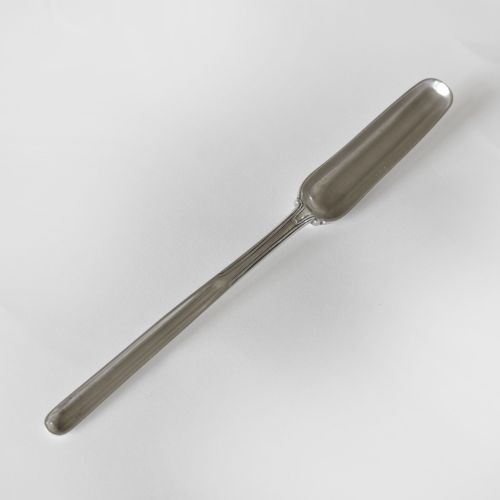


British Silver Spoon
A british silver spoon carries centuries of dining history in the palm of your hand, offering tangible craft from Georgian, Victorian, and later periods.
British Silver Spoon
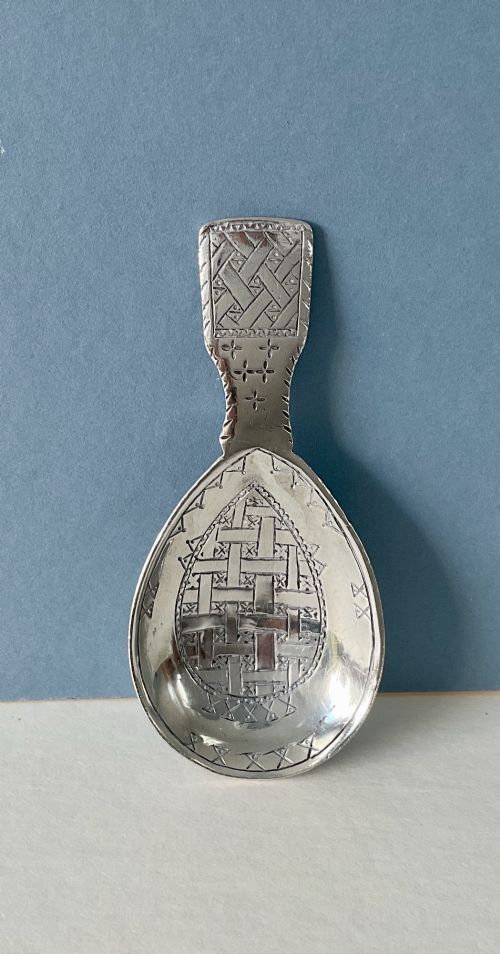
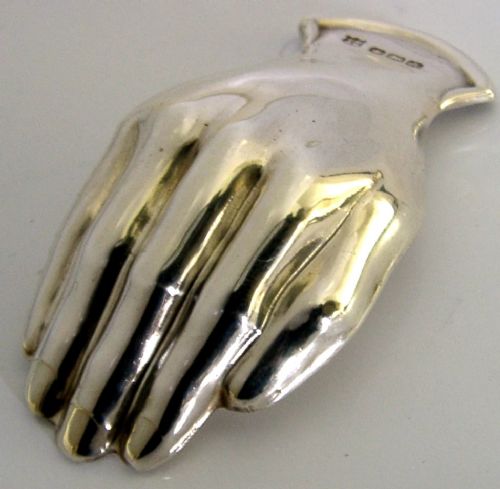
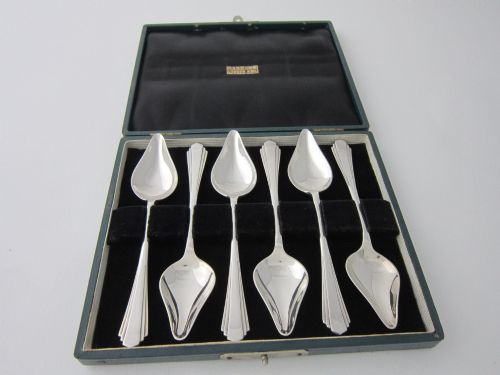
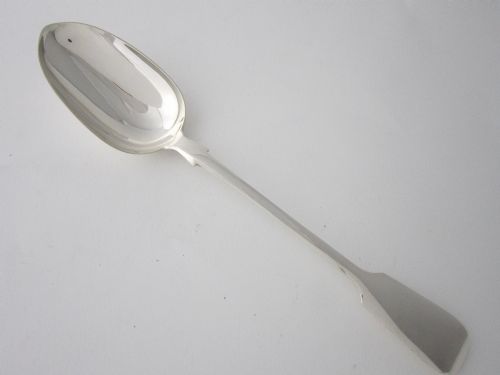
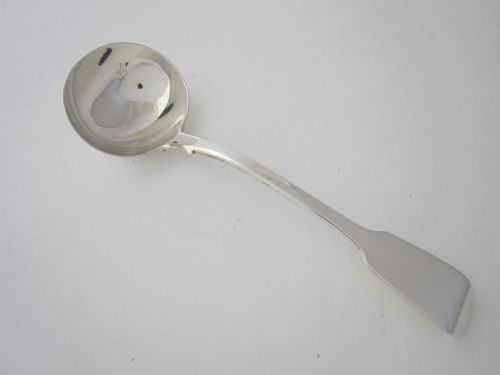
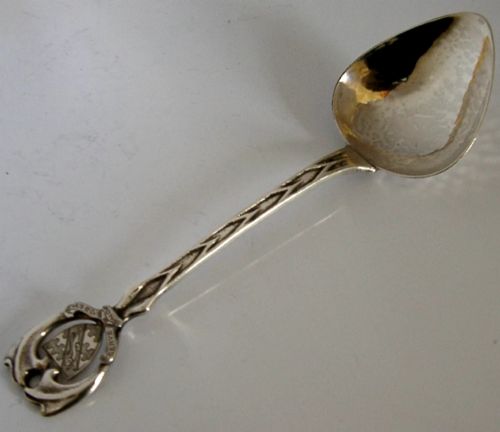
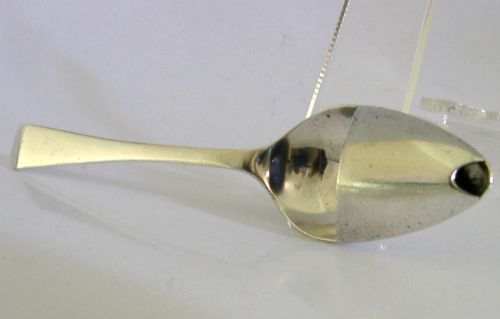
Caddy spoons and sauce ladles dominate the earlier periods, often displaying intricate hand-engraved bowls or fiddle patterns characteristic of nineteenth-century design. You also find cased sets of teaspoons, grapefruit spoons, and novelty hand-shaped tea caddy spoons from the nineteen-forties.
The materials associated with these objects extend beyond sterling silver itself, with certain cased sets including interiors lined in velvet, silk, satin, and leatherette to protect the metalwork. Each piece reflects the domestic customs and dining habits of its specific decade of manufacture.
Quality factors in silver spoons
The calibre of a british silver spoon rests on the crispness of its hallmarks, the weight of the metal, and the preservation of any engraved or chased decoration on the bowl and handle. Heavier gauge silver resists bending and maintains sharper detail across patterns like rattail or fiddle designs.
Condition is paramount, particularly regarding the integrity of enamel work on decorative club spoons or the original lining of cased sets. Pieces retaining clear maker marks and minimal wear to the bowl edges demonstrate superior original manufacture and careful ownership.
Some nineteenth-century tea drinkers apparently required a tiny silver hand to scoop their leaves.
Mappin & Webb·George Unite·Walter and John Barnard·Lawrence Coles·Worshipful Company of Harberdashers
The British Silver Spoon Glossary
- Hallmark
- An official stamp applied by an assay office to indicate the metal purity, place of origin, and year of manufacture. These small stamped symbols allow collectors to date pieces accurately.
- Caddy spoon
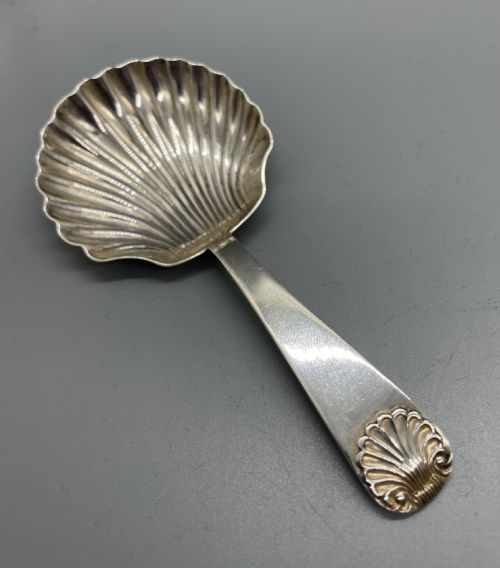
- A short-handled spoon specifically designed for measuring loose tea leaves from a caddy. They frequently feature shallow, wide bowls shaped like leaves, hands, or shells.
- Fiddle pattern
- A nineteenth-century flatware style characterised by a stem that widens towards the terminal in a shape resembling a violin or fiddle. It remains a common find in Victorian serving pieces.
- Marrow scoop
- A narrow, elongated utensil with trough-like ends used historically for extracting bone marrow. Examples in sterling silver date back through the eighteenth and nineteenth centuries.
- Rattail
- A slender ridge of metal extending from the handle down the reverse side of the spoon bowl. This feature reinforces the joint between the stem and the bowl on early pieces.
British Silver Spoon: Frequently Asked Questions
What is a silver caddy spoon used for?
A caddy spoon measures loose tea leaves from a storage container into the teapot. Their compact size and decorative bowls made them popular display items in nineteenth-century parlours.
Collectors prize them for their variety of shapes, ranging from simple shovel forms to hands and scallop shells.
How do I date a british silver spoon?
You determine the age by locating the assay office marks, maker's initials, and date letter stamped directly onto the silver. Official assay records match these stamped symbols to specific years of production.
Stylistic indicators such as rattail stems or fiddle patterns also point toward broad historical periods like the Georgian or Victorian eras.
How should I store cased silver spoons?
Store cased sets in dry environments away from direct sunlight to preserve the original velvet, satin, or leatherette interior linings. Proper closure of the fitted box protects the delicate silver surfaces from dust and atmospheric tarnishing.
Avoid stacking unprotected spoons together to prevent scratching the bowls and handles.