


Edwardian Silver Trophy
An edwardian silver trophy marks a moment of sporting or social triumph, cast in solid silver or plate for the mantelpiece.
Edwardian Silver Trophy
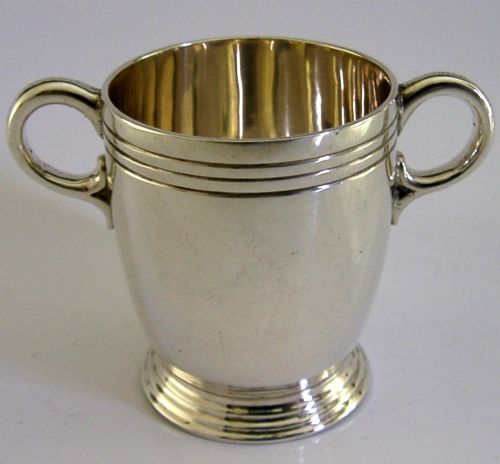
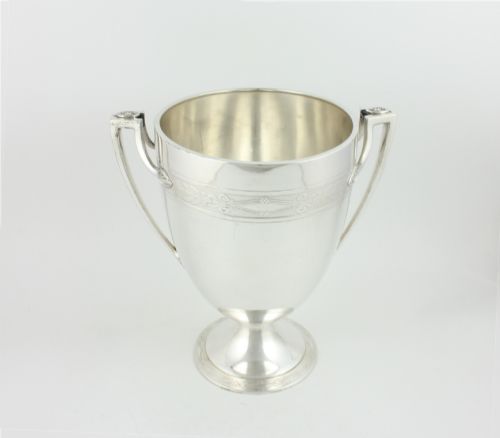
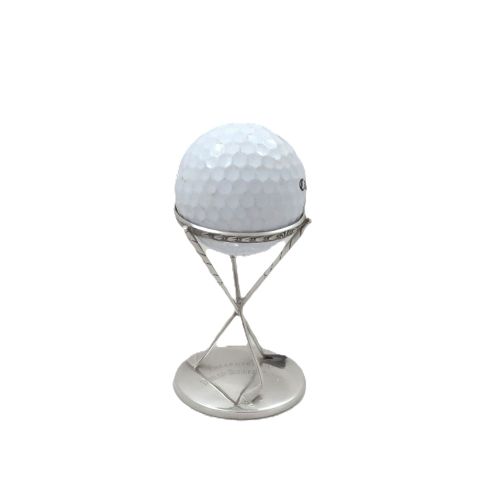
When you search for an edwardian silver trophy, you encounter presentation pieces that commemorate athletic victories, regattas, and club competitions from the early twentieth century. The selection ranges from miniature cups and twin-handled bowls to specialised sports prizes like golf ball stands and curling medals.
You are most likely to meet standard trophy cups alongside presentation bowls mounted on oak bases. These items often bear engraved inscriptions detailing specific races, clubs, and dates from the Edwardian period and adjacent decades.
The objects extend beyond traditional vessels into novelty cups, loving cups, and hunting prizes incorporating taxidermy or specialised details. Their origins span English makers alongside continental European pieces, reflecting diverse regional tastes in competitive presentation.
Materials and Craftsmanship
These items are constructed primarily from sterling silver and silver plate, frequently complemented by gilt interiors, enamel highlights, and rose gold details. Many bowls and presentation pieces combine metalwork with wooden components such as oak bases or ceramic inserts.
Silversmiths utilised traditional techniques of raising, casting, and chasing to form the bodies and handles of the cups. Engraving was standard practice for recording the presentation details, club names, and winning dates directly onto the metal surface.
Competition winners occasionally took home an otter foot mounted as a brooch or a deer hoof transformed into a table lamp.
Evaluating Quality
The distinction between standard production and exceptional work rests on the weight of the metal and the complexity of the design. Heavier gauge silver and substantial holloware indicate higher grade commissions compared to thin plated alternatives.
Artistry in the handles, cast mounts, and crispness of the hand-engraving separate basic presentation items from those produced by premier silversmiths. The inclusion of specialised decorative elements, such as dragon handles or fitted wooden plinths, elevates the piece.
Christofle·David McGregor Perth·Joseph Rodgers And Sons·William Hutton·Mappin And Webb
The Edwardian Silver Trophy Glossary
- Sterling silver
- A silver alloy containing 92.5 percent pure silver by mass, standard for quality British tableware and trophies. This metal purity is often verified by traditional hallmarks stamped into the surface.
- Silver plate
- A base metal substrate coated with a thin layer of pure silver. This technique allowed larger presentation pieces to be manufactured more affordably.
- Holloware
- Tableware and decorative items such as cups, bowls, and goblets formed from sheet metal. These pieces require skilled raising and shaping by the silversmith.
- Hallmark
- An official stamp applied by an assay office to indicate metal purity, origin city, and date of manufacture. These marks provide definitive historical context for antique silver.
- Loving cup
- A large drinking vessel equipped with two or three handles, traditionally passed among guests at banquets. In sporting contexts, it served as a prestigious team prize.
Edwardian Silver Trophy: Frequently Asked Questions
What were edwardian silver trophies used for?
These pieces served as prizes for sporting events, agricultural fairs, and community competitions. Organisers awarded them to winners of golf tournaments, rowing regattas, cricket matches, and motoring rallies.
Winning recipients displayed the engraved vessels in clubhouses and homes to commemorate their competitive achievements. The inscriptions frequently record the specific date, event name, and victorious participant.
How can I tell an Edwardian piece from a Victorian one?
Edwardian pieces date from the reign of King Edward VII between 1901 and 1910, though manufacturers continued similar styles into the 1920s. Hallmarks containing the specific date letter for this decade provide the most reliable chronological evidence.
Stylistic shifts also help distinguish the periods, as Edwardian items frequently display lighter Neo-Renaissance or early Art Nouveau influences. Victorian sporting silver tends to feature heavier, more ornate ornamentation.
Are these trophies made of solid silver or plate?
The listings include both solid sterling silver and silver plate over a base metal foundation. Hallmarks stamped directly into the metal indicate when a piece meets sterling standards.
Silver-plated items provide similar decorative presence at a different weight and material cost. Examining the hallmarks or testing the metal clarifies the exact composition.
How do I care for antique silver trophies?
Preserving the metal requires gentle cleaning with specialised silver cloths and non-abrasive polishes. Avoiding harsh chemical dips prevents damage to the original surface and any engraved details.
Displaying the items away from direct sunlight and excessive humidity protects attached wooden bases and ceramic components. Regular handling with clean hands minimises tarnish accumulation.