





Antique Medical Silver
Antique medical silver brings together practical healing tools and the finest precious metalwork from the seventeenth century to the nineteen thirties.
Antique Medical Silver
When you search for antique medical silver, you encounter functional objects that served doctors, patients, and military personnel across several centuries. The selection spans domestic nursing items like pap boats and medicine spoons alongside professional instruments such as tongue depressors, bleeding bowls, and travelling kits.
You are most likely to meet Victorian and Edwardian medicine spoons or folding spoons made of sterling silver, alongside Georgian tongues depressors and seventeenth century bleeding bowls in Britannia standard silver.
The forms range from small personal pill dispenser boxes and plaster case holders to significant clinical silver bowls and cased fleams used for blood letting.
How they were made
Silversmiths utilised sterling silver and Britannia standard silver for the bodies of these medical objects, often combining the metal with tortoiseshell, glass, steel, and vermeil finishes. Certain items incorporate enamel work or hinge mechanisms to allow folding elements in pockets.
Makers shaped the silver through hammering, casting, and piercing, adding engraved inscriptions and hallmarks to record the assay office, date, and maker's mark.
Antique Medical Silver Retail Price Guide 2026
Typical asking prices for medical silver among the pieces listed under this phrase on Sellingantiques today, from the lower quarter to the upper quarter. They describe what is for sale here now, not the wider market.
What varies in quality
The standard of these pieces depends upon the crispness of the hallmarks, the integrity of any hinges or folding actions, and the survival of the original gilding or vermeil. Simpler domestic spoons contrast with complex travelling kits and specialised surgical instruments.
The reputation of the maker, such as Sampson Mordan or Taylor and Perry, elevates certain medical items far beyond standard utilitarian production.
Taylor and Perry·Henry Holland·Sampson Mordan·Charles Murat
The Antique Medical Silver Glossary
- Pap boat
- A small, shallow, boat-shaped vessel with a lip, used in Georgian times for feeding liquid nourishment or medicine to infants and invalids. These domestic silver items often double as medical collectibles.
- Fleam
- A lancet or instrument used for opening a vein in blood letting, frequently housed in a fitted silver case during the William IV period. It represents the surgical side of early medical silver.
- Bleeding bowl
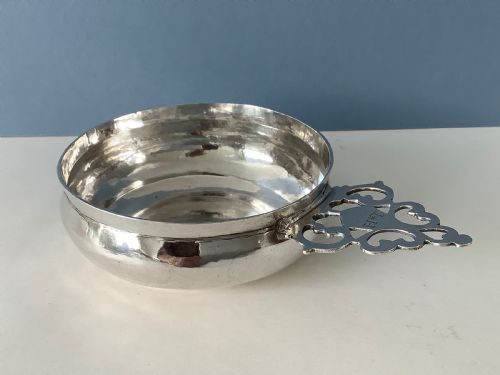
- A shallow bowl with a flat handle, produced in Britannia standard silver around the turn of the seventeenth and eighteenth centuries to collect blood during medical procedures.
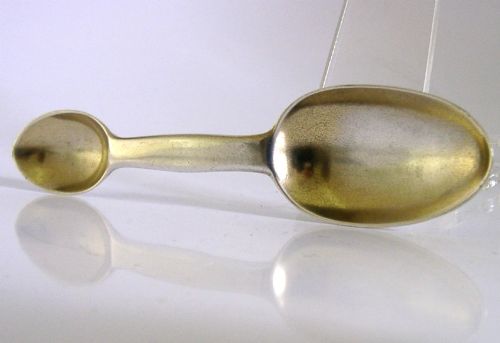
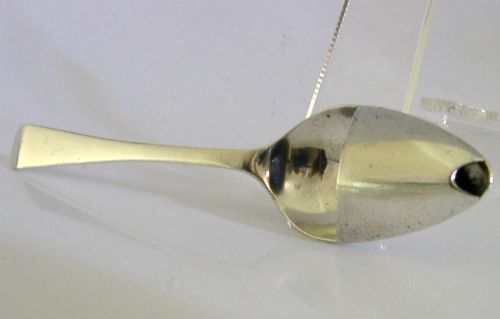
- Medicine spoon
- A specialised spoon featuring a covered bowl or graduated measurements, designed for administering liquid pharmaceuticals accurately during the Victorian and later eras.
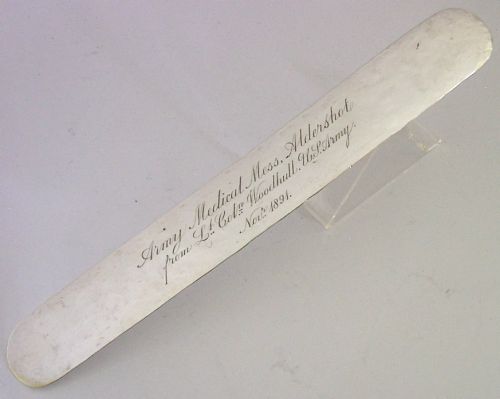
- Tongue depressor
- A flat, rigid metal instrument utilised by doctors to press down the tongue during throat examinations, often forged in sterling silver during the Georgian and Victorian periods.
Antique Medical Silver: Frequently Asked Questions
What is antique medical silver?
Antique medical silver comprises personal and professional instruments, tools, and containers fashioned from silver by doctors and apothecaries between the seventeenth and twentieth centuries.
These objects range from domestic medicine spoons and pap boats to surgical tongue depressors, bleeding bowls, and complete travelling kits.
How were medicine spoons used?
Medicine spoons were utilised by physicians and nurses to measure and administer liquid drugs precisely to patients at home or in hospitals.
Many examples feature lidded bowls or folding handles designed to prevent spills and fit easily into a doctor's pocket or medical bag.
How do I identify the date?
Hallmarks stamped directly onto the silver surface provide the most reliable evidence for dating these medical items through specific town marks and date letters.
Matching the maker's mark and style against recorded assay office registers reveals the exact year of manufacture.