
Antique Sterling Silver Spoon
An antique sterling silver spoon brings centuries of refined dining and domestic ritual straight to the table.
Forms and Origins
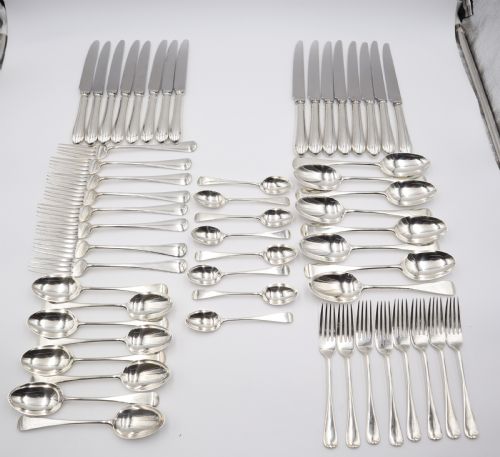
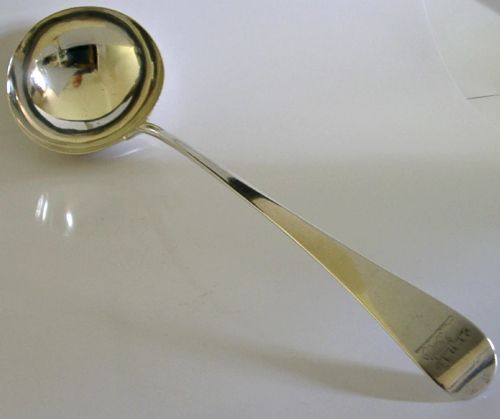
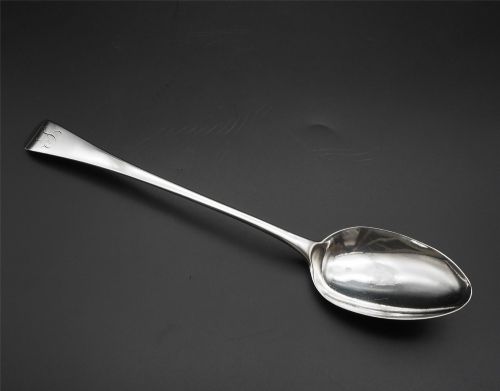
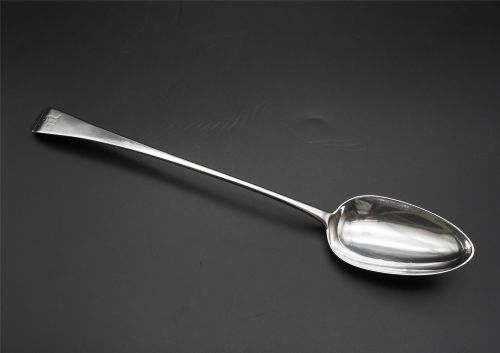
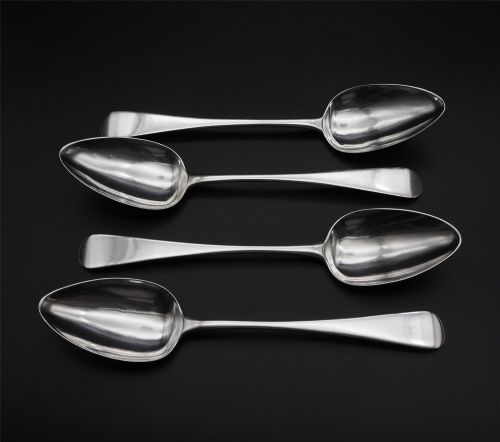
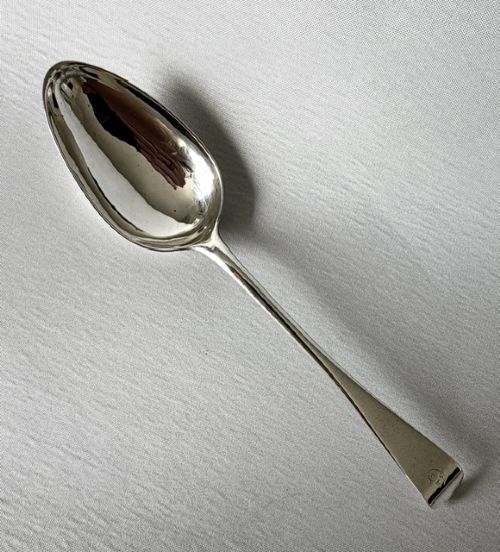
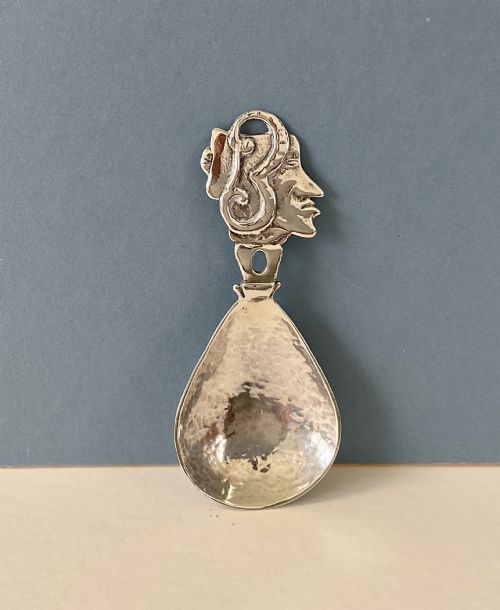
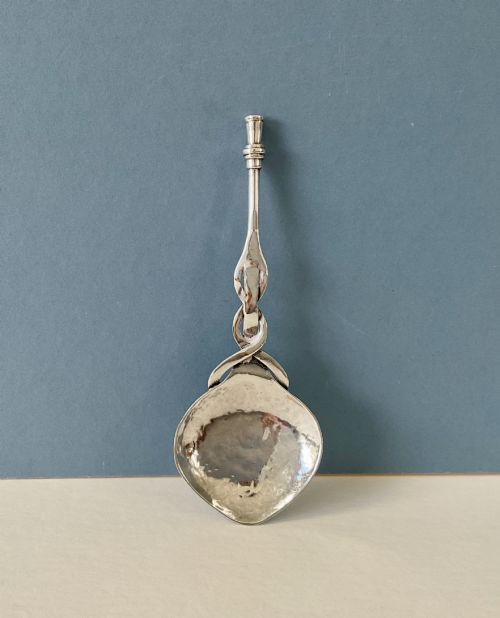
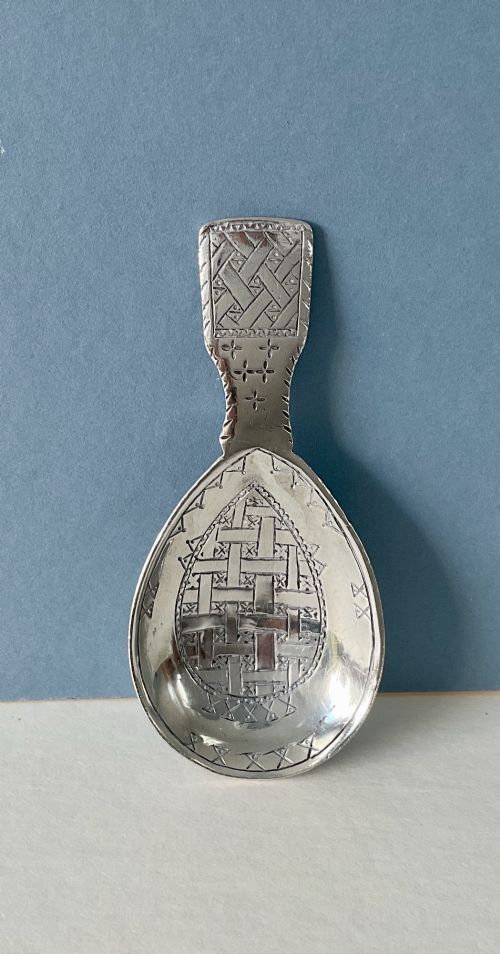
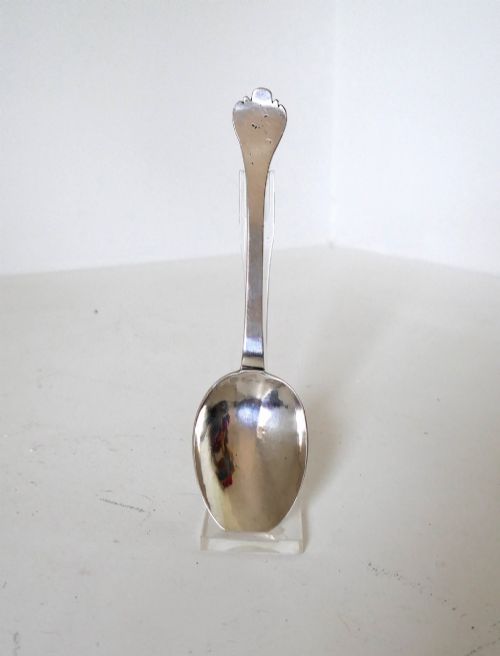
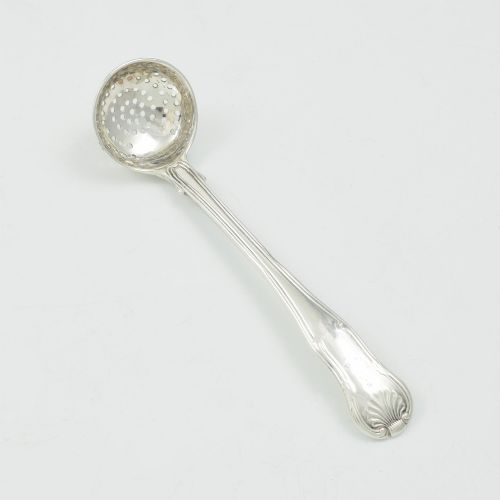
When someone searches for an antique sterling silver spoon, they encounter everything from domestic tea caddy spoons to large serving implements spanning the eighteenth and nineteenth centuries. The Georgian and Victorian periods supply much of the flatware found here, alongside specialised caddy spoons, sifter spoons, and novelty pieces.
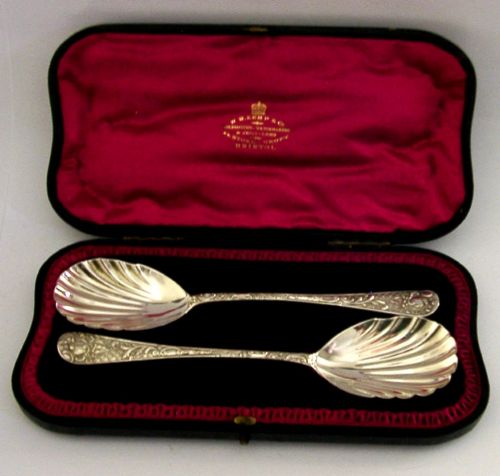
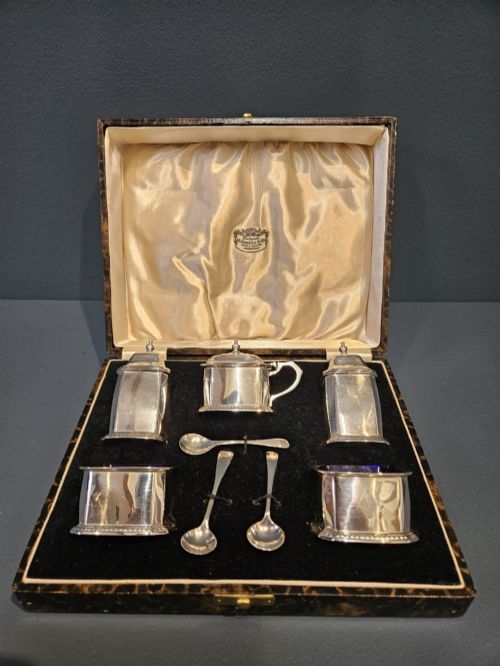
Serving spoons and delicate tea caddy spoons dominate the selections, often appearing as matched pairs or within fitted presentation cases. Buyers frequently meet pieces bearing the hallmarks of London, Glasgow, or regional British assay offices, representing the core domestic output of past centuries.
Materials and Techniques
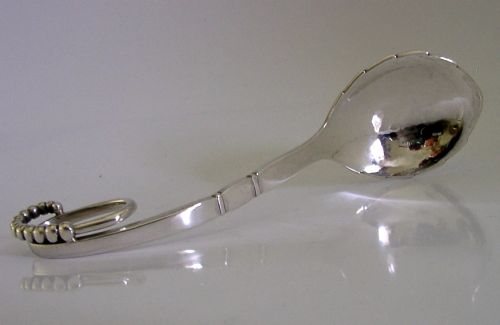
These items utilise solid sterling silver, occasionally accented with parcel-gilt finishes or shaped through planishing techniques typical of the Arts and Crafts movement. Makers employed traditional casting, hammering, and hand-engraving methods to shape the metal into functional flatware and ornamental tea caddy spoons.
Detailed decoration such as bright-cutting, piercing, and chased bird or berry motifs required patient handwork by skilled silversmiths. Structural components like fiddle and thread handles or cast apostle finials demonstrate the high level of technical competency applied to everyday and ceremonial dining utensils.
Retail Price Guide 2026
Typical UK retail prices for sterling silver spoon, calculated from the Sellingantiques database of over a million retail prices indexed since 2003. This retail price guide relies exclusively on Sellingantiques data; no external sources or auction records are used, so the figures do not describe the wider market.
The listings on this site demonstrate a strong concentration of Georgian and Victorian eras, featuring sterling silver tea caddy spoons and serving spoons.
Distinctions in Execution
The division between standard flatware and superior examples rests upon the crispness of the hand-engraving and the structural integrity of chased decorative motifs. Superior pieces retain deep relief work on fruit and foliage designs without softening from extensive polishing over generations.
Weight and balance significantly separate the range, as heavier gauge silver provides a substantial feel in the hand that lighter commercial production lacks. Furthermore, the clarity of stamped hallmarks and the inclusion of original fitted cases elevate certain examples well above standard utilitarian items.
Bateman·Walker and Hall·Liberty and Co·Sandheim
The Antique Sterling Silver Spoon Glossary
- Sterling silver
- An alloy consisting of ninety-two point five percent silver and seven point five percent other metals, usually copper, chosen for durability in tableware. This standard has served as the baseline for British hallmarked silver for centuries.
- Caddy spoon
- A short-handled spoon specifically designed for measuring loose tea leaves from a caddy into a teapot. These often feature decorative bowls shaped like leaves, shells, or jockey caps.
- Berry spoon
- A large serving spoon, often Georgian, retroactively chased and embossed with fruit and foliage motifs during the Victorian era. The bowls typically display rich, textured arrangements of berries and leaves.
- Bright-cut engraving
- A surface decoration technique utilising faceted cuts made with a graver to reflect light from various angles. This method produces crisp, geometric or floral patterns along the edges of spoon stems.
- Assay office
- An official organisation charged with testing the purity of precious metal items and applying hallmark stamps. Towns such as London and Glasgow maintained active offices to certify local silversmiths' work.
Frequently Asked Questions
How do I clean my silver spoon?
Wash the silver gently in warm water with a mild, phosphate-free liquid soap and dry it immediately with a soft cotton cloth. Avoid abrasive pastes or harsh chemical dips that strip away the natural patination built up over decades.
Store the items in tarnish-resistant cloth rolls or dry enclosed cabinets away from direct sunlight and rubber materials. Regular, gentle handling prevents heavy tarnish accumulation and preserves the crisp details of the engraved decoration.
Can I use these spoons daily?
Solid sterling silver flatware is durable enough for regular dining use provided it is washed by hand rather than placed in an automatic dishwasher. The harsh detergents and intense heat of modern dishwashing machines can pit the silver and ruin delicate gilt finishes.
Owners often enjoy using antique tea caddy spoons or serving pieces for special occasions to connect with historical domestic traditions. Mindful handling ensures these functional items remain structurally sound for future generations.
What does a hallmark tell me?
British hallmarks typically indicate the standard of silver purity, the specific assay office responsible for testing, and a date letter corresponding to the year of manufacture. Additional marks often include the maker's registered stamp and duty marks required during specific historical tax periods.
Learning to read these tiny stamped symbols allows collectors to trace an item's exact geographic origin and production year with absolute precision. Reference books match the variable font shapes of date letters to specific active years.
Why are some caddy spoons shaped like shells?
Silversmiths drew inspiration from natural organic forms during the Georgian and Victorian eras, matching the domestic utility of tea preparation with playful maritime aesthetics. Shell bowls provided a practical scoop shape while offering rich surface areas for decorative ribbing and engraving.
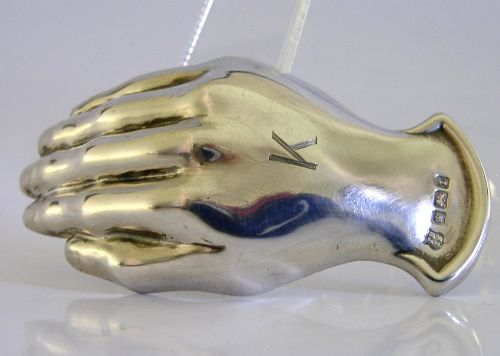
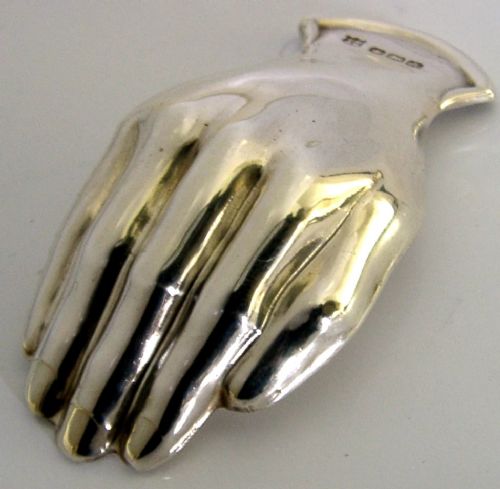
These novelty designs transformed a mundane kitchen implement into a conversation piece displayed alongside tea service equipment. Artisans expanded this imagination into hands, leaves, and jockey caps.