


Georgian Tea Scoop
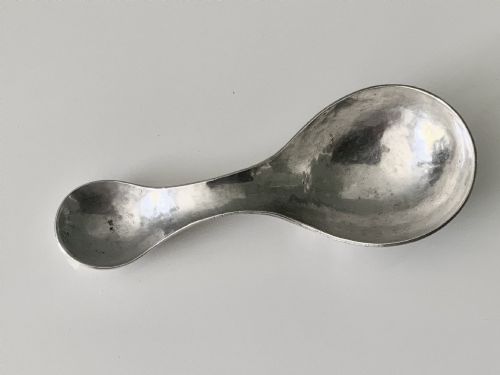
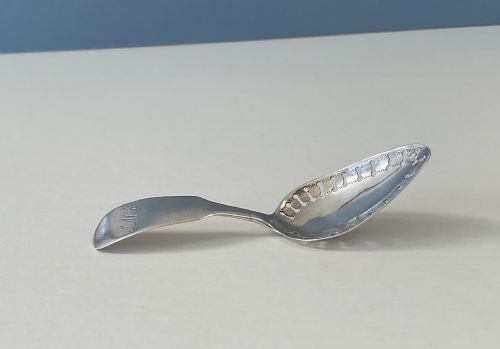
A georgian tea scoop is a small silver implement designed for measuring dry leaf tea, prized for its intricate bowl shapes and tactile handle forms.
Georgian Tea Scoop
A georgian tea scoop primarily takes the form of a caddy spoon, encountered in numerous regional variations across the British Isles from London, Birmingham, Glasgow, and Ireland. These pieces emerge predominantly from the Georgian period, alongside related examples spanning the 18th Century, 19th Century, Regency, Edwardian, and later 1900 and 1960 periods.
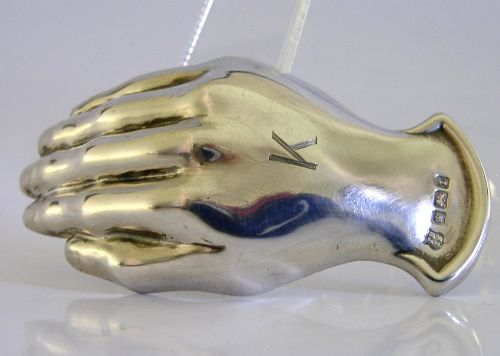
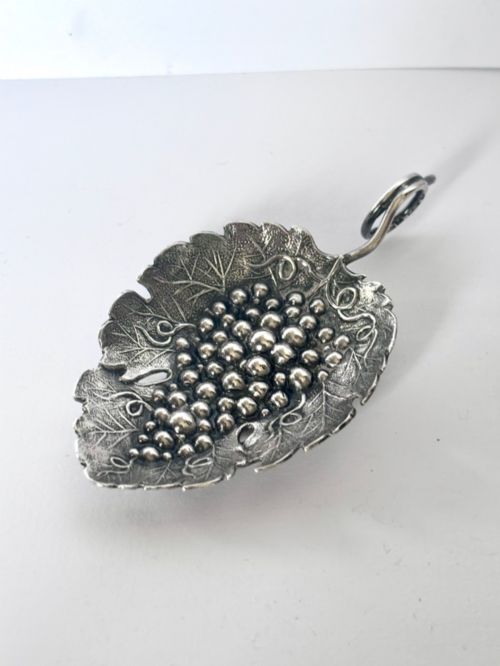
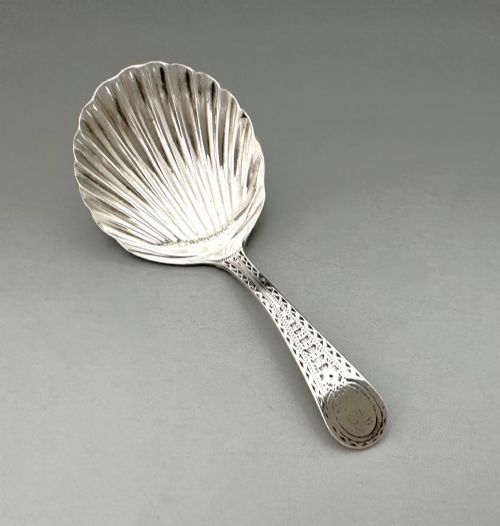
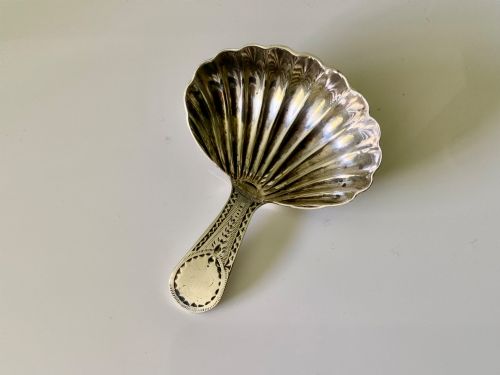
The dominant forms span utilitarian shovel designs and novelty shapes such as vine leaves with grapes, shells, and jockey caps. Buyers will frequently find sterling silver constructions, occasionally enhanced with parcel-gilt or silver-gilt finishes inside the bowl.
Makers produced these implements to accompany tea caddies of the era, reflecting the rising social importance of tea consumption. Collectors navigate a landscape ranging from plain engraved handles to double struck patterns and detailed novelty items.
What varies in quality
The distinction between standard examples and superior pieces rests on the complexity of the form, such as the sculptural ambition found in novelty leaf, cap, or shell designs versus plain shovel bowls. Crispness of the hand engraving and the depth of the double struck ornamentation determine the visual merit of the handle.
Geographic origin and maker attribution elevate certain pieces, particularly those bearing specific provincial marks from Glasgow or Irish workshops alongside recognised makers like Joseph Willmore or George Wintle. Preservation of the original parcel-gilt or silver-gilt surface within the bowl likewise separates better-surviving items from heavily polished equivalents.
Listings span the Georgian period, the 18th Century, 19th Century, Regency, and Edwardian eras, executed entirely in sterling silver, silver-gilt, and parcel-gilt.
Joseph Willmore·George Wintle
The Georgian Tea Scoop Glossary
- Caddy spoon
- A short-handled spoon specifically proportioned for measuring tea leaves from a caddy into a teapot. These small silver implements date primarily from the Georgian and Regency eras.
- Silver-gilt
- A layer of gold applied to the surface of sterling silver. This finish protected the metal from discoloration caused by damp tea leaves.
- Double struck
- A manufacturing process where the die was struck twice onto the silver blank to impart a deeper and more sharply defined pattern on both sides of the handle.
- Provincial mark
- A hallmark stamped by an assay office outside London, indicating regional British silversmithing centres such as Glasgow or Dublin.
Georgian Tea Scoop: Frequently Asked Questions
What is a georgian tea scoop used for?
These small silver spoons were designed to measure loose tea leaves from a caddy into a pot. They formed part of the formal tea service in affluent households.
Today, collectors use them as decorative display items or retain them alongside antique tea caddies. Their small size made them personal accessories of the tea table.
How do I identify a Georgian piece?
Examination of the hallmarks stamped on the silver provides the primary method for dating an item. Date letters, maker marks, and city symbols indicate the exact year and assay office of origin.
Stylistic cues such as shell bowls, vine leaf motifs, and engraved handles also point toward late 18th Century and early 19th Century manufacture.
Why are some bowls gilded?
Silver-gilt or parcel-gilt finishes involved applying a thin layer of gold to the interior of the spoon bowl. This prevented the silver from tarnishing when exposed to damp tea leaves.
It also added a decorative contrast of golden yellow against the bright sterling silver exterior of the handle.
Are novelty shapes authentic?
Silversmiths during the Georgian and Regency periods frequently produced novelty designs shaped like jockey caps, vine leaves, and shells. These whimsical forms were popular luxury items.
Authentic period examples exhibit period-appropriate hand engraving and matching hallmarks rather than modern casting methods.