

Antique Silver Scoop
When you search for an antique silver scoop, you are looking at functional tableware items designed for tea, marrow, cheese and sugar.
Antique Silver Scoop
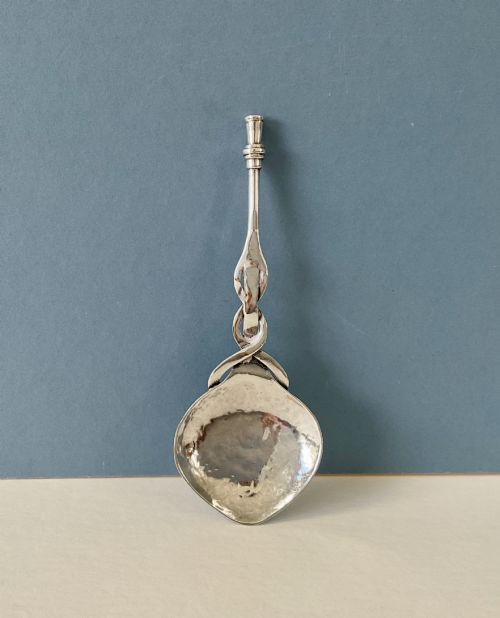
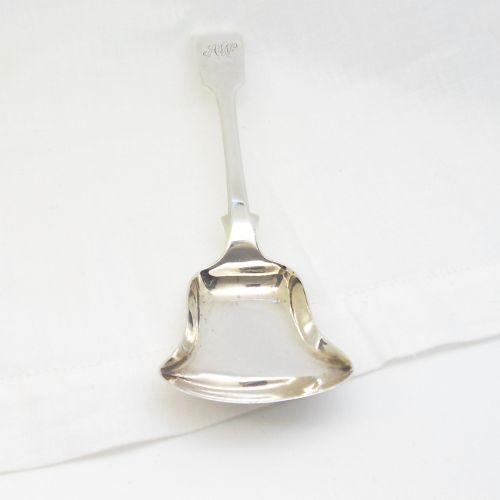
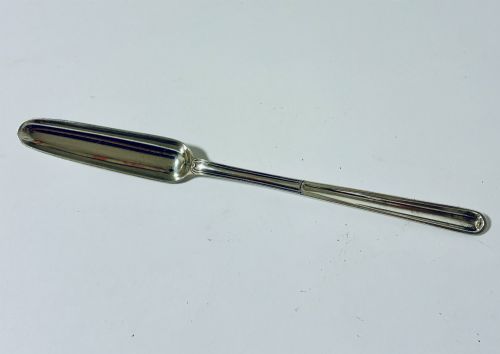
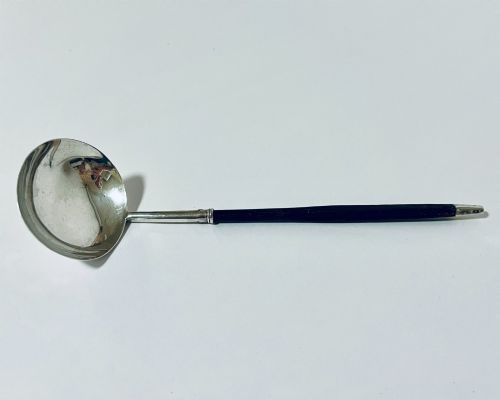
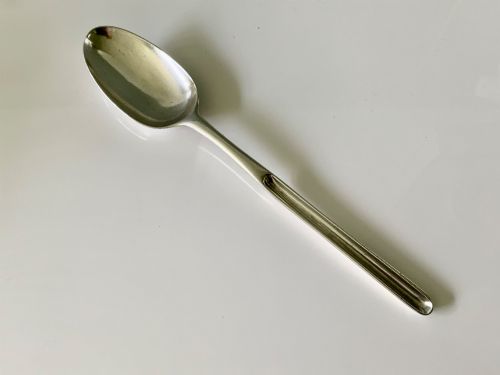
The term antique silver scoop covers a diverse group of domestic implements spanning the Georgian, Victorian and Edwardian periods. Collectors encounter small caddy spoons for dry tea leaf measurement, elongated marrow scoops for extracting bone marrow, and larger stilton or cheese scoops with wooden or mother of pearl handles.
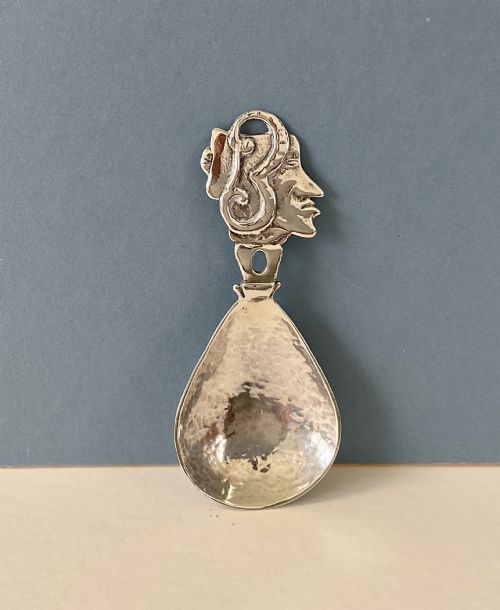
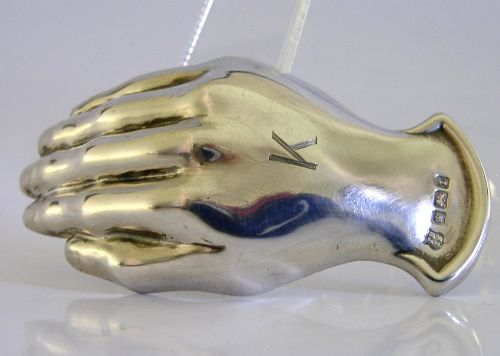
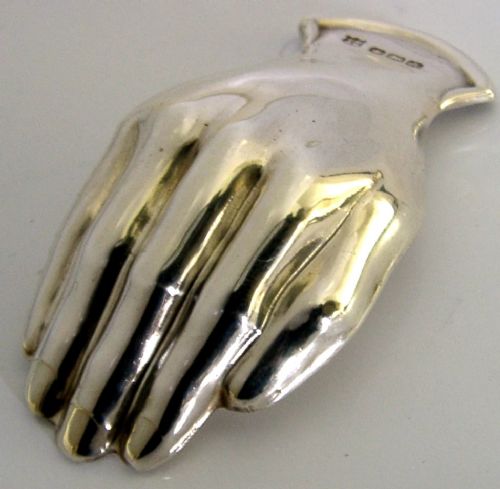
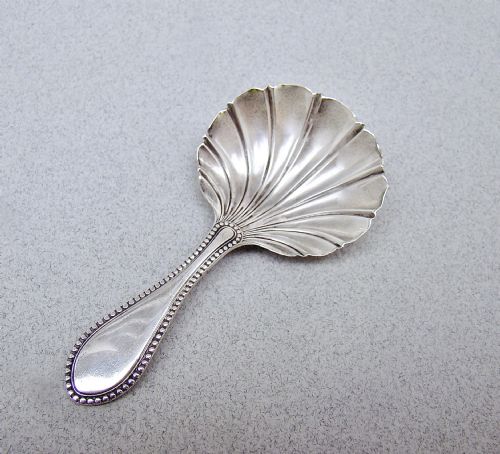
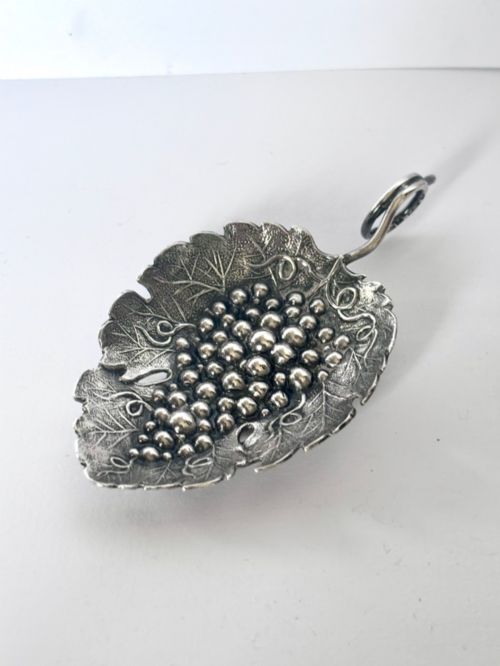
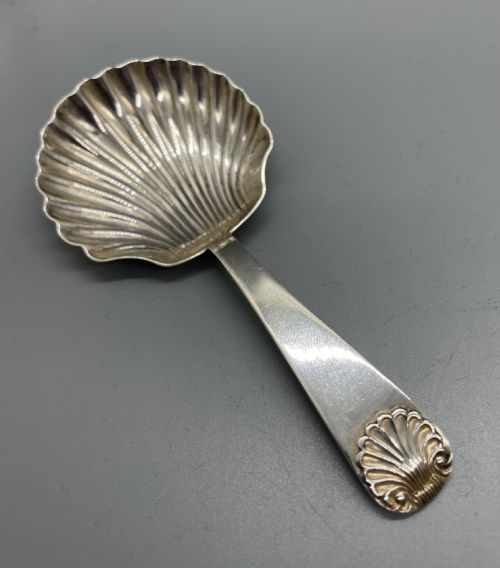
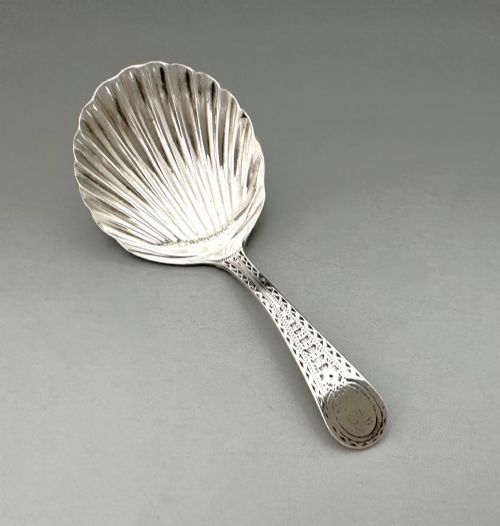
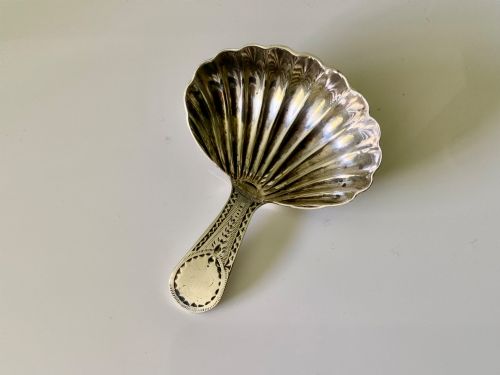
Caddy spoons dominate the smaller forms, often found in novelty shapes like jockey caps, hands, vine leaves and shells. Marrow scoops and cheese scoops provide the longer, more robust forms utilised at the dining table during the eighteenth and nineteenth centuries.
Origin points range widely across English provincial assay offices such as Birmingham and Sheffield, alongside Dublin makers and continental workshops. These utensils reflect shifts in domestic dining habits, moving from formal tea service preparations to elaborate cheese courses.
Materials and construction methods
The primary material across the pieces is sterling silver, frequently accompanied by silver gilt accents, bright-cut engraving and family crests. Selected items incorporate organic additions like mother of pearl handles, bone elements and turned wooden shafts to provide grip and contrast.
Construction techniques combine traditional smithing methods with cast ornamentation, evident in heavily chased handles and applied decorative motifs. Assay office hallmarks stamped into the metal record the year of creation, the maker's mark and the city of origin.
Factors influencing quality
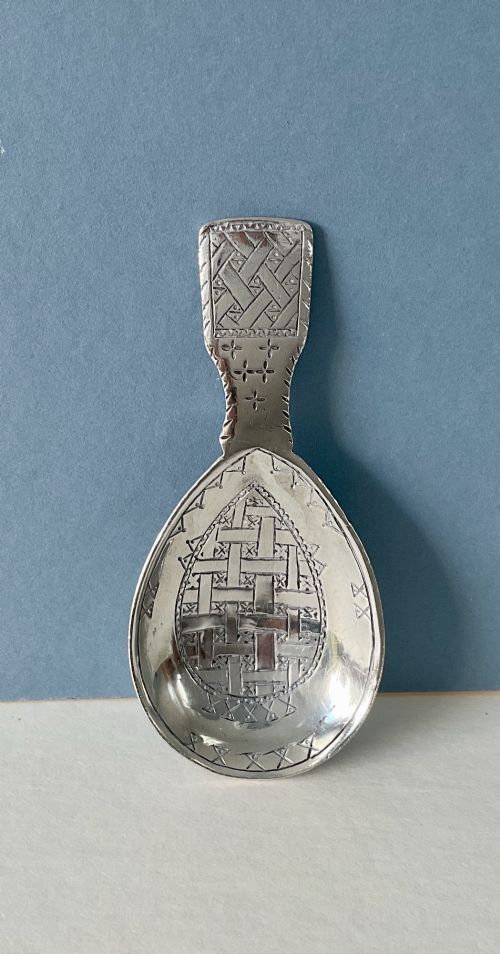
Quality rests upon the crispness of the chasing, the depth of the hand-engraving and the structural integrity of joints where handles meet bowls or scoops. Superior pieces display clear, well-struck hallmarks and balanced weight in the hand.
The cleverness of novelty forms, such as articulated fingers or detailed jockey caps, elevates certain caddy spoons above standard utility patterns. Material combinations, including undamaged mother of pearl plates and properly seated wooden handles, further distinguish finer examples.
Joseph Willmore·Martin Hall And Co·John Walton·Jonathan Hayne·William Comyns·David Andersen·Hester Bateman·George Smith
The Antique Silver Scoop Glossary
- Caddy spoon
- A small spoon specifically designed for measuring loose tea leaves from a caddy into a teapot. These bowls often take whimsical shapes such as shells or leaves.
- Marrow scoop
- An elongated, double-ended utensil featuring a narrow trough at each end for extracting marrow from animal bones. Georgian examples often bear engraved family crests.
- Stilton scoop
- A specialised implement featuring a semi-cylindrical blade used for serving hard cheeses like Stilton. Handles are frequently fashioned from turned wood or mother of pearl.
- Silver gilt
- Sterling silver that has been coated with a thin layer of gold, providing a rich yellow surface finish inside bowls and scoops. This technique enhances decorative appeal.
- Hallmark
- A series of official marks stamped onto precious metal items to guarantee the standard of purity, the maker, and the year and place of testing.
Antique Silver Scoop: Frequently Asked Questions
What is the difference between a marrow scoop and a caddy spoon?
A marrow scoop is an elongated double-ended utensil designed for extracting bone marrow during formal eighteenth and nineteenth-century dining.
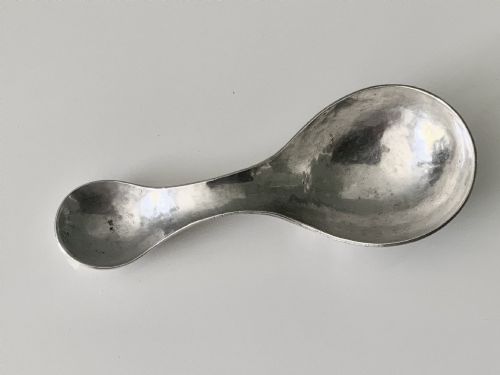
A caddy spoon is a short, wide-bowled spoon created exclusively for measuring loose tea leaves from storage containers.
How were cheese scoops used?
Cheese scoops served at the dining table for cutting and lifting portions of hard cheeses such as Stilton.
The semi-cylindrical blade allowed the user to carve neat plugs from the cheese wheel without crumbling the paste.
How do I care for antique silver scoops?
Antique silver requires gentle cleaning with a specialist silver cloth to remove tarnish without wearing away fine hallmarks or engraving.
Avoid abrasive dips or harsh scrubbing brushes that damage delicate gilt surfaces and organic handle materials like mother of pearl.
Are novelty silver scoops collectable?
Novelty scoops shaped as hands, jockey caps or insects attract strong interest from specialist collectors seeking unusual domestic silver.
Their whimsical designs reflect Victorian and Edwardian craftsmanship that went beyond simple utilitarian function.