




London Silver Spoon
A London silver spoon carries centuries of goldsmithing heritage, offering collectors functional forms fashioned from sterling metal and silver gilt.
London Silver Spoon
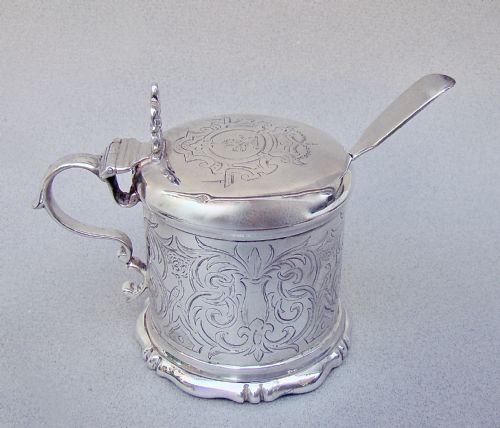
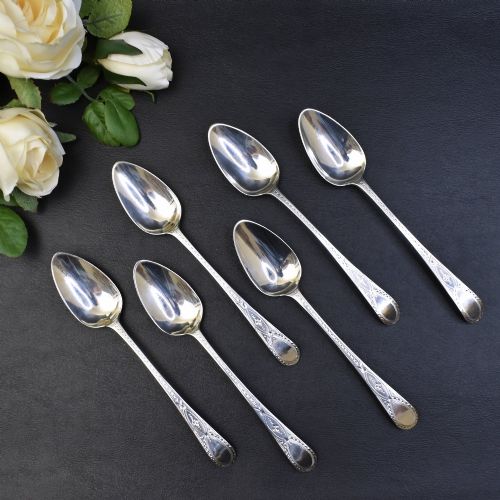
When searching for a london silver spoon, buyers encounter domestic implements spanning from the sixteenth century to the mid-twentieth century. The selection encompasses early trefid and trifid styles, Georgian bright-cut teaspoons, leaf-shaped caddy spoons, and Victorian condiment servers.
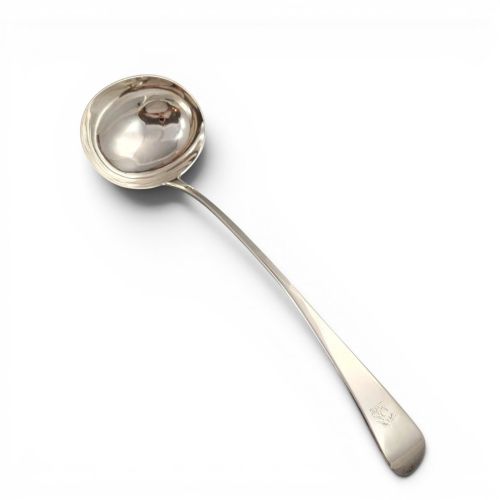
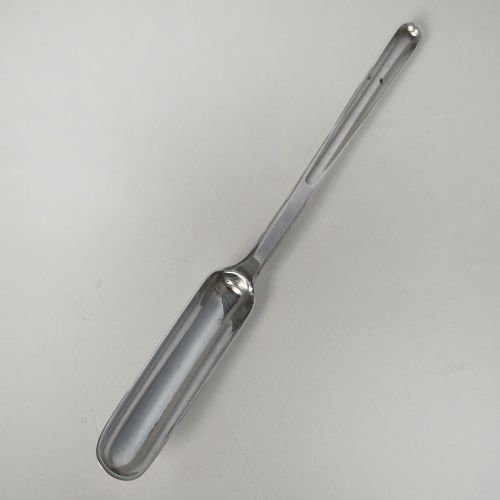
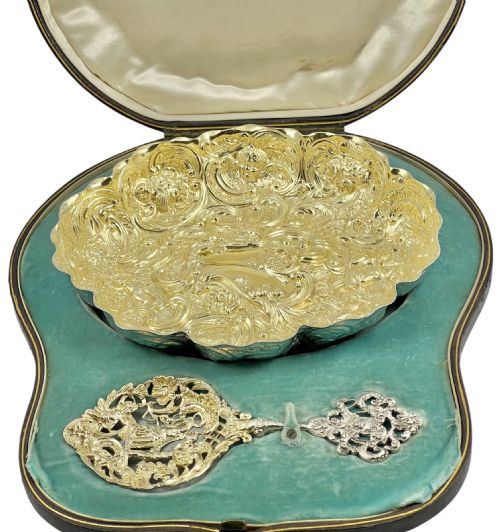
The assortment includes specialised flatware such as marrow scoops, basting spoons, and sifter spoons alongside matching cased sets. These items originate from workshops operating within the capital, bearing clear hallmarks that verify their assay office and date.
Most examples date from the Georgian and Victorian eras, reflecting the domestic habits and dining customs of those periods. Formats range from plain utilitarian designs to intricately engraved and gilt surfaces.
How they were made
Silversmiths constructed these pieces primarily from solid sterling silver or silver gilt, utilising hammering, casting, and hand-engraving techniques. Metals were worked into heavy gauges for serving implements and lighter sections for teaspoons and caddy bowls.
Decoration involved bright-cut engraving, chased motifs, and applied cast terminals such as seal tops or scroll finials. Assemblage required skilled soldering to join bowls to stems, followed by hand polishing to achieve a reflective finish.
Listings feature silver from the seventeenth century through the twentieth century, utilising sterling silver, silver gilt, enamel, and glass.
What varies in quality
Quality rests upon the crispness of the maker marks, the retention of original hand-engraving, and the weight of the silver gauge used in the stem and bowl. Thicker metal resists bending during use, preserving the structural integrity of the piece over centuries.
Design complexity and the presence of specialised ornamentation, such as leaf-shaped bowls or figural finials, distinguish ordinary utility items from masterwork creations. Surviving original leather or velvet cases also elevate an item's standing among collectors.
Charles & George Fox·Jonathan Hayne·P A W Bateman·David Andersen·Thomas Issoa·Stephen Coleman·Lawrence Coles·Daniel Cary·George Wintle·George Adams·Plucknett·Hester Bateman·William Eley I·William Fears·Thomas Wallis II·Robert Rutland·Elizabeth Morley·Smith & Hayter·William Collings·John Lambe·John Crossley·Charles Houghman·Solomon Hougham·Elizabeth Eaton·John Harris IV
The London Silver Spoon Glossary
- Hallmark
- Official stamps struck into precious metals to indicate the maker, standard of purity, assay office, and year of manufacture. These symbols provide a reliable historical record for dating individual pieces.
- Caddy spoon
- A short-handled implement designed specifically for scooping dry tea leaves from a caddy into a teapot. They frequently feature decorative leaf-shaped bowls and delicate engraving.
- Marrow scoop
- A double-ended utensil featuring narrow, trough-like channels used originally for extracting bone marrow at the dining table. Eighteenth-century examples are particularly sought after by collectors.
- Bright-cut
- An engraving technique utilising faceted V-shaped cuts that reflect light to create a sparkling geometric pattern. This style is characteristic of late eighteenth-century flatware.
- Trefid
- An early form of flatware featuring a flattened, three-lobed terminal at the end of the handle. This style dominated late seventeenth-century British silver production.
London Silver Spoon: Frequently Asked Questions
How do I clean antique silver spoons?
Wash them gently in warm soapy water using a soft cloth, avoiding harsh chemical dips that strip away desirable historical patina.
Dry thoroughly with a lint-free towel to prevent water spots and store them away from humid environments.
Are these spoons safe to use daily?
Sterling silver is durable enough for regular dining, provided you wash the items by hand rather than placing them inside an automated dishwasher.
Older serving pieces with hollow handles or delicate gilding benefit from more careful, occasional handling.
What do the leopard head marks mean?
The leopard head symbol indicates that an item was inspected and hallmarked specifically at the London assay office.
Combined with date letters and maker initials, this stamp confirms the geographic origin of the workshop.
Why do some spoons have gilt finishes?
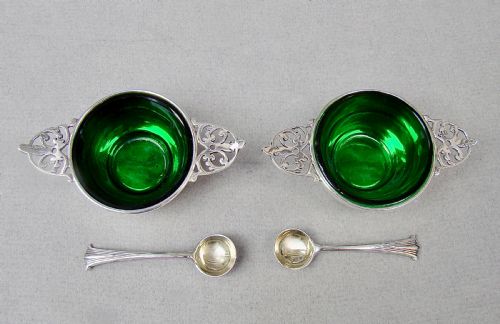
Silver gilt, or vermeil, involves applying a thin layer of gold over the solid sterling silver base to enhance appearance and prevent tarnish.
This treatment was frequently applied to sugar sifters, caddy spoons, and dessert services intended for display.