



18th Century Silver Scoop
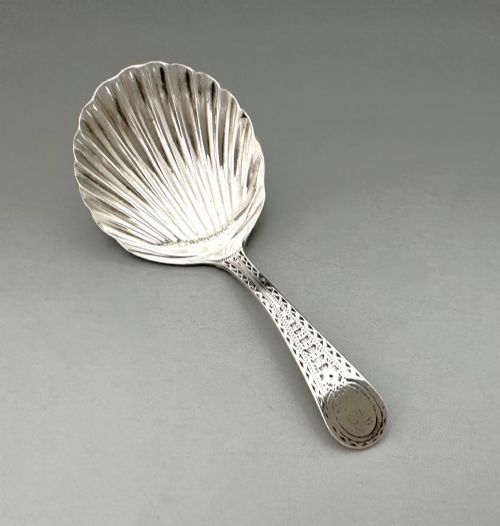
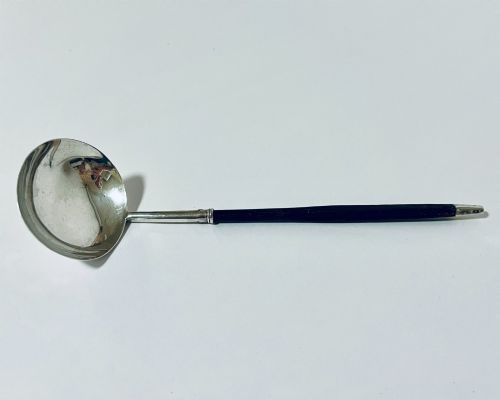
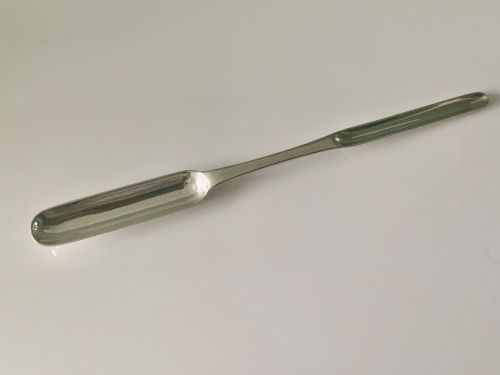
These 18th century silver scoop examples are domestic utensils designed to extract marrow or cheese, offering a tactile connection to Georgian dining.
What 18th Century Silver Scoop Pieces Are
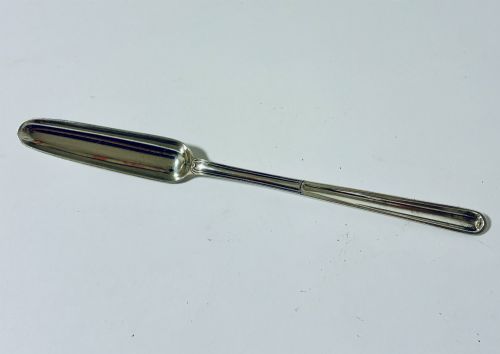
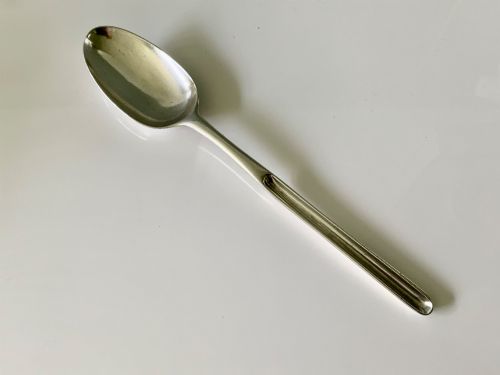
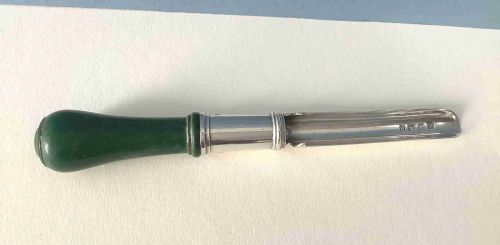
An 18th century silver scoop takes the form of a slender utensil featuring a narrow trough at one or both ends, engineered specifically for extracting bone marrow or serving cheese at the dining table. The pieces found here span the reigns of Queen Anne and the Georges, capturing domestic silver output from the early 1700s through the late decades of that century.
Collectors encounter specific variations including marrow scoops and stilton scoops, alongside regional pieces originating from Ireland and London workshops. These objects reflect the changing dining habits of the Georgian period, shifting from intensive meat consumption towards refined tableside service.
How They Were Made
Silversmiths shaped these utensils from sterling silver or higher-purity Britannia silver, hammering and rolling the metal to achieve the required rigidity for scraping bone or cheese. The dual troughs or bowl-and-trough combinations required precise forging to maintain balance and strength along the narrow stem.
Makers integrated hallmarks directly into the reverse of the stem or bowl, stamping town marks, date letters and maker's marks into the metal before final polishing. This method ensured compliance with assay office standards while preserving the clean lines of the utensil.
Early diners required dedicated metal spoons just to dig marrow out of bones without making a mess.
What Varies in Quality
The distinction between standard output and finer examples rests on the crispness of the hallmarks, the weight of the metal and the preservation of the original profile along the delicate troughs. Thicker gauge silver resists the bending often seen in thinner specimens subjected to centuries of use.
Attribution to documented makers elevates certain pieces above anonymous domestic silver, transforming a functional table implement into a studied collectible. The elegance of the transition between the handle and the scoop demonstrates the skill of the individual silversmith.
Benjamin Watts·Thomas Chawner
The 18th Century Silver Scoop Glossary
- Marrow scoop
- A double-ended utensil with one long narrow trough for bone marrow and a smaller bowl at the opposite end. It represents a specialised dining implement characteristic of the Georgian period.
- Britannia silver
- A higher standard of silver alloy introduced by statute in England, containing more pure silver than sterling. It appears frequently on pieces from the early eighteenth century.
- Sterling silver
- The standard alloy of silver utilised for British plate, containing a fixed proportion of pure silver and other metals for durability. This material forms the foundation of most domestic silverware.
- Hallmark
- A series of official stamps applied to precious metals indicating the maker, assay office, date and metal standard. These marks allow collectors to trace the exact origin of a piece.
Frequently Asked Questions
What is an 18th century silver scoop?
These items are dining utensils forged during the Georgian era, featuring elongated troughs designed for extracting marrow from bones or serving portions of cheese.
They reflect the domestic metalwork of the period, employing sterling or Britannia silver to create durable implements for the dining table.
How were marrow scoops used?
Dinners in the Georgian period featured roasted bones, and guests utilised the narrow end of the scoop to extract the marrow cleanly.
The smaller bowl at the opposite end often served mustard or provided a secondary grip during dining.
How do I identify a Georgian silver scoop?
Examination of the reverse side reveals hallmarks that indicate the assay office, the year of production and the specific silversmith responsible for the forging.
The distinct double-trough profile also separates these historical table implements from modern flatware.
Are all these scoops from London?
While many examples originate from London assay offices, regional workshops such as those in Ireland also produced these domestic utensils during the eighteenth century.
Assay marks on the metal provide the definitive record of geographic origin.