
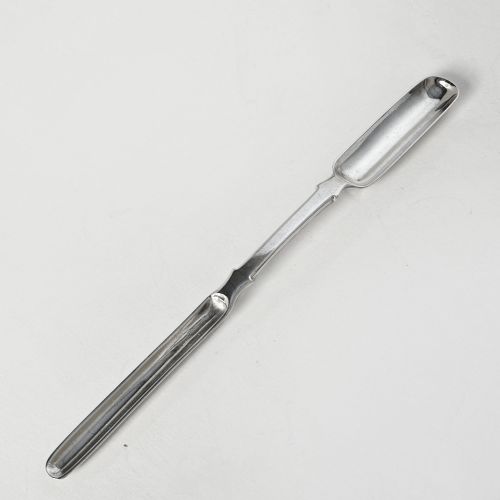
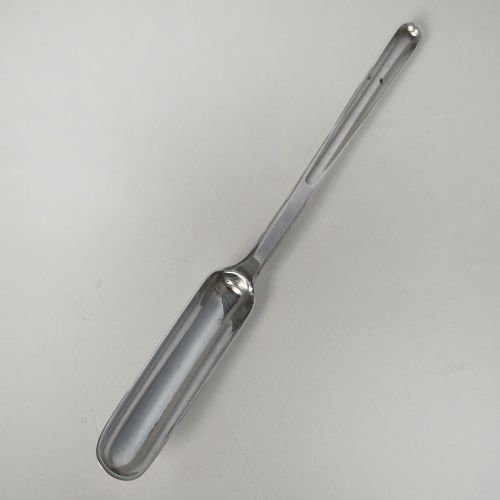


Silver Marrow Spoon
A silver marrow spoon is a specialised dining implement designed for extracting bone marrow, combining utility with distinct period elegance.
Silver Marrow Spoon
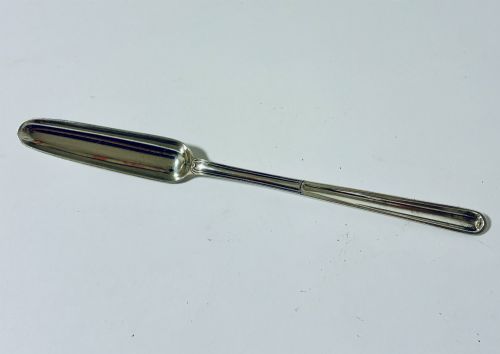
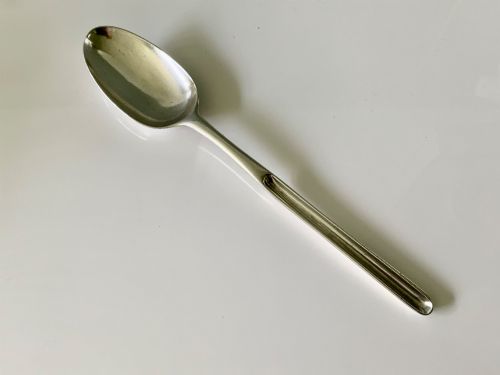
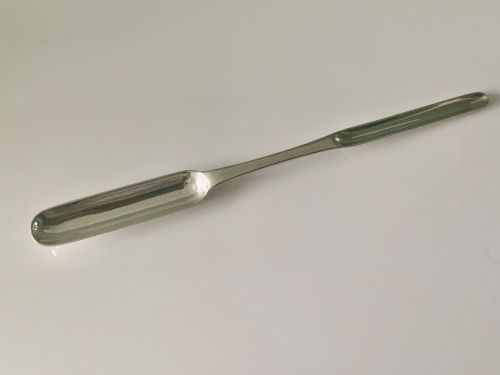
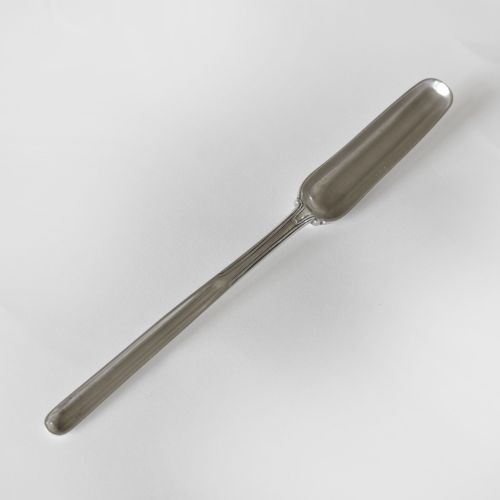
A silver marrow spoon or marrow scoop is a functional piece of cutlery designed specifically for extracting marrow from animal bones at the dining table. These items appear across various periods including the 18th century, 19th century, Georgian era, and the year 1700, reflecting long-standing culinary habits.
The objects take several distinct forms on this page, including standard spoons, marrow scoops, double-ended pieces, child's spoons, baby miniatures, and campaign versions. Irish and English origins feature prominently among the pieces recorded.
Makers such as Benjamin Watts, Thomas Johnson, Roger Hare, Jonathan Hayne, Edward Power, and Hester Bateman appear in the records. Styles span Queen Anne, George II, George III, and William IV periods.
Materials and construction
These pieces are fashioned from sterling silver, solid silver, and Britannia silver. The metal provides the necessary durability and weight for utensils handling food.
Craftsmen utilised traditional silversmithing techniques to shape the long, narrow bowls and shafts characteristic of these implements. Details such as shell backs or fiddle and thread patterns demonstrate specific period ornamentation methods.
Silver Marrow Spoon Retail Price Guide 2026
Typical asking prices for silver marrow spoon among the pieces listed under this phrase on Sellingantiques today, from the lower quarter to the upper quarter. They describe what is for sale here now, not the wider market.
Dining etiquette once demanded special silver just for marrow bones, proving that ancestors took their roasted treats very seriously.
Judging quality in silver marrow spoons
Quality varies according to the crispness of hallmarks, the clarity of maker marks, and the preservation of original form over centuries of handling. Pieces bearing identifiable silversmith stamps command closer study by collectors.
The thickness of the silver gauge and the integrity of any decorative elements, such as shell backs or engraved crests, distinguish finer examples from standard production.
Benjamin Watts·Thomas Johnson·Roger Hare·Jonathan Hayne·Edward Power·Hester Bateman
The Silver Marrow Spoon Glossary
- Marrow scoop
- A double-ended utensil featuring a narrow scoop at one or both ends designed for scraping marrow from bones. This form often replaces the conventional bowl found on standard spoons.
- Britannia silver
- A standard of silver plate comprising 958 parts per thousand of pure silver, introduced in England by statute in 1697. It contains a higher silver content than sterling.
- Shell back
- A decorative motif cast or embossed on the reverse of a spoon bowl, commonly taking the shape of a scallop shell. This detail appears on specific Georgian examples.
- Fiddle and thread
- A flatware pattern featuring a handle shape resembling a fiddle outline accompanied by a raised thread border along the edge. This style occurs on later Georgian pieces.
- Hallmark
- An official stamp applied to precious metals indicating the standard of purity, the assay office, and the date letter for the year of manufacture. These marks help verify the period of origin.
Silver Marrow Spoon: Frequently Asked Questions
What is a silver marrow spoon used for?
These implements were designed at the dining table to extract marrow from roasted bones during formal meals. The narrow bowls allowed diners to reach deep inside long bones.
Over time, changing dining habits turned them from practical implements into collectible pieces of antique silverware.
Why are some marrow spoons double-ended?
Double-ended marrow scoops feature bowls of different sizes at each end to accommodate various bone diameters. This design offered greater versatility during dining.
Such pieces represent a specialised variation within the broader category of antique flatware.
Are there miniature marrow spoons?
Surviving records show child's spoons and baby miniature marrow scoops alongside standard adult sizes. These smaller versions served as juvenile dining implements or christening gifts.
They replicate the exact form of full-sized pieces on a reduced scale.