
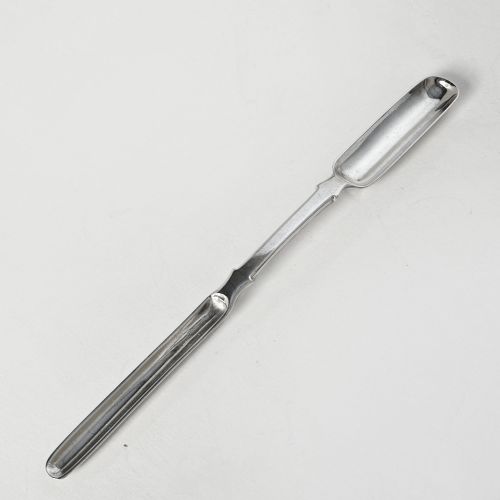
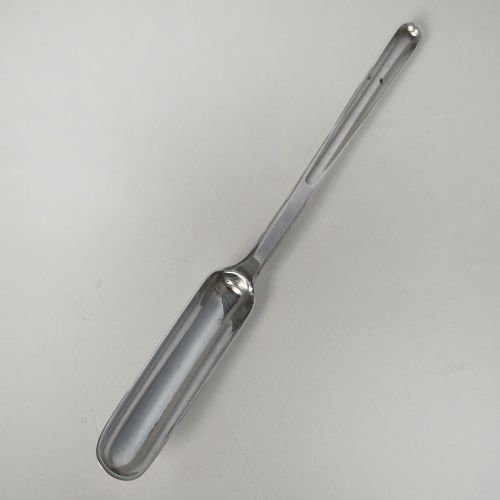


Antique Marrow Spoon
These antique marrow spoon pieces are silver and bone utensils designed for scooping marrow, sought after for their fascinating domestic history.
Antique Marrow Spoon
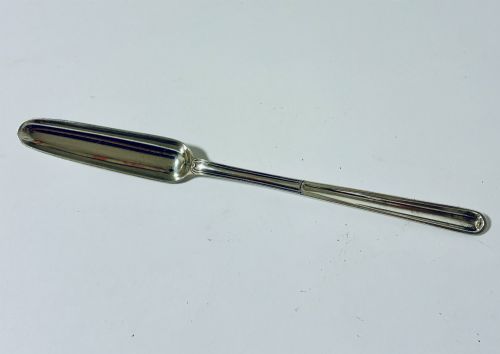
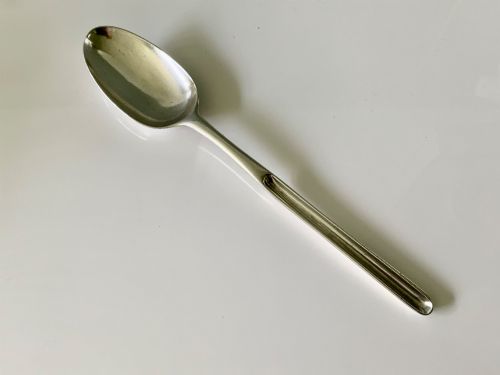
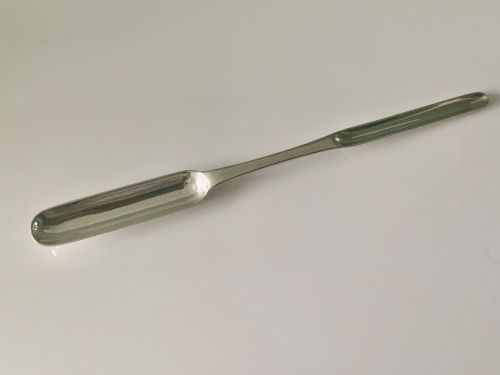
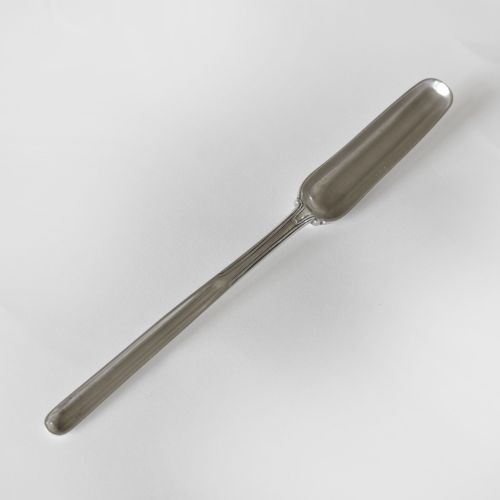
An antique marrow spoon is a specialised item of cutlery, silver flatware, or silverware designed to extract marrow from bones during dining. The pieces seen here span the Georgian period, the eighteenth century, and the nineteenth century, reflecting centuries of dining traditions.
Collectors most commonly encounter the silver marrow scoop form on this page, alongside marrow spoons and rarer bone examples. These utensils typically feature a narrow, elongated bowl at one end and a smaller scoop at the other, or a double-ended configuration.
Origins include English and Irish makers, with pieces dating from seventeen hundred onwards. Every antique marrow spoon represents a specific domestic ritual from past dining tables.
How they were made
Makers shaped sterling silver, Britannia silver, and solid silver into slender, balanced forms using traditional silversmithing techniques. The metal was hammered and formed to create the characteristic troughs needed for extracting bone marrow.
Alternative materials such as bone appear in prisoner of war style pieces, demonstrating carved craftsmanship from the eighteenth century. Each piece relies on the inherent durability of silver or bone to withstand use at the dining table.
What varies in quality
The distinction between standard examples and the finest pieces often lies in the weight of the silver and the clarity of the maker marks. Heavier solid silver items and early Queen Anne or George II specimens demonstrate superior metalwork.
Design variations also dictate quality, particularly when comparing standard single scoops to reversed double-ended marrow scoops or unusual bone variations. The presence of clear historical provenance elevates certain items above ordinary tableware.
Edward Power·Jonathan Hayne·Benjamin Watts·Thomas Johnson
The Antique Marrow Spoon Glossary
- Marrow scoop
- A piece of silver flatware featuring a long, narrow trough at each end for extracting marrow from bones. These items form the majority of the silverware listed here.
- Britannia silver
- A higher standard of silver alloy introduced in England to prevent melting coin silver down for plate. It contains a higher purity of silver than sterling.
- Georgian
- A period spanning the reigns of the first four Georges, characterised by distinct shifts in decorative styles and silver craftsmanship. Much of the cutlery from this era survives today.
- Double-ended
- A configuration featuring working bowls at both extremities of the utensil handle. This design provides versatility in scooping marrow from different bone sizes.
Antique Marrow Spoon: Frequently Asked Questions
What is an antique marrow spoon?
An antique marrow spoon is a specialised piece of dining silverware designed to reach deep inside animal bones for marrow. These utensils were essential dining implements on wealthy tables during the eighteenth and nineteenth centuries.
The form typically combines a long, narrow scoop with a handle or a second, smaller scoop at the opposite end. Collectors find them in sterling silver, solid silver, and occasionally bone.
How were marrow spoons used?
Diners used marrow spoons during formal meals to extract nutritious bone marrow from roasted joints of meat. The narrow trough shape was specifically engineered to slide cleanly into the bone cavity.
Servants typically prepared the bones before they reached the table, or diners used the double-ended scoops themselves. They formed part of the broader custom of serving rich, marrow-based dishes in Georgian dining rooms.
How do I identify Georgian pieces?
Georgian marrow spoons are identified by their stylistic markers and official hallmarks stamped directly onto the silver. These marks typically include maker initials, a standard silver mark, and date letters corresponding to the reigns of the Georgian kings.
The metal used is often solid silver or sterling silver, shaped into traditional Georgian flatware profiles. Comparing the weight and form helps distinguish these eighteenth-century items from later nineteenth-century silverware.
Are all marrow spoons made of silver?
While the vast majority of surviving pieces on this page are fashioned from silver, alternative materials do exist. Items recorded in the listings include solid silver, Britannia silver, and bone.
Bone examples, such as those attributed to prisoner of war craftsmanship, offer a different tactile quality compared to metal silverware. Each material dictates how the utensil was carved or forged by the maker.