




Vintage Silver Scoop
A vintage silver scoop is a small, functional utensil designed for tea leaves, cheese, or marrow, prized for domestic utility and fine metalwork.
Vintage Silver Scoop
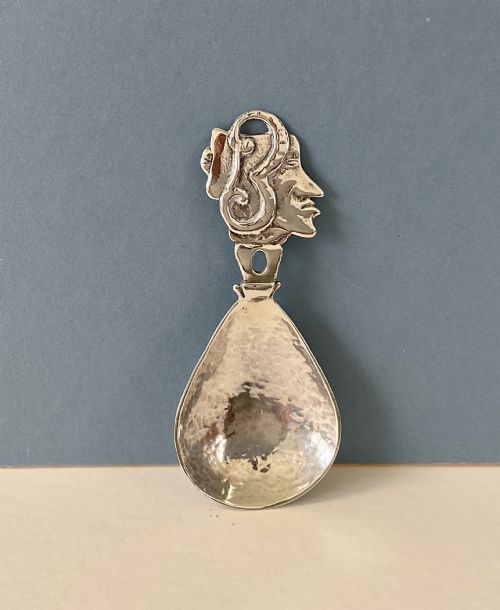
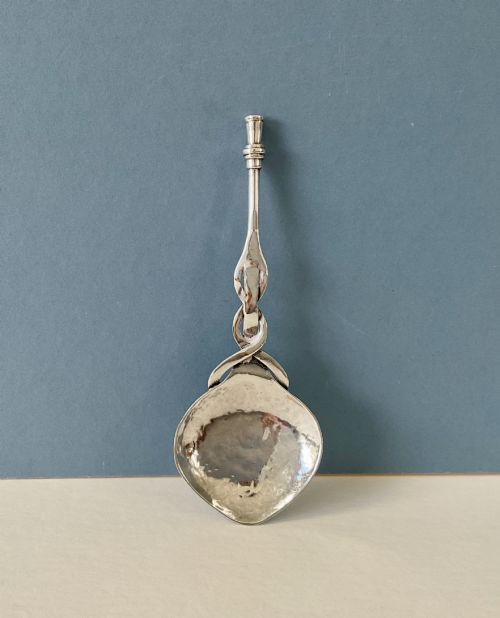
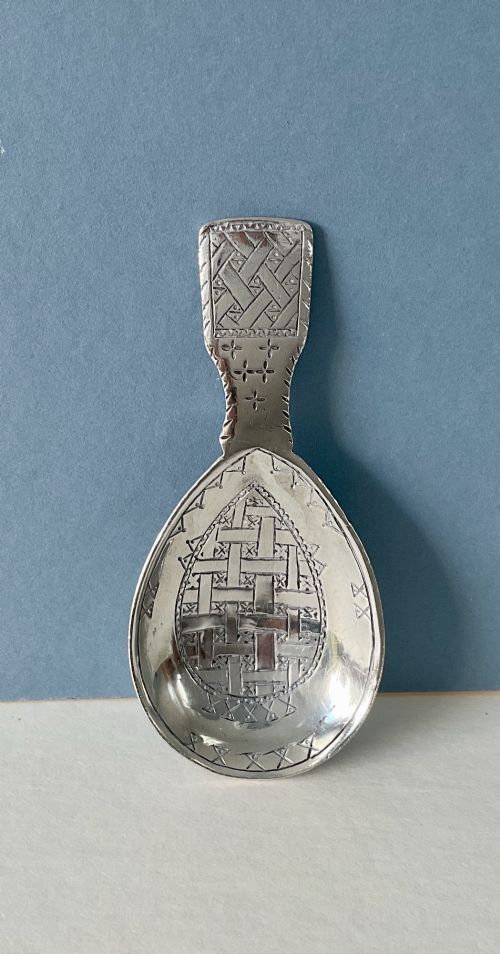
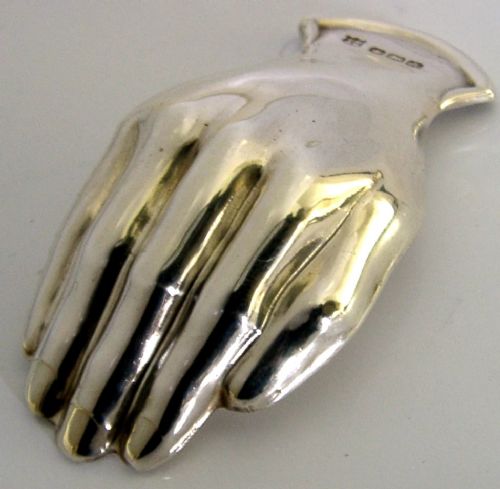
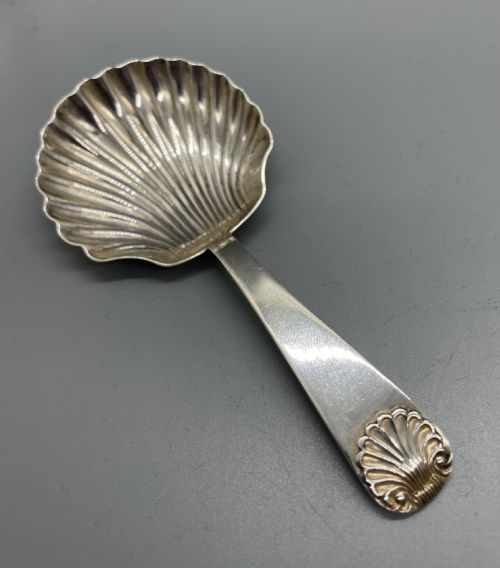
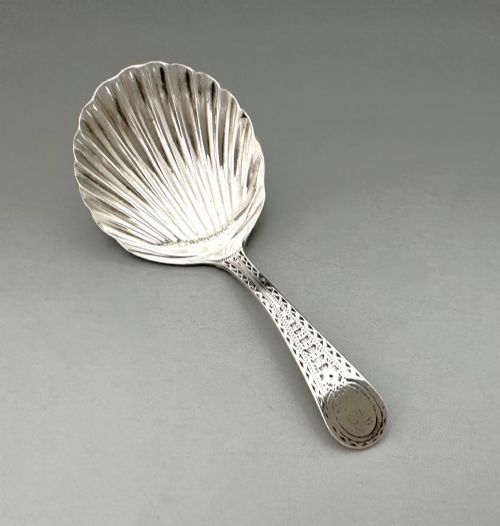
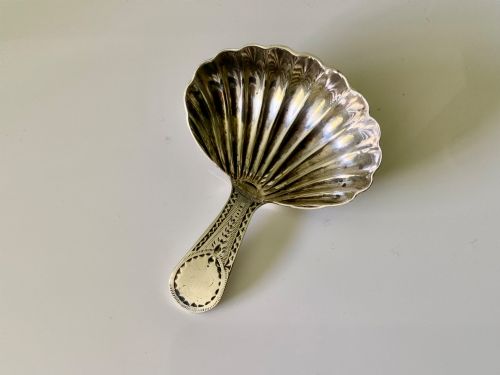
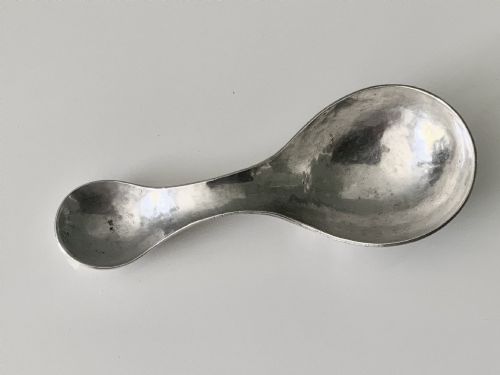
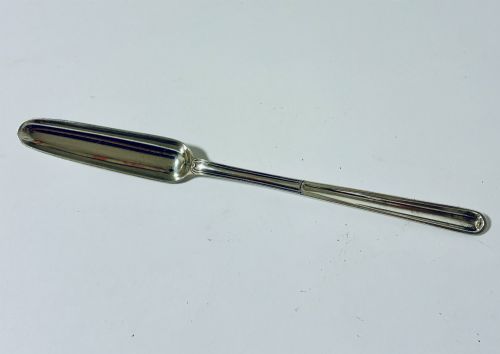
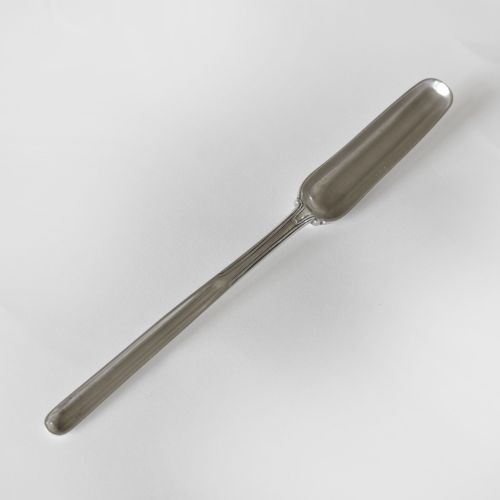
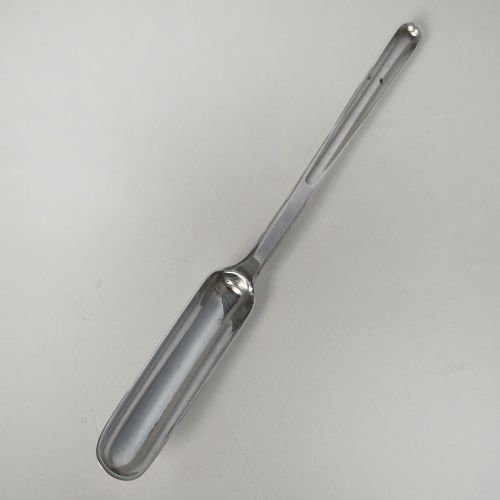
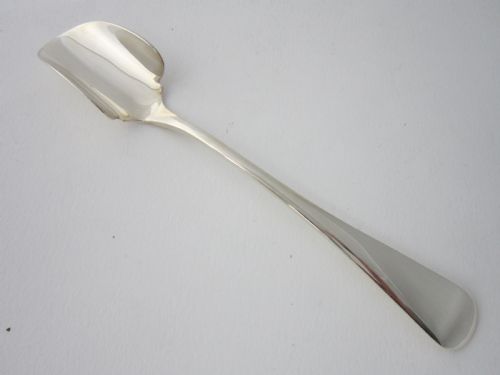
A vintage silver scoop encompasses a diverse range of small serving utensils including caddy spoons, marrow scoops, stilton scoops, and crumb trays. These pieces bridge the gap between practical dining accessories and decorative small silver objects.
The selections span multiple periods, with Georgian and Victorian examples appearing alongside Edwardian, Arts and Crafts, Art Nouveau, and mid-century designs. Caddy spoons and marrow scoops form the core of what you will encounter on this page.
Makers and origins stretch across English workshops from London and Sheffield, as well as continental studios such as Georg Jensen, David Andersen, and Orivit. Each style reflects the distinct aesthetic of its decade, from ornate 18th-century shell bowls to sleek Danish modern lines.
Materials and construction methods
Sterling silver and silver plate provide the primary metal foundations for these scoops, often paired with handles fashioned from bone, stained bone, or pewter. Certain pieces feature accents of enamel or silver gilt to enhance their visual appeal.
Techniques range from hand-hammered Arts and Crafts execution and delicate Art Nouveau casting to double-struck Georgian manufacturing and intricate hand engraving on handles and bowls.
Object types range from tea caddy spoons and stilton scoops to novelty items shaped like jockey caps.
Distinguishing quality in silver scoops
Quality rests in the crispness of the hallmarks, the weight of the metal, and the precision of any hand engraving or applied decoration. A well-balanced handle and a securely joined bowl indicate superior craftsmanship.
Design integrity separates standard production items from masterworks by renowned makers or specific stylistic movements like Arts and Crafts and Art Nouveau. Pieces retaining their original form and sharp detail command greater appreciation.
Jonathan Hayne·Plucknett·Georg Jensen·David Andersen·Orivit
The Vintage Silver Scoop Glossary
- Caddy spoon
- A short-handled spoon specifically sized to measure tea leaves from a caddy into a teapot. These often feature decorative bowls shaped like leaves, shells, or jockey caps.
- Marrow scoop
- A narrow, elongated double-ended utensil historically used for extracting marrow from bones. One end is typically spoon-shaped while the other is a slender trough.
- Stilton scoop
- A specialised implement designed for serving crumbly cheeses like Stilton. They frequently incorporate bone or turned handles paired with a long silver blade.
- Hallmark
- An official stamp applied to precious metals indicating the standard of purity, the assay office, and the date of manufacture. These markings provide a secure method of dating authentic pieces.
- Silver gilt
- Silver that has been coated with a thin layer of gold on its surface. This technique was frequently utilised on the interior bowls of spoons to prevent tarnishing from acidic substances.
Vintage Silver Scoop: Frequently Asked Questions
What was a vintage silver scoop used for?
These scoops served specialised domestic purposes at the dining table and in the tea room. Caddy spoons measured loose tea leaves, while marrow and stilton scoops handled specific meats and cheeses.
Over time, many of these utilitarian objects evolved into decorative display pieces. Their compact sizes and varied designs made them popular collectibles for silver enthusiasts.
How do I identify a Georgian silver scoop?
Georgian pieces generally display distinct stylistic markers such as bright-cut engraving, shell-shaped bowls, or double-struck handles. Examining the piece for period-specific form and weight helps establish its era.
Official silver hallmarks stamped onto the metal provide the definitive date. These marks reveal the assay office and the specific year letter for the piece.
How should I display a caddy spoon?
Caddy spoons suit shallow wall cabinets, specialist display trays, or flat surface arrangements where their detailed bowls remain visible. Their varied shapes look striking when grouped together.
Maintaining a stable environment away from direct moisture helps preserve the silver finish. Occasional gentle cleaning keeps the metal bright without removing the historic patina.