

Georgian Silver Scoop
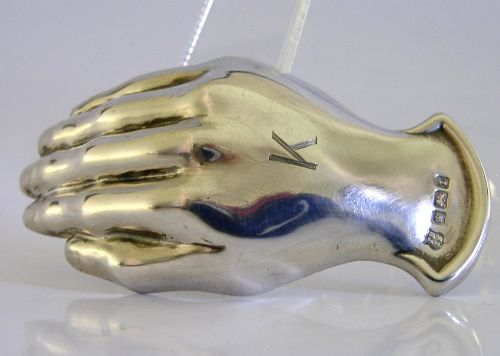
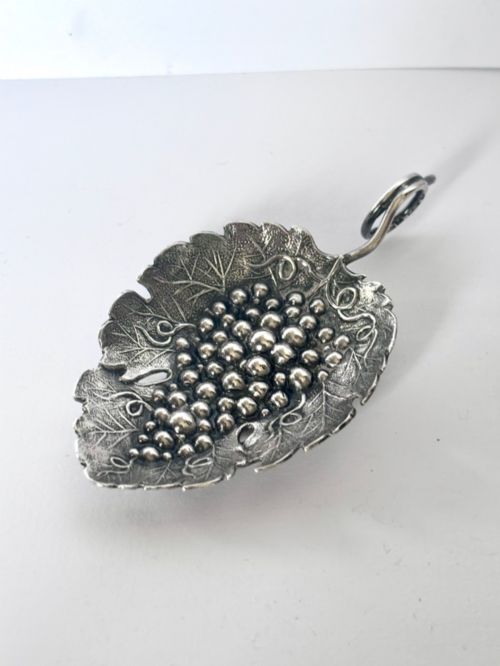
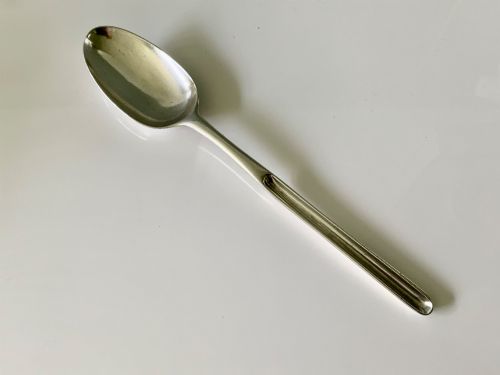
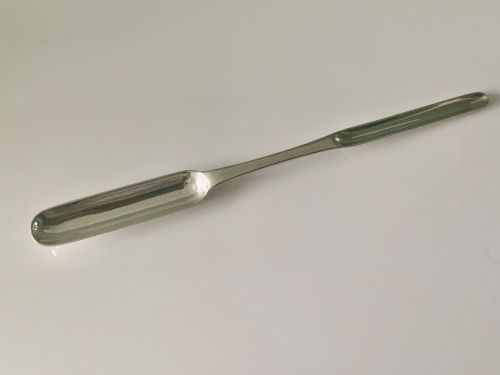
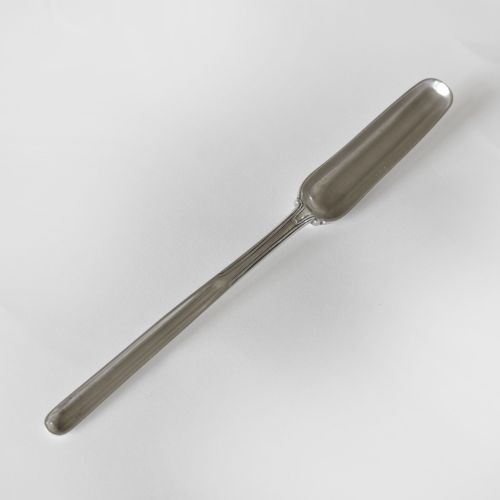
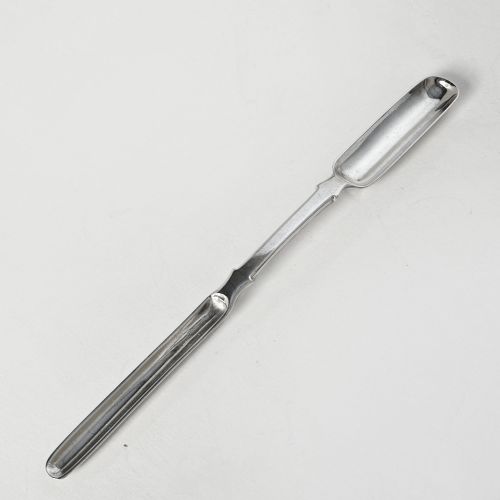
A georgian silver scoop is a remarkably functional piece of tableware designed for marrow or cheese, prized for its sleek, elongated bowl and heraldic engraving.
The Georgian Silver Scoop
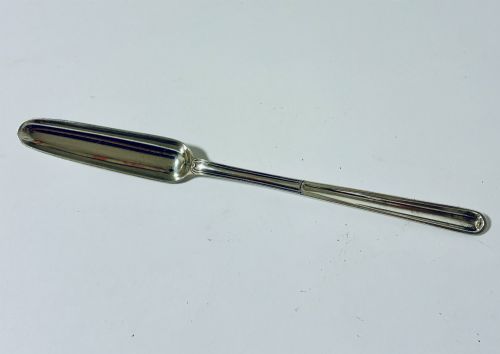
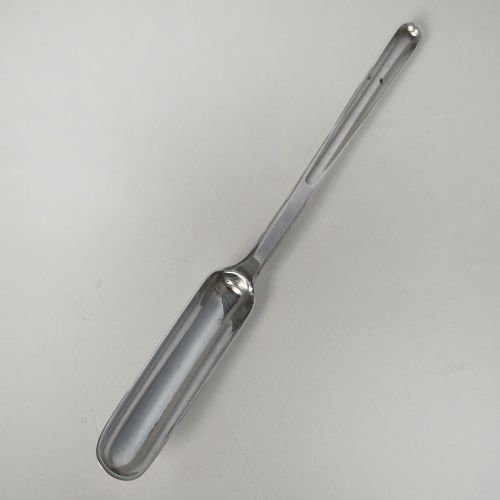
A georgian silver scoop primarily takes the form of a marrow scoop or a cheese scoop, each shaped for specific dining habits of the period. Marrow scoops feature a long, narrow trough at one end and a smaller scoop at the other, designed for extracting bone marrow.
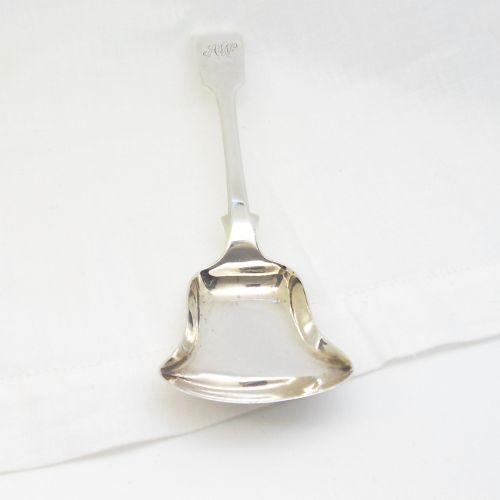
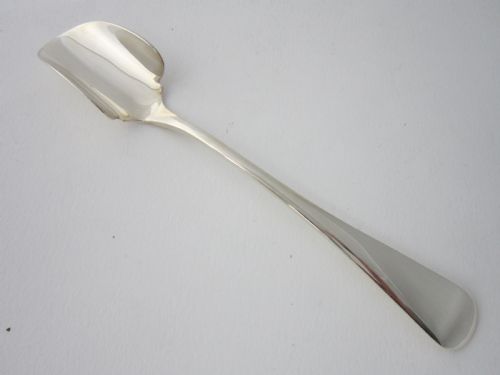
Cheese scoops, particularly stilton scoops, appear with larger half-cylinder blades and often include mechanisms such as sliders or push-release levers. These larger implements reflect the shift towards specialised dining utensils during the late eighteenth and early nineteenth centuries.
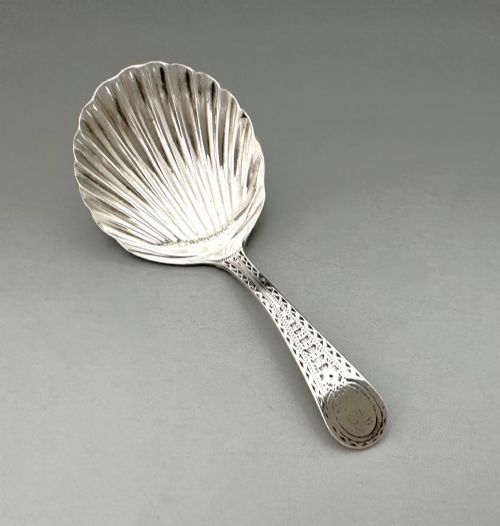
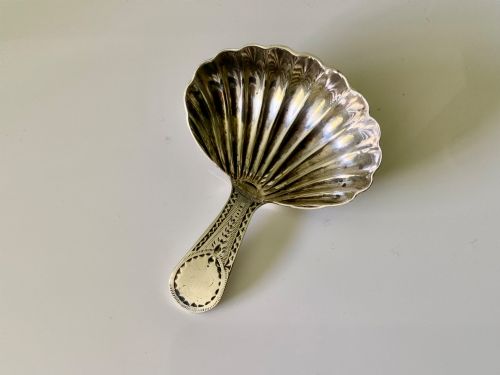
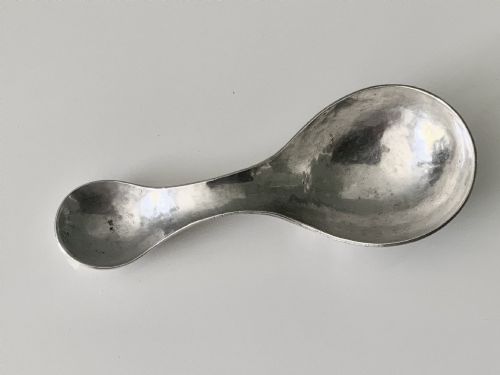
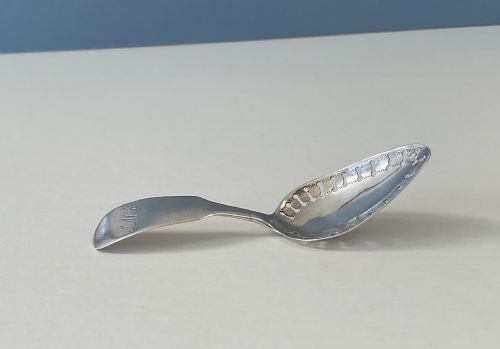
Caddy spoons also emerge within this category, offering a compact bowl for measuring tea leaves. The pieces on this page are firmly rooted in the Georgian period, executed in sterling silver with occasional additions of ivory or mother-of-pearl handles.
Materials and Techniques
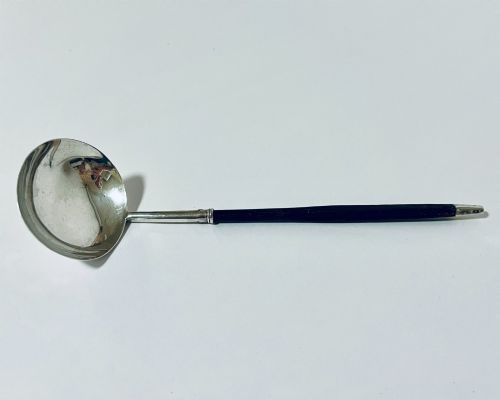
Silversmiths constructed these pieces from solid sterling silver, frequently employing heavy-gauge metal to withstand the leverage required for serving hard cheese or extracting marrow. Handles on specialised scoops incorporate organic materials such as carved ivory or mother-of-pearl, secured via pins or sockets.
Decoration relied heavily on crisp hand-engraving, including family crests, armorial bearings, and initials. Makers also utilised techniques like double striking on patterned stems, alongside complex mechanical joints for sliding or push-release stilton scoops.
Retail Price Guide 2026
Typical UK retail prices for georgian silver scoop, calculated from the Sellingantiques database of over a million retail prices indexed since 2003. This retail price guide relies exclusively on Sellingantiques data; no external sources or auction records are used, so the figures do not describe the wider market.
Several scoops bear elaborate horse crests, suggesting that eighteenth-century equestrian enthusiasts took their bone marrow consumption quite seriously.
Assessing Quality
Quality rests upon the thickness of the sterling silver gauge and the crispness of the hallmarks stamped into the metal. Substantial weight prevents bending along the long, slender bowls during use.
Refinement shows in the hand-engraved crests and the precision of mechanical elements like sliders and push-release mechanisms. Pieces with intact family crests and smooth-operating joints represent the higher tier of surviving examples.
Thomas Johnson·Paul Storr·George Smith·William Sumner and Richard Crossley·Solomon Hougham·Pemberton·William Eley and William Fearn·Christopher and Thomas Barker
The Georgian Silver Scoop Glossary
- Stilton scoop
- A specialised dining implement with a half-cylinder blade used for serving crumbly cheeses like Stilton. Some examples feature mechanical push-release sliders.
- Caddy spoon
- A small measuring spoon utilised for portioning loose tea leaves from a caddy. These frequently display shell-shaped or fluted bowls.
- Double struck
- A manufacturing technique where the die is applied twice to deepen the decorative pattern on both sides of the silver handle. This adds texture and visual weight to the piece.
- Armorial
- An engraved family crest or coat of arms displayed on the reverse of the handle. These personalized markings often allow researchers to trace the original owner.
Frequently Asked Questions
What is a marrow scoop?
A marrow scoop is a specialised elongated utensil designed during the eighteenth century to extract bone marrow from roasted joints. Its double-ended form provides two different bowl sizes.
The narrower trough allows access to tight spaces within bones, while the wider end functions much like a traditional spoon for serving.
How do I use a stilton scoop?
A stilton scoop is pressed directly into a large cheese to extract a semi-cylindrical portion for the plate. The shape prevents the crumbly cheese from breaking apart.
Some period examples include mechanical sliders or push-release levers designed to push the cheese cleanly out of the trough.
How do I identify a Georgian hallmark?
Georgian silver hallmarks typically include a maker's mark, a standard mark such as the lion passant for sterling, a town mark like the leopard's head for London, and a date letter.
Comparing the stamped letter against standard historical assay office charts reveals the exact year the piece was struck.
Can I use these for modern dining?
These silver scoops function effectively for serving cheese, condiments, or marrow at a modern table. Solid sterling silver is durable enough for regular household use.
Hand washing with mild soap preserves the antique surface and any delicate engraved crests or organic handles.