

Antique Dining Silver
Antique dining silver brings practical grace to the table through candleholders, cutlery, and serving vessels shaped by generations of silversmiths.
Antique Dining Silver
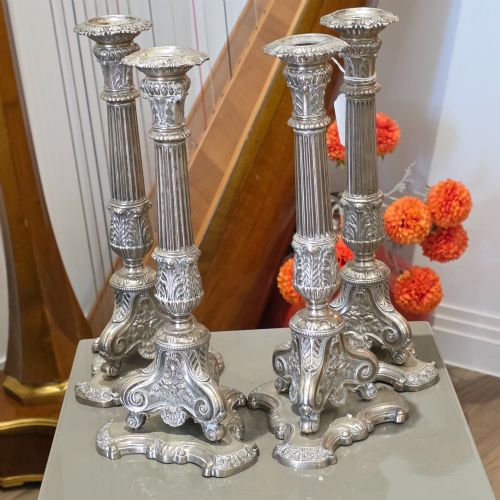
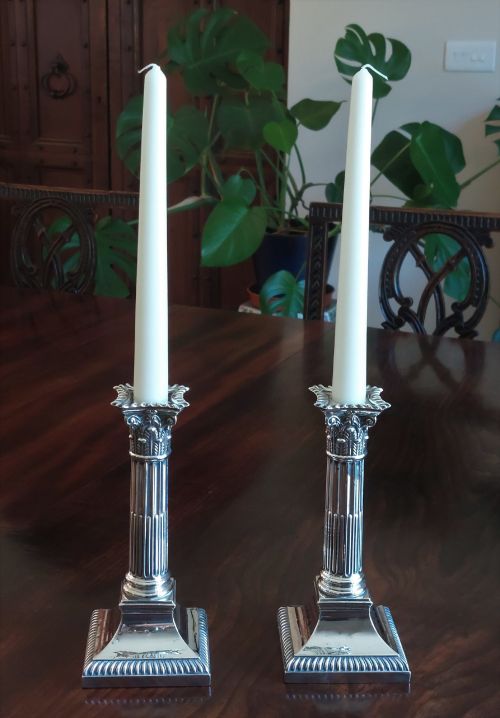
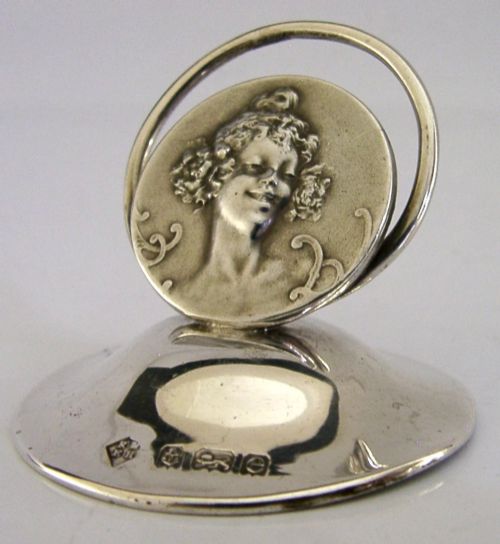
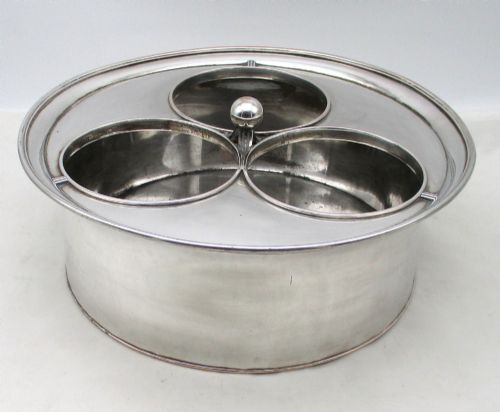
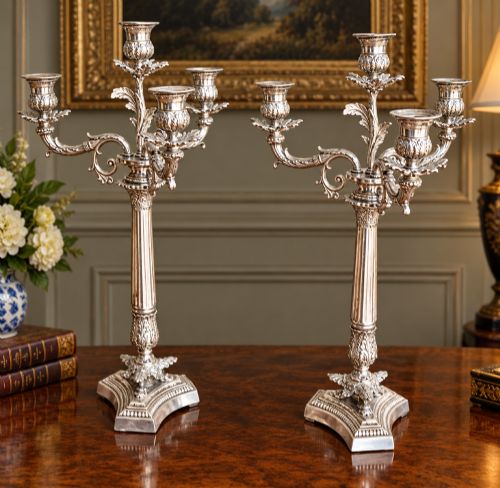
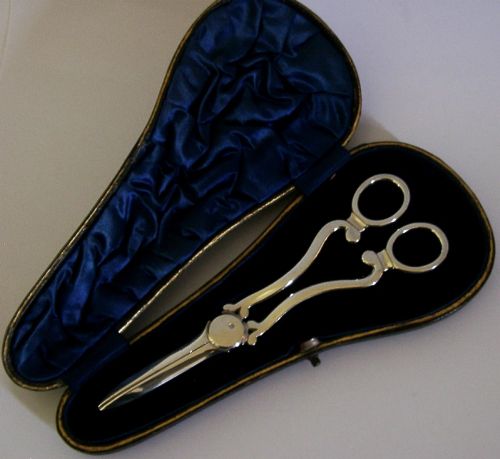
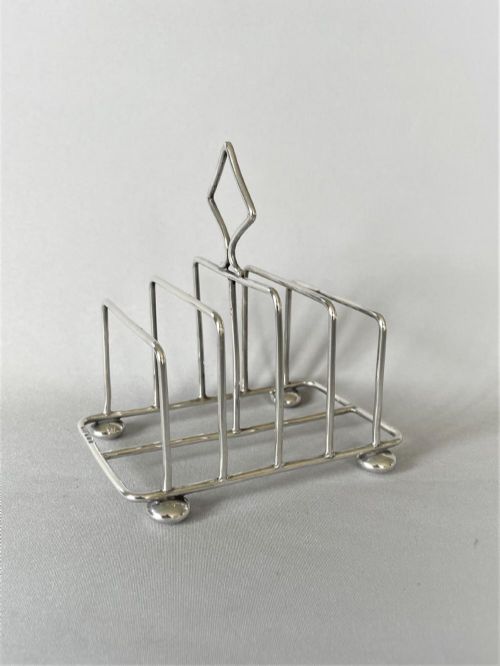
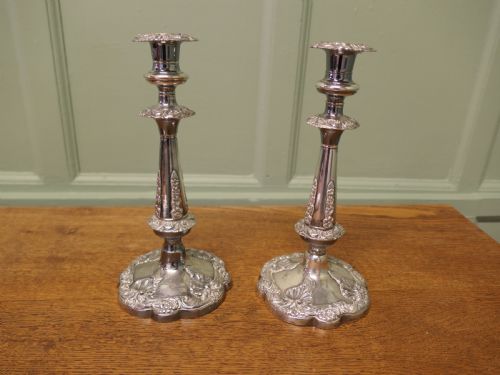
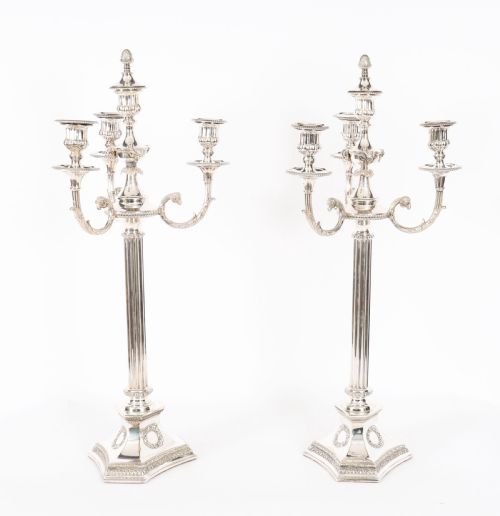
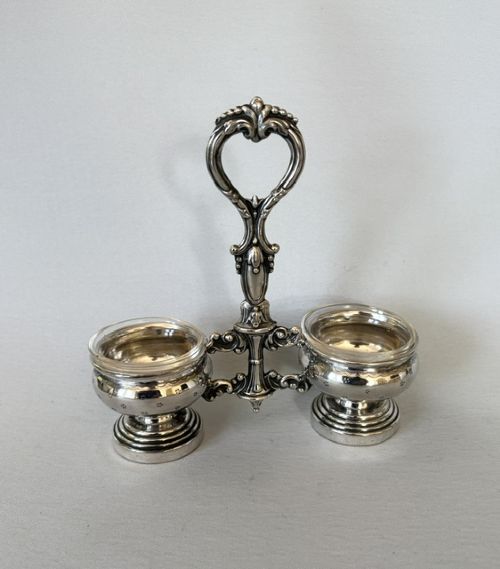
When buyers search for antique dining silver, they encounter items built for the table from the Georgian period through the mid-twentieth century. The selection spans utilitarian pieces like knife rests and napkin rings alongside decorative items such as candelabras and menu holders.
Solid sterling silver and silver plate form the core of what is available, taking shapes from neoclassical columns to ornate Victorian salt cellars. These items reflect the shifting dining habits of the nineteenth and twentieth centuries.
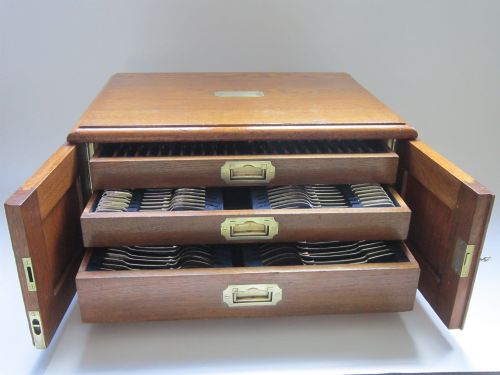
The most common items on this page are napkin rings, candlesticks, and sauce boats originating from the Victorian, Edwardian, and George V eras. Pieces often arrive in fitted cases or as matched pairs designed for formal dining rooms.
How antique dining silver was made
Silversmiths utilised sterling silver and silver plate, frequently employing Old Sheffield plating techniques for earlier items from the nineteenth century. Glass inserts appear in items such as claret jugs and pepper grinders, paired with fitted metal mounts.
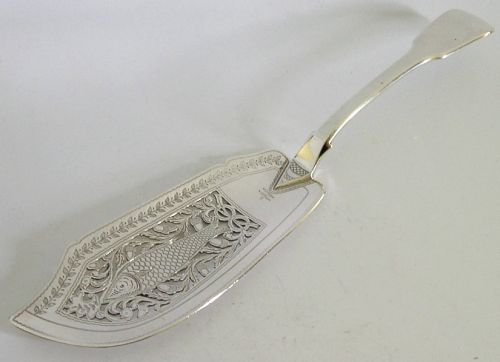
Casting and hammering formed the heavier structural elements like candelabras and wine coolers, while finer details such as pheasant models and owl menu holders required careful hand-chasing. Protective linings of velvet and silk often filled the interiors of presentation cases.
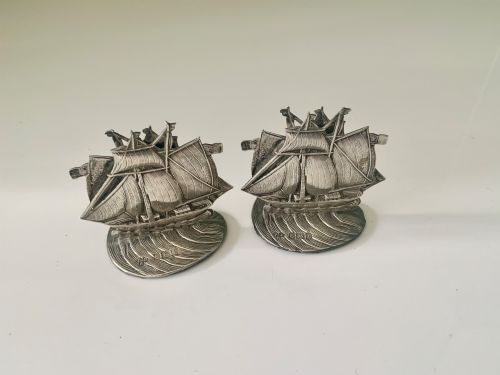
Dining tables of the past gained character from silver pheasants, owls, and leaping swans standing guard among the wine coolers.
What varies in quality
The weight of the metal and the crispness of the chased decoration separate standard items from superior examples. Heavy gauge sterling silver maintains its structural integrity and relief detail far better over decades of use.
Maker marks and clear hallmarks indicate workshop origin and standard, lending greater authority to a piece. The quality of assembly in multi-part objects, such as candelabras and cruet sets, dictates how well joints and fittings endure.
Levi and Salaman·Roberts Cadman·Christofle Gallia·R. E. Stone·Garrard
The Antique Dining Silver Glossary
- Sterling silver
- A silver alloy containing 92.5 percent pure silver and 7.5 percent other metals, usually copper, chosen for durability. This standard is frequently denoted by the lion passant hallmark on British items.
- Old Sheffield plate
- An early form of plated metal produced by fusing a sheet of silver to a thicker copper base under heat. This technique creates a distinctive edge where the copper core shows subtly beneath the silver layer.
- Hallmark
- An official stamp applied to precious metals indicating the maker, assay office, and year of testing. These marks provide a secure method for dating British silver pieces.
- Candelabra
- A branched candlestick designed to hold multiple taper candles above a dining table. They range from small tabletop versions to large multi-light silver plated pairs.
- Sauce boat
- A small pitcher with a lip and handle used for serving gravies or sauces at the table. Victorian and Art Deco examples often incorporate integrated drip trays or rests.
Antique Dining Silver: Frequently Asked Questions
What is Old Sheffield plate?
Old Sheffield plate is an early plating method where a thin layer of silver is fused onto a copper base. This technique was widely utilised before modern electroplating became standard.
Items made this way display a rich depth of metal over time, with the underlying copper occasionally showing through at high wear points.
How do I clean silver safely?
Cleaning requires a soft cloth and a specialised silver polish formulated to remove tarnish without stripping the underlying metal. Gentle washing in warm soapy water suffices for daily maintenance.
Avoid abrasive brushes or harsh chemical dips that can damage delicate chased details and antique plating.
Are napkin rings usually sold in sets?
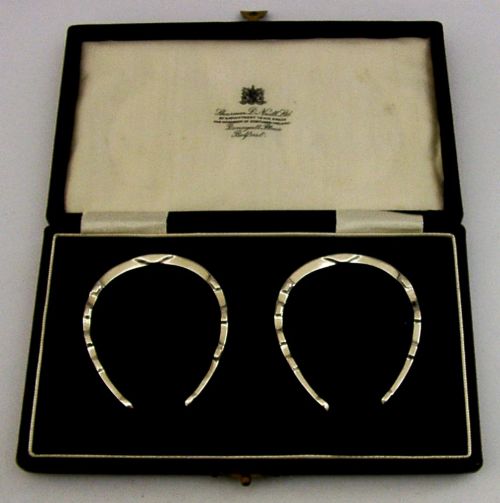
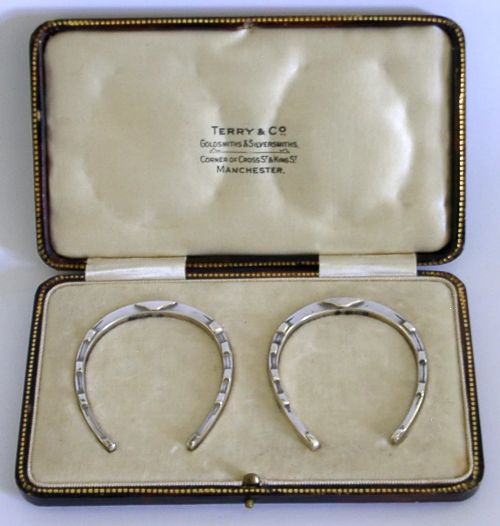
Napkin rings appear both as single pieces and in matched sets, sometimes housed within original fitted leather or velvet cases. Single rings often feature specific monograms or dates.
Cased sets of four or six generally date from the Edwardian and George V periods.
How can I tell the date of a piece?
Dating relies primarily on hallmarks stamped directly onto the silver, which indicate the exact assay office and year cycle. Stylistic cues such as Neo-Classical columns or Art Deco lines also point to specific decades.
Makers' marks cross-reference with historical records to confirm the exact period of manufacture.