


Double Ended Spoon
These double ended spoon pieces bridge formal dining and apothecary use, offering tactile silver work or carved mahogany frames.
Double Ended Spoon
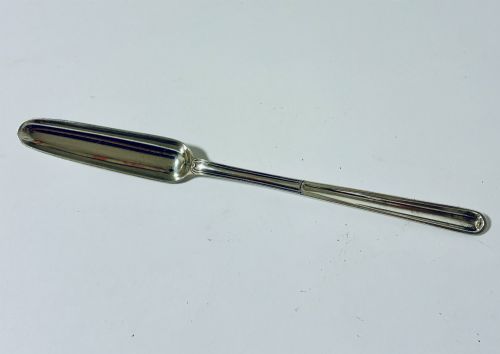
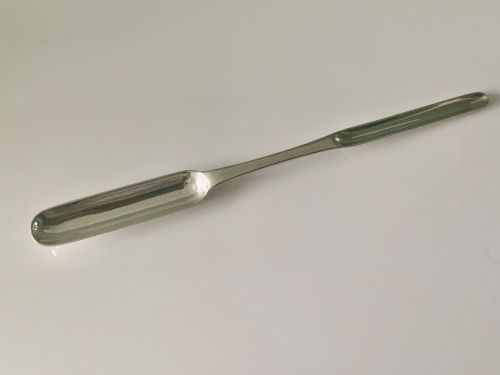
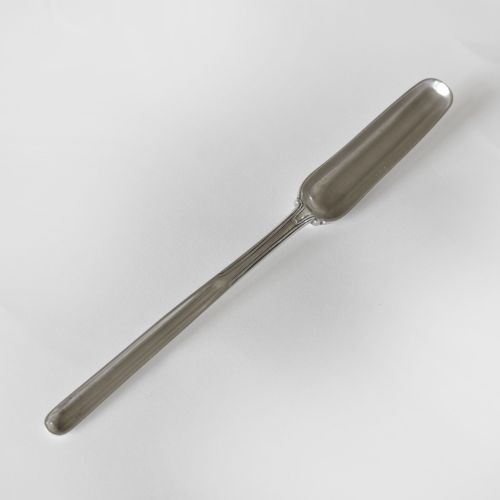
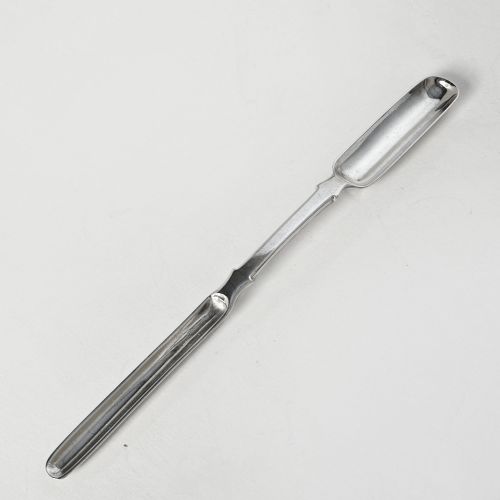
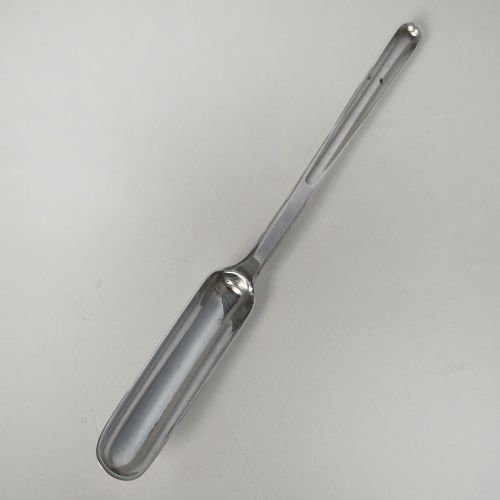
A double ended spoon combines two functional ends on a single shaft, spanning utilitarian designs like marrow scoops and medicine spoons alongside larger upholstered seating known as double end sofas. Buyers searching for a double ended spoon typically encounter silver tableware from the eighteenth and nineteenth centuries, or carved mahogany settees sharing the dual-ended form.
The table silver category includes marrow scoops and medicine spoons originating from Georgian and Victorian periods. These pieces demonstrate practical dual functionality, such as a narrow bowl at one end and a larger scoop at the other, or folding mechanisms designed for administering liquid doses.
Larger seating options appear in mahogany with showwood frames and button upholstery. These Victorian and later settees provide scrolled ends of equal height, echoing the balanced symmetry found in the smaller silver flatware items.
How they were made
Silversmiths shaped sterling silver and solid silver using traditional forging and hammering techniques. Makers incorporated hallmarks indicating London, Birmingham, and Irish origins to stamp assay office details and maker marks directly into the metal.
Cabinetmakers constructed the seating using solid mahogany for the structural frames. Artisans applied carved showwood details and finished the pieces with textile upholstery and damask fabric.
Listings span Georgian, Victorian, and eighteenth-century periods, utilising sterling silver, solid silver, and mahogany.
What varies in quality
The crispness of the hallmarks on silver pieces distinguishes standard items from superior examples. Clear stamps from known silversmiths such as Thomas Johnson, Henry Holland, or George Unite maintain collector interest.
In mahogany furniture, the depth and execution of the carved showwood separate basic production from finer cabinetmaking. The retention of original damask fabric or textile upholstery also alters the integrity of the piece.
Edward Power·Jonathan Hayne·Thomas Johnson·Henry Holland·George Unite
The Double Ended Spoon Glossary
- Medicine spoon
- A specialised piece of silver flatware created to measure and administer liquid pharmaceuticals. These often include enclosed bowls or folding components.
- Showwood
- Exposed polished timber on a piece of upholstered furniture. On Victorian settees, this mahogany framework outlines the curved back and ends.
- Hallmark
- A series of official marks stamped onto silver items. These indicate the purity of the silver, the assay office, and the year of manufacture.
Double Ended Spoon: Frequently Asked Questions
What is a double ended spoon used for?
These items primarily served specific domestic functions at the dining table or in the sickroom. Silver examples acted as marrow scoops or medicine administration tools.
Larger double-ended furniture items functioned as daybeds or settees where a user could recline against either raised end of the wooden frame.
How do I date a silver spoon?
Dating relies heavily on the stamped hallmarks applied by official assay offices in cities like London and Birmingham. These duty marks and date letters correspond to specific years of production.
Stylistic shifts between Georgian simplicity and Victorian ornamentation also help determine the era of manufacture.
Are double ended settees comfortable?
These nineteenth-century settees utilise button upholstery and padded serpentine backs supported by mahogany frames. They were built for upright or semi-reclined seating rather than deep lounging.
The symmetrical design allowed a person to sit facing either direction along the length of the couch.