
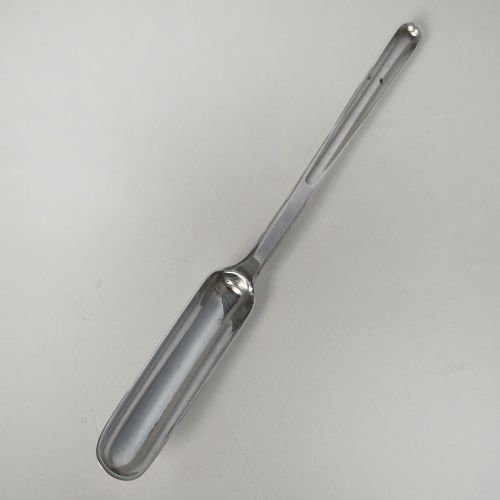


Double Ended Scoop
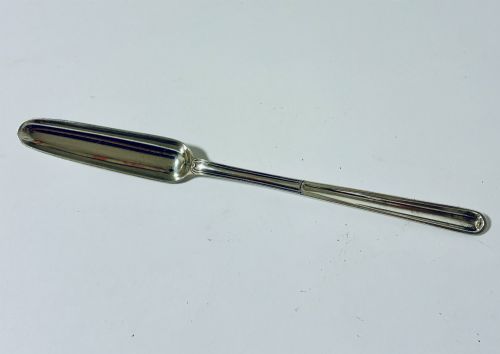
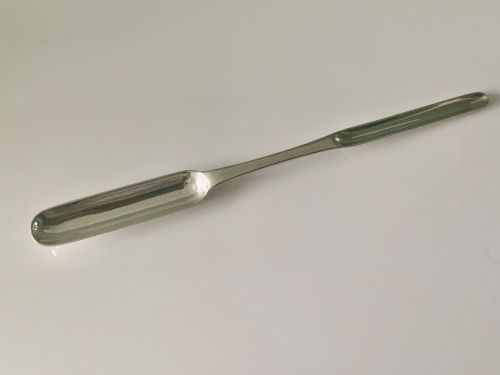
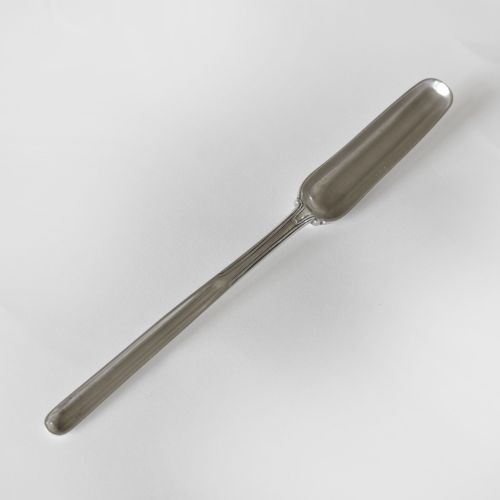
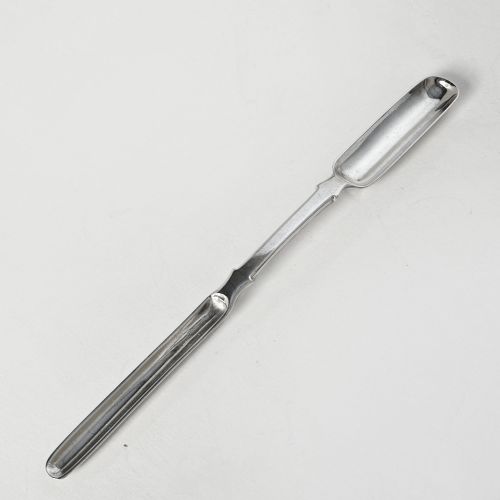
A double ended scoop is a specialised piece of silver flatware designed for extracting marrow, and these examples combine utility with Georgian elegance.
Double Ended Scoop
When you search for a double ended scoop, you encounter items primarily catalogued as marrow scoops within cutlery, flatware, and silverware categories. These objects emerge from Georgian and nineteenth-century periods, showing English and Irish origins.
The pieces you meet on this page most frequently take the form of traditional marrow scoops, featuring elongated bowls at both ends for practical use at the dining table.
How they were made
Makers fashioned these items using sterling silver and solid silver, hammering and shaping the metal to create the distinct double-ended trough structure.
Techniques from the eighteenth and nineteenth centuries allowed silversmiths to produce durable flatware designed for regular household service.
Listings span the Georgian period, the nineteenth century, and specific years from 1700 through 1921, executed entirely in sterling and solid silver.
What varies in quality
Quality rests upon the crispness of the maker marks, the thickness of the silver gauge, and the overall preservation of the original form without excessive wear.
Pieces from early periods with clear London or provincial assay marks demonstrate superior craftsmanship compared to later or unmarked examples.
Edward Power·Jonathan Hayne·Thomas Johnson·Benjamin Davis·Orlando Jackson·Garrard and Co·Solomon Hougham·Christopher and Thomas Barker
The Double Ended Scoop Glossary
- Marrow scoop
- A piece of cutlery featuring a long, narrow trough at each end, specifically created for extracting bone marrow.
- Flatware
- Table utensils made of silver or other metals, encompassing spoons, forks, and related serving items.
- Sterling silver
- An alloy consisting of silver and other metals, traditionally utilised for durable domestic silverware.
- Assay office mark
- A stamp indicating the testing of precious metal purity, often found alongside maker initials on eighteenth and nineteenth-century pieces.
Double Ended Scoop: Frequently Asked Questions
What is a double ended scoop?
A double ended scoop is a piece of antique silver flatware featuring narrow troughs at both extremities. These utensils formed part of formal dining services.
Silversmiths designed the dual bowls to reach deep into marrow bones during meals. They represent specific dining customs of the eighteenth and nineteenth centuries.
How were these scoops used?
Dinners in the Georgian period frequently featured roasted marrow bones served at the table. Guests utilised the smaller end for tighter bones and the larger end for wider cavities.
These utensils ensured diners could extract the delicacy efficiently. They remained standard additions to silver flatware services of the era.
Are Irish scoops different?
Irish silver marrow scoops share the fundamental double-ended form of their English counterparts. Regional assay office marks identify their specific origin.
Collectors often distinguish them by the Dublin hallmarks stamped into the solid silver. Both English and Irish pieces utilise identical functional designs.