
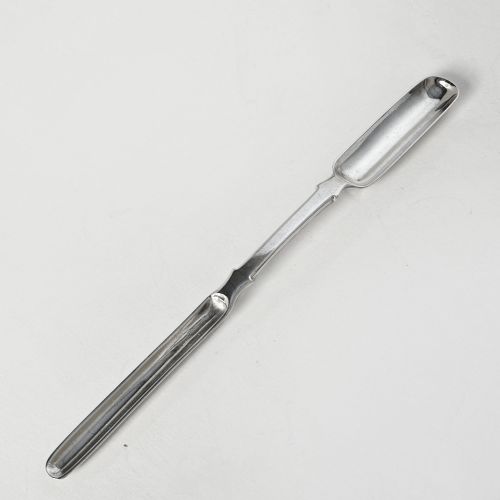
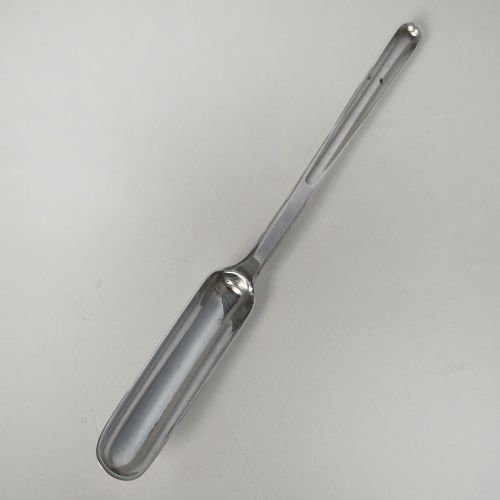


Sterling Silver Marrow Spoon
These sterling silver marrow spoon pieces are Georgian silverware crafted for the dining table, offering a tangible link to eighteenth-century dining habits.
What They Are
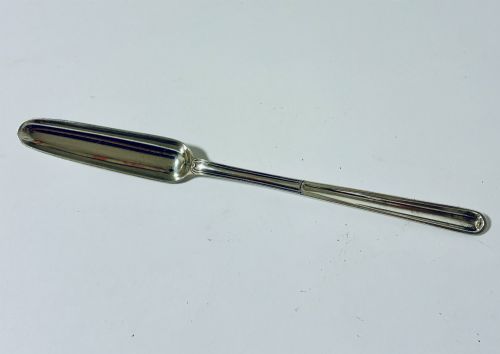
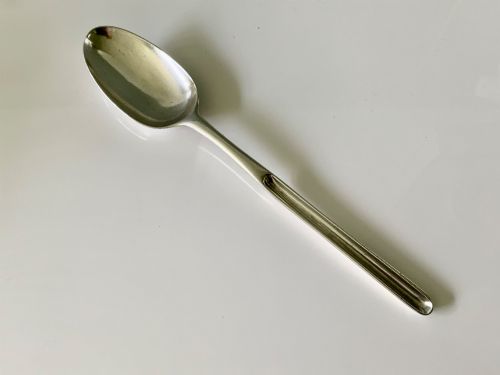
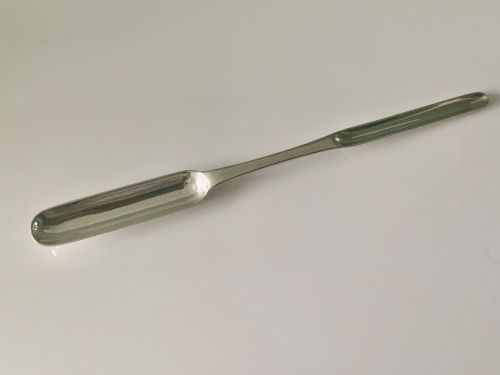
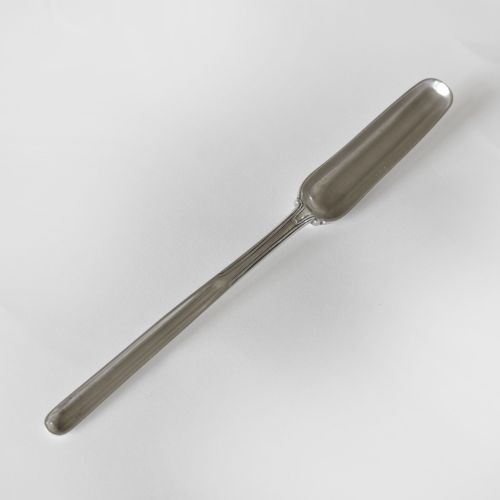
When you search for sterling silver marrow spoon, you are looking at specialised Georgian silverware designed to extract marrow from bones during formal meals. These items typically take the form of scoops rather than traditional spoons, featuring a long, narrow bowl at one end and a smaller trough at the other.
How They Were Made
These items are constructed from solid silver and sterling silver, reflecting the metallurgical standards of eighteenth-century silversmithing. The metal is shaped to form the characteristic double-ended profile, combining a larger scoop with a narrower trough.
Makers utilised traditional hammering and shaping techniques to achieve the slender, balanced form necessary for reaching marrow inside animal bones. The surviving examples demonstrate the durability of solid silver silverware produced during the Georgian era.
What Varies in Quality
Quality in these pieces is dictated by the crispness of the hallmarks and the preservation of the original form across the long, narrow bowls. Early eighteenth-century examples exhibit distinct craftsmanship that separates standard production from exceptional survival.
The weight of the solid silver and the balance of the double-ended design distinguish finer pieces from later or more utilitarian iterations. The integrity of the silver surface further defines the upper tier of these historical items.
The Sterling Silver Marrow Spoon Glossary
- Sterling Silver
- A standard alloy of silver containing ninety-two point five percent silver by mass, utilised extensively in British silverware production. This material ensures durability while maintaining a bright metallic appearance.
- Georgian
- The period covering the reigns of the first four Georges, from seventeen fourteen to eighteen thirty. Pieces from this era display distinct stylistic traits associated with eighteenth-century craftsmanship.
- George II
- The period of the reign of King George II from seventeen twenty-seven to seventeen sixty. Items from this specific span often exhibit early eighteenth-century hallmarks and forms.
- Silverware
- Dining and decorative items made of silver, encompassing flatware and hollowware. In this context, it refers specifically to functional dining implements.
Frequently Asked Questions
What is a sterling silver marrow spoon used for?
These implements were designed specifically for extracting marrow from bones during formal Georgian dining. The narrow troughs and scoops allowed diners to access the rich marrow efficiently.
Over time, the practice of serving marrow declined, making these items fascinating survivals of historical dining customs.
How old are these sterling silver marrow spoon pieces?
The available examples date back to the Georgian period, specifically the early eighteenth century around seventeen thirty-three. They represent over two centuries of heritage in British silver flatware.
Such longevity makes them significant objects for collectors of early silver and historical dining artefacts.
How do I identify a Georgian piece?
Identification relies on examining the hallmarks stamped into the solid silver, which indicate the city of assay and the year of production. Stylistic traits typical of the seventeen hundreds also provide strong clues to their period.
Consulting expert reference books on British silver marks helps confirm the exact date and origin of each item.