
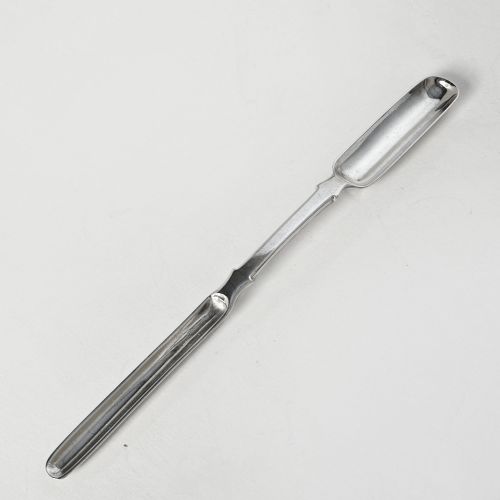
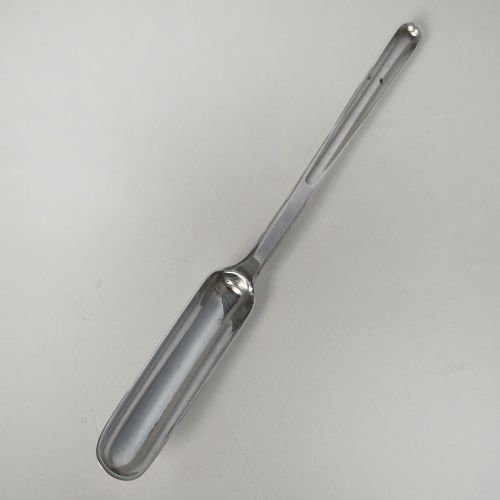


Georgian Silver Marrow Spoon
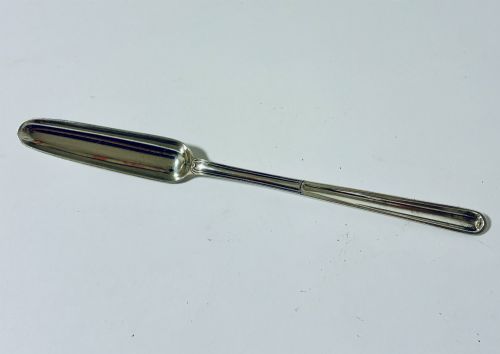
These Georgian silver marrow spoons are purposeful implements of the dining table, prized by collectors for their dual-bowl design and longevity.
What a Georgian silver marrow spoon is
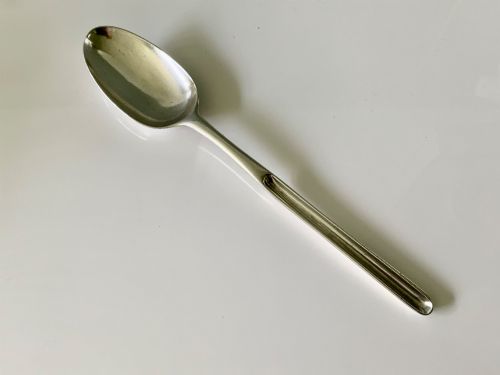
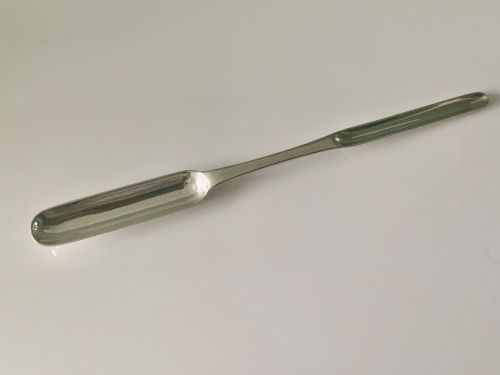
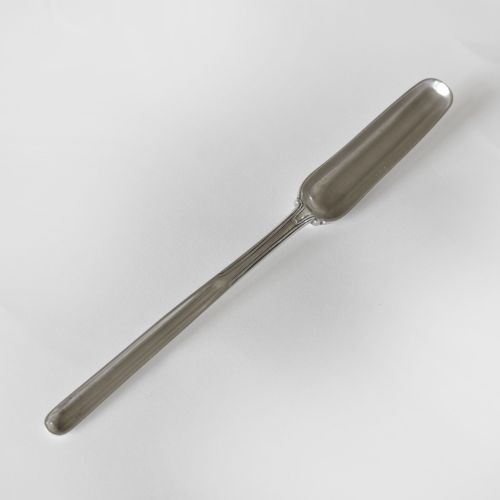
A georgian silver marrow spoon or scoop is a specialised piece of cutlery designed to extract bone marrow from joints of meat during elite dining. Most examples found on this page date from the eighteenth and nineteenth centuries, spanning the Georgian period and William IV era.
The standard form comprises a long, narrow main bowl paired with a smaller, trough-like second bowl at the opposite end. Certain variants appear in smaller proportions, including child's spoons and baby miniatures.
Makers produced these implements in distinct regional centres, with London and Ireland represented in the record. Decoration varies from plain, utilitarian surfaces to shell back motifs and Fiddle and Thread handles.
Materials and construction
Silversmiths forged these pieces from sterling silver, utilising solid silver throughout the entire length of the stem and bowls. The metal provides the necessary rigidity and weight for scooping dense marrow.
Construction techniques involve hammering and shaping silver ingots into the characteristic double-ended profile, often incorporating engraved hallmarks near the centre or on the reverse of the stem.
Retail Price Guide 2026
Typical UK retail prices for georgian silver marrow spoon, calculated from the Sellingantiques database of over a million retail prices indexed since 2003. This retail price guide relies exclusively on Sellingantiques data; no external sources or auction records are used, so the figures do not describe the wider market.
Listings feature items fashioned from sterling silver, solid silver, and standard silver across the nineteenth century and the Georgian period.
Gradations in quality
Quality rests in the crispness of the hallmarks, the thickness of the silver gauge, and the preservation of original bowl profiles against historical wear. Early eighteenth-century examples command attention through their heavier metal weight and precise proportions.
Decorative enhancements, such as detailed shell backs or complex handle patterns like Fiddle and Thread, elevate certain pieces beyond standard utilitarian flatware. The integrity of the marrow scoop channel remains paramount to the overall standard of the object.
Jonathan Hayne·Roger Hare
The Georgian Silver Marrow Spoon Glossary
- Marrow scoop
- A double-ended dining implement featuring one conventional spoon bowl and a second, narrower trough for extracting bone marrow. This design evolved specifically for eighteenth-century dining habits.
- Hallmark
- An official stamp struck into precious metals to guarantee fineness and indicate the assay office, maker, and year of production. These marks are essential for dating Georgian silver.
- Sterling silver
- An alloy consisting of pure silver and other metals, usually copper, standardised for durability in silverware. It forms the primary material for these items.
- Fiddle and thread
- A decorative flatware handle pattern characterised by a raised rib running down the centre and a fiddle-shaped terminal. This style gained popularity during the nineteenth century.
Frequently Asked Questions
What was a marrow spoon used for?
These implements served a specific role at the formal dining table, allowing diners to extract marrow from roasted bones easily. The narrow secondary trough reached inside narrow bones where standard cutlery could not.
Over time, the practice fell out of fashion, leaving these objects as collectible curiosities of eighteenth and nineteenth-century dining culture.
How do I date a silver marrow scoop?
Dating relies heavily on locating and reading the hallmarks struck directly into the silver. Assay office marks, maker's marks, and date letters provide precise chronological information.
Stylistic indicators, such as a shell back motif or a Fiddle and Thread handle, also help narrow down the period of manufacture.
Are baby marrow spoons real?
Historical records confirm the existence of miniature and child's silver marrow spoons produced during the Georgian era. Silversmiths occasionally scaled down standard adult implements for specific domestic or commemorative uses.
These smaller versions follow the exact structural principles of their larger counterparts, featuring dual bowls in reduced proportions.
How do I care for antique silver?
Preserving these pieces involves minimal handling and gentle cleaning using appropriate silver care products without abrasive agents. Storing them in a dry environment prevents excessive tarnishing.
Avoiding harsh chemical dips protects the integrity of the antique hallmarks and the original surface finish.