


Georgian Solid Silver Scoop
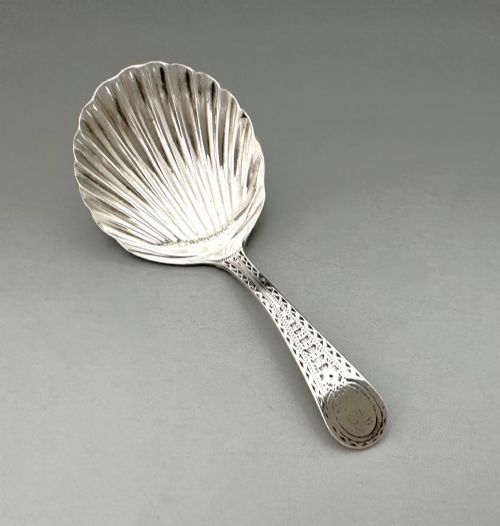
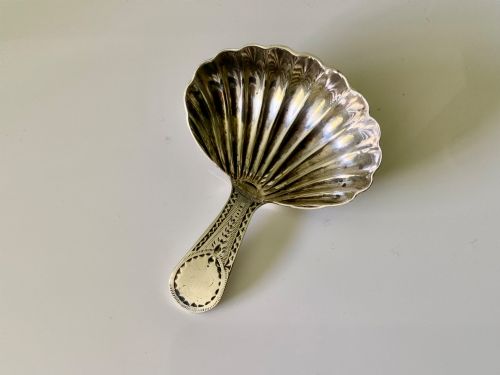
A georgian solid silver scoop is a refined small utensil for tea, marrow, or cheese, bringing tactile eighteenth-century craftsmanship to the modern table.
Georgian Solid Silver Scoop
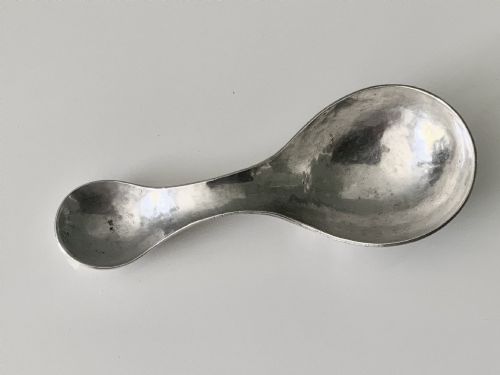
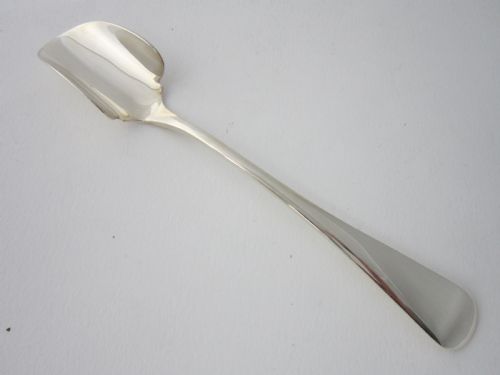
The objects span the eighteenth century and the Regency period, with provincial English, Scottish, and Irish centres represented alongside London assay offices. Buyers encounter forms ranging from simple shovel bowls and engraved handles to naturalistic vine leaf designs and jockey caps.
Materials and construction
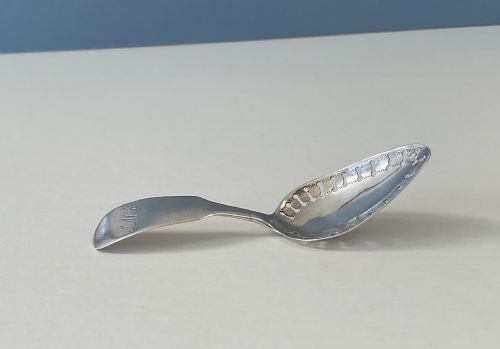
Silversmiths utilised sterling silver and silver-gilt, shaping the metal through hammer work, casting, and piercing. Some pieces incorporate stained bone handles alongside the solid silver components.
Detailing relied on hand engraving, double striking, and cast ornamentation such as grapes and leaves. Makers applied partial gilding to bowls and integrated hallmarks to record the standard, date, and origin.
Listings feature sterling silver, silver-gilt, and stained bone across forms including caddy spoons, marrow scoops, apple corers, and Stilton scoops.
Distinctions in execution
Quality rests upon the crispness of the chasing and engraving on the bowl and handle. Plain shovel bowls rely entirely on proportion and weight, whereas figural forms like vine leaves or jockey caps depend on sculptural depth.
The clarity of the hallmarks and the preservation of the original surface texture differentiate standard production from exceptional silversmithing. Finer examples retain sharp edges on stems and deep definition within patterned motifs.
JOSEPH WILLMORE·George Wintle·GEORGE SMITH
The Georgian Solid Silver Scoop Glossary
- Caddy Spoon
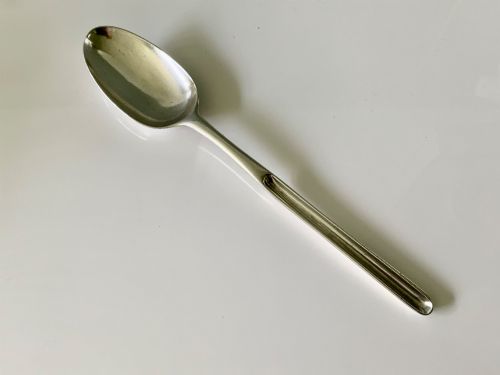
- A small spoon designed for measuring loose tea leaves from a caddy into a teapot. These bowls often take the form of shells, leaves, or plain shovels.
- Marrow Scoop
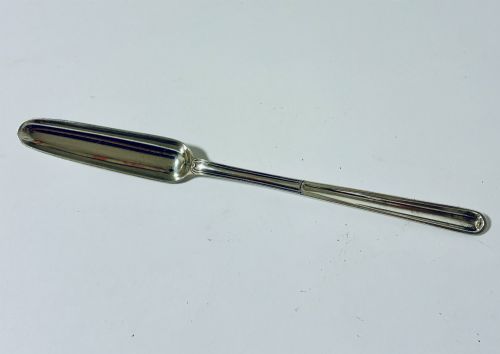
- A double-ended utensil with a narrow trough at each end for extracting marrow from bones. One end is typically larger than the other to suit different bone sizes.
- Silver-Gilt
- Silver that has been coated with a thin layer of gold on the surface. This technique added rich colour and protected the silver from tarnishing in damp environments.
- Assay Office
- An official body responsible for testing the purity of precious metals and stamping them with hallmarks. London, Birmingham, Glasgow, and Dublin offices appear in these records.
- Double Struck
- A method of impressing dies onto both sides of a spoon handle to create pattern relief in high detail. This technique produced heavier and more ornate cutlery.
Georgian Solid Silver Scoop: Frequently Asked Questions
What is a georgian solid silver scoop used for?
These utensils served specific domestic tasks in the eighteenth and nineteenth centuries, primarily measuring tea leaves from caddies or extracting marrow from roasted bones. Certain variations also handled cheese, fruit, or sugar.
Today, collectors use them to display historical silver craftsmanship or integrate them into modern tea services and dining arrangements.
How do I identify a georgian period piece?
Examination of the hallmarks stamped into the silver provides the most reliable guide to dating and provenance. These marks typically show the maker's mark, the lion passant for sterling silver, a date letter, and an assay office symbol.
Stylistic elements like hand engraving, shell bowls, and regional provincial variations also help place the object within the eighteenth or early nineteenth century.
What is the difference between a marrow scoop and a caddy spoon?
A marrow scoop is a long, slender utensil featuring narrow troughs at both ends designed for reaching deep into bones. A caddy spoon is short with a wide bowl intended for scooping dry tea leaves.
While both utilise solid silver and share overlapping manufacturing periods, their distinct forms reflect entirely different dining and kitchen functions.
How should I care for antique silver scoops?
Gentle washing in warm water with mild soap and a soft cloth removes everyday dust and oils safely. Avoid abrasive cleaning pastes that wear down hand engraving and remove patination.
Storing pieces in tarnish-resistant cloth or dry environments preserves the surface finish without requiring frequent polishing.