


Georgian Sterling Silverware
Georgian sterling silverware comprises domestic items in silver spanning the eighteenth and early nineteenth centuries, prized for form and utility.
Georgian Sterling Silverware
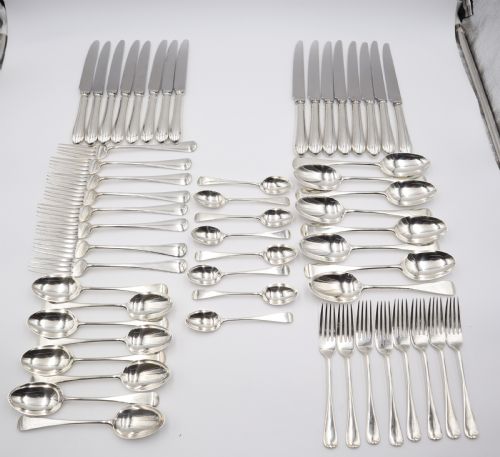
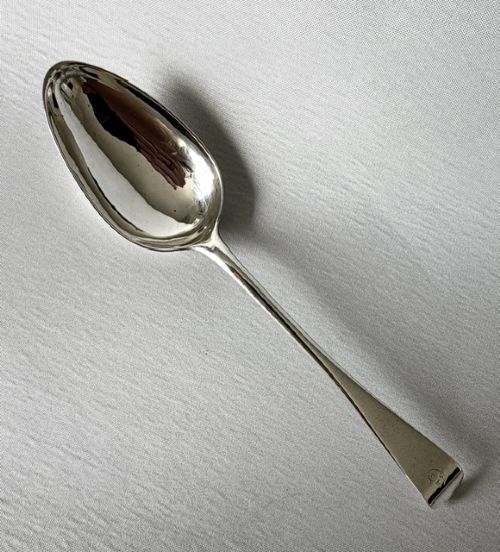
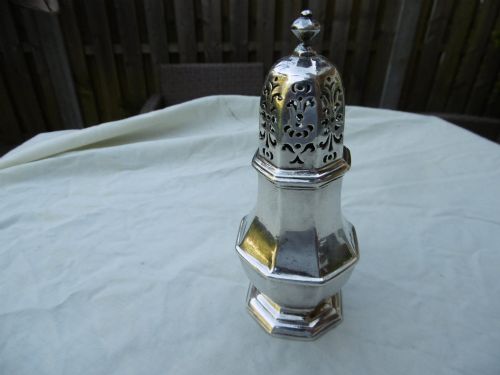
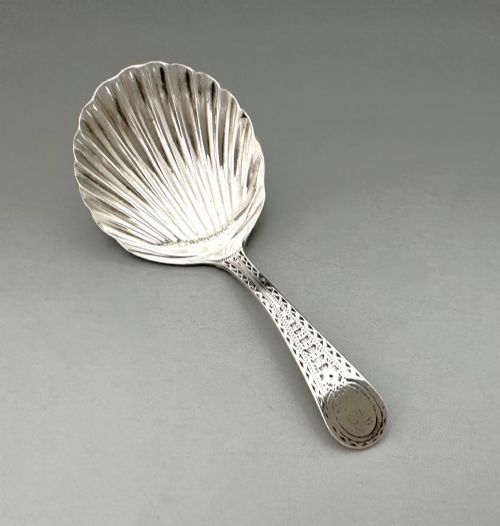
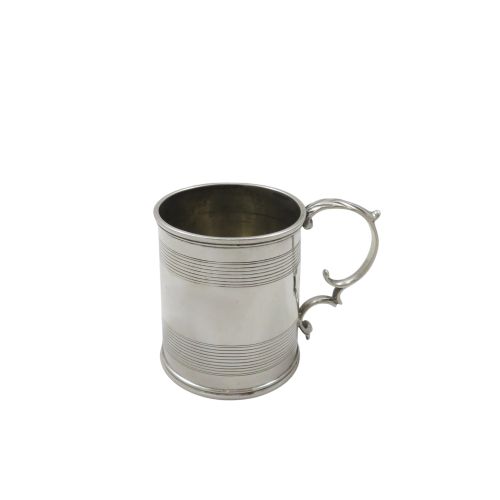
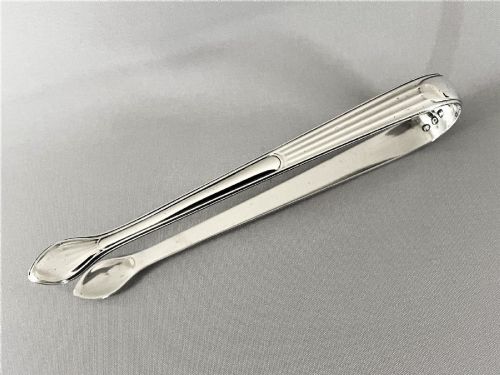
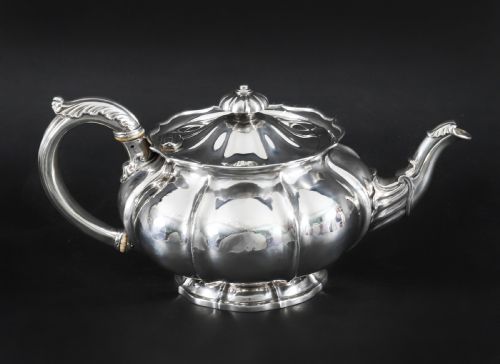
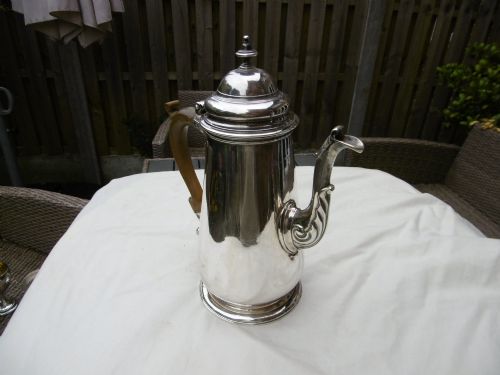
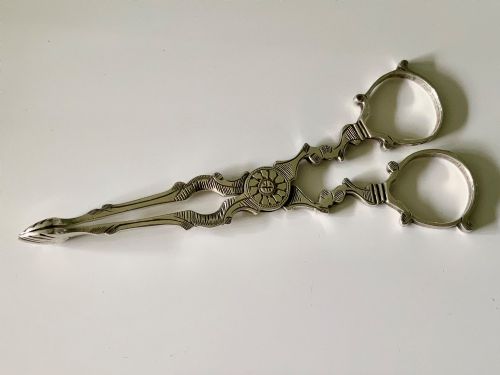
When you search for georgian sterling silverware, you encounter items made for dining, pouring and serving during the Georgian period and related revivals. The selection includes teapots, coffee pots, caddy spoons, sugar bowls, salt cellars, marrow scoops and various serving utensils.
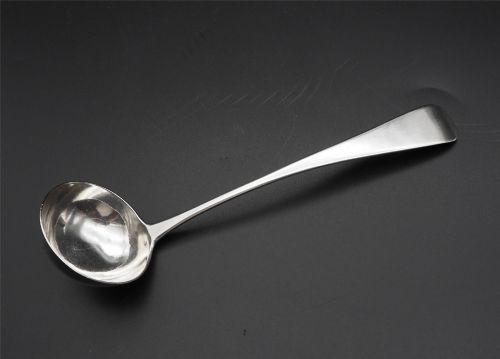
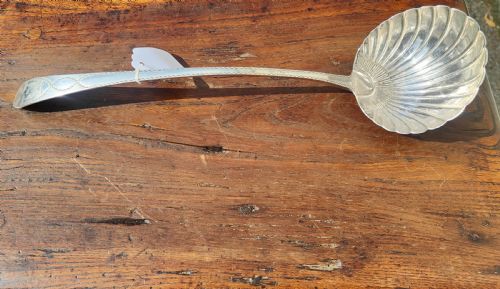
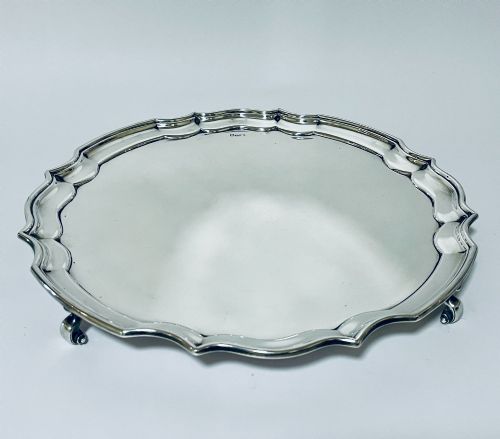
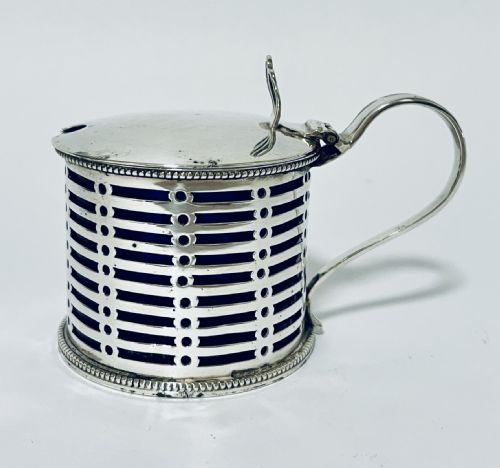
Most items on this page stem from the eighteenth and nineteenth centuries, featuring styles such as Georgian Rococo, George II, and Scottish Provincial work. Pieces range from large salvers and soup ladles to small condiments and mustard pots.
Makers and assay offices span London, Dublin, Newcastle, Edinburgh, Chester and various Scottish towns like Banff and Elgin. Alongside authentic Georgian pieces, you find later Georgian Revival and Victorian interpretations employing similar forms.
Factors of Quality
Quality rests on the crispness of the chasing, the weight of the metal, and the prominence of the silversmith or maker. Well-preserved hallmarks and clear provincial or Dublin origins elevate certain pieces.
The balance of form, such as the proportions of a bullet teapot or the delicacy of a basting spoon's pierced bowl, distinguishes standard production from exceptional works by makers like Paul Storr or Hester Bateman.
Every marrow scoop whispers of an era when dining etiquette demanded specialised tools for extracting meat marrow.
Bateman Family·Paul Storr·Richard Gurney·John Craig·William Ferguson·James Tookey·Barker Brothers·Roberts & Belk
The Georgian Sterling Silverware Glossary
- Hallmark
- Official marks stamped into silver to indicate the maker, standard of purity, assay office, and year of production.
- Caddy spoon
- A short-handled spoon specifically designed for measuring loose tea leaves from a tea caddy into a teapot.
- Marrow scoop
- A narrow, double-ended spoon utilised for extracting bone marrow from joints of meat during dining.
- Sauce boat
- An open vessel with a lip and handle, resting on a foot or base, used for serving sauces at the table.
- Bastingspoon
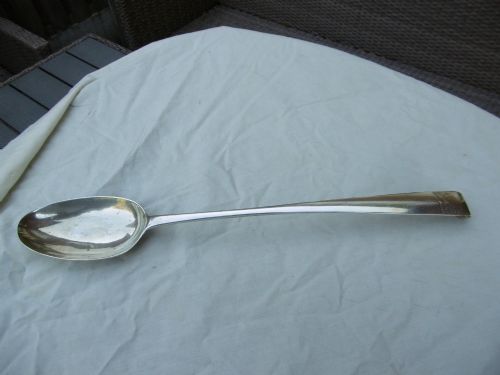
- An elongated spoon historically employed for basting roasting meat with pan juices.
Georgian Sterling Silverware: Frequently Asked Questions
How do I identify a genuine Georgian piece?
Examine the stamped hallmarks for date letters, city marks, and maker's initials that correspond to the eighteenth or early nineteenth centuries.
Style characteristics such as Rococo chasing or plain George II forms further help confirm the period of manufacture.
Were these items used daily?
Yes, families utilised teapots, spoons, salt cellars, and cream jugs during everyday dining and tea ceremonies.
Over decades of use, many pieces developed soft patinas and gentle wear on engraved crests.
What is provincial silver?
Provincial silver refers to items manufactured, hallmarked, and retailed outside of London in towns and cities such as Newcastle, Edinburgh, Dublin, Chester, Banff, and Elgin.
These regional pieces often display distinct local design traits and maker signatures.
How should I clean silver?
Use a soft cloth and a gentle, non-abrasive silver polish formulated specifically for antique metalwork.
Avoid harsh chemical dips that strip away the authentic dark patina built up within recessed areas over centuries.