




George III Tableware
George iii tableware brings together sterling silver and mahogany dining pieces shaped by eighteenth and nineteenth century silversmiths and cabinetmakers.
George III Tableware
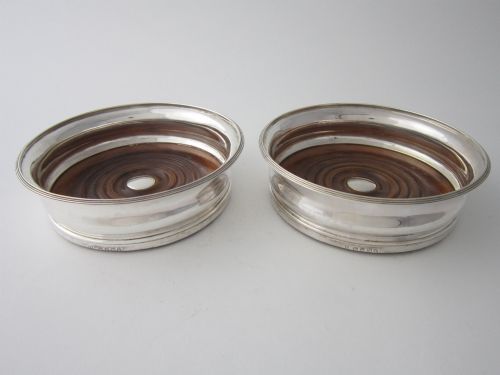
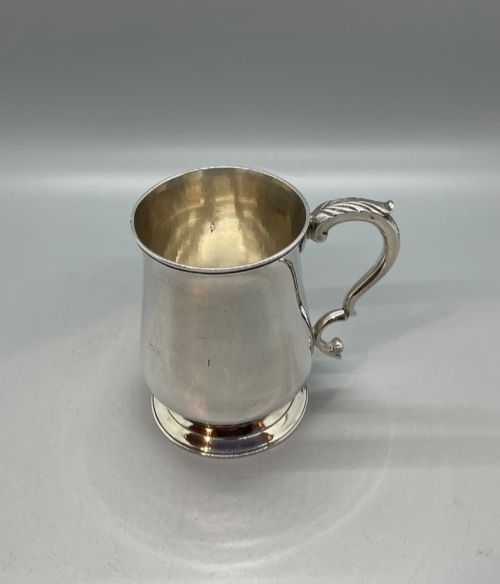
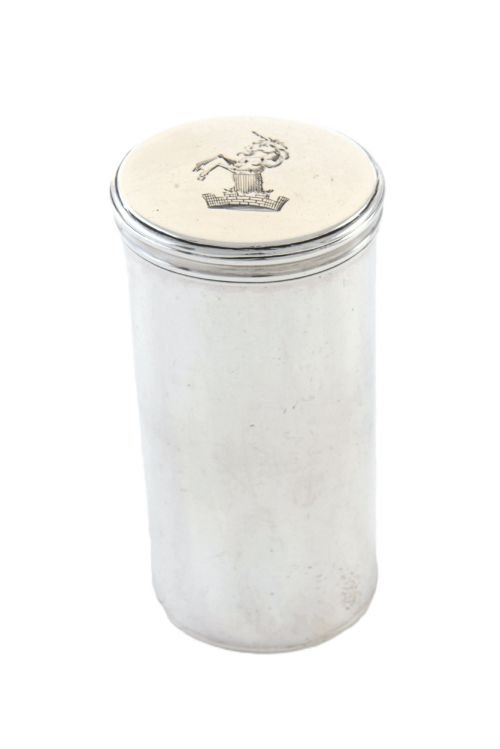
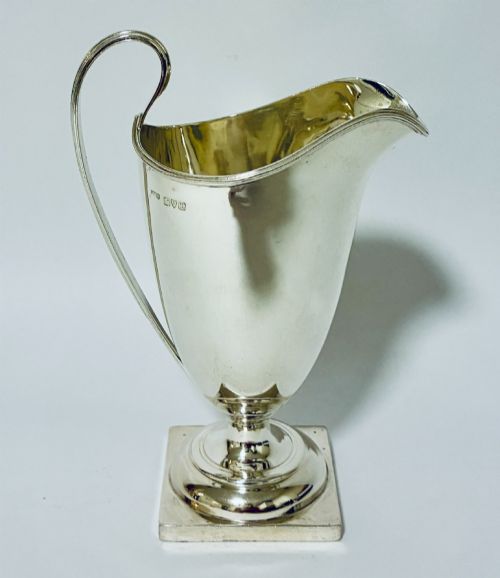
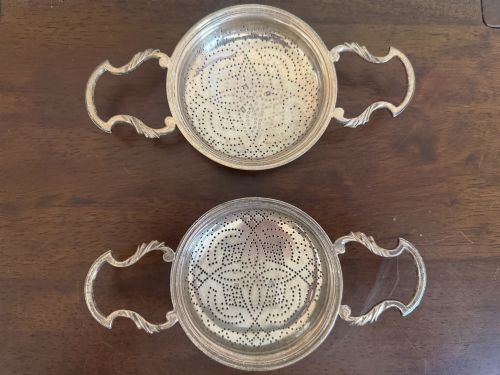
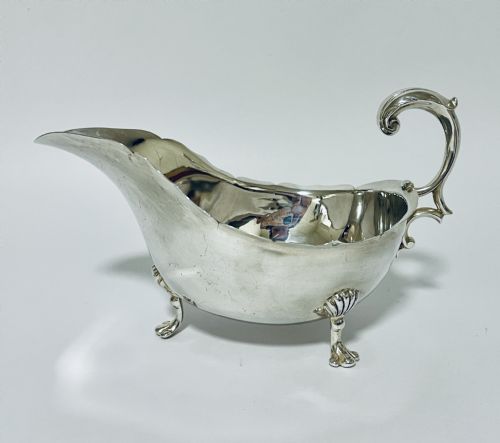
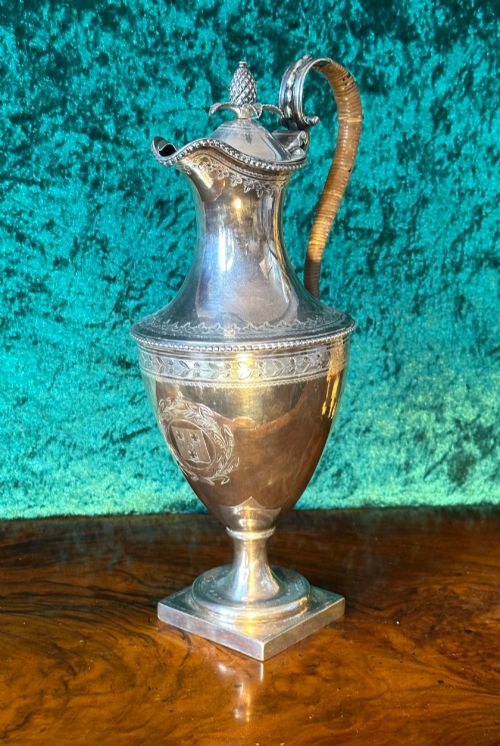
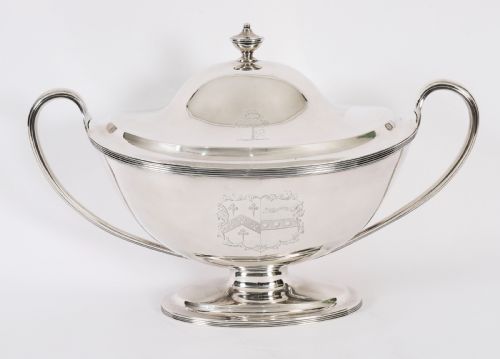
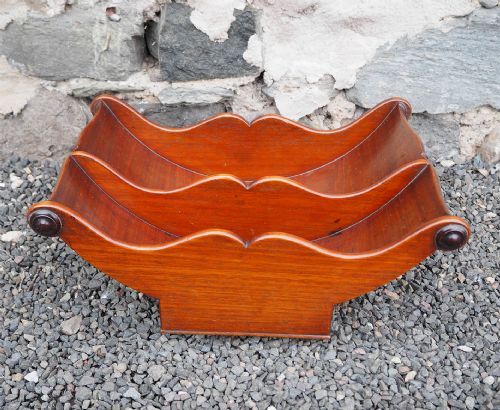
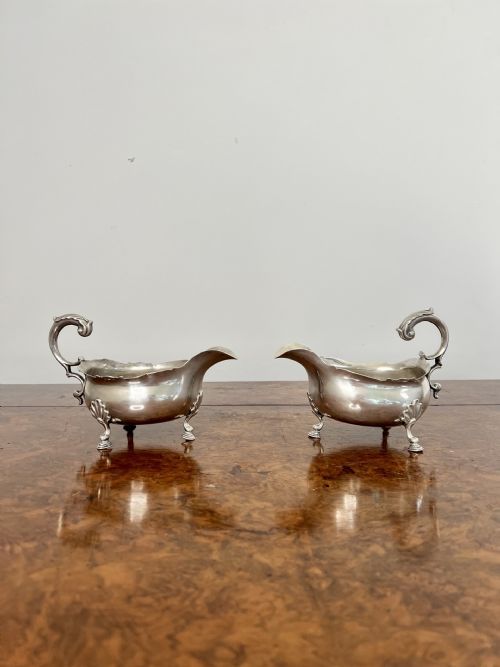
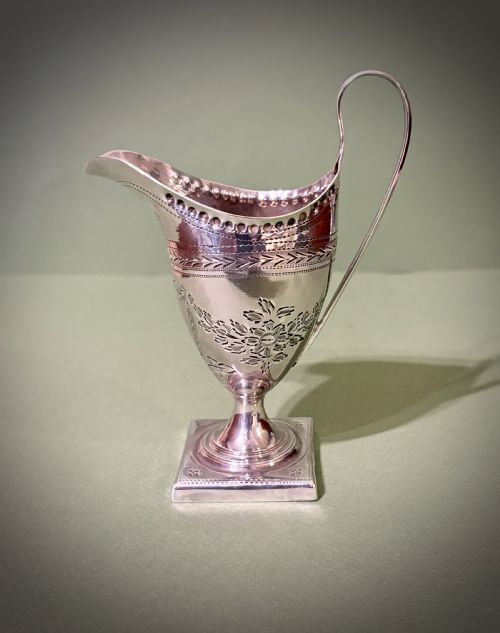
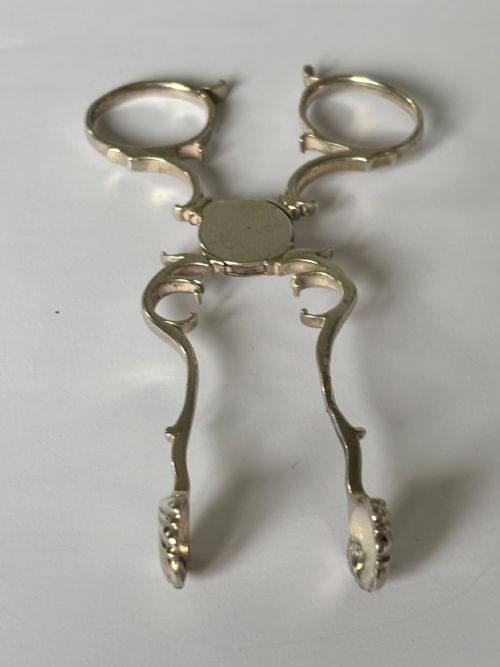
When you examine george iii tableware, you encounter functional dining and serving pieces spanning the Georgian period and later revivals. The selection focuses heavily on sterling silver items designed for the dining table, including sauce boats, cream jugs, tureens, ladles, and serving spoons.
Determining quality
Quality in george iii tableware rests upon the crispness of the chased or engraved detail and the weight of the metal used in the piece. Well-executed items retain sharp crests, clear hallmarks, and balanced proportions without thinning of the silver walls from excessive polishing.
Construction integrity distinguishes standard utilitarian pieces from exceptional examples, particularly in the joinery of wooden coasters and the seamless assembly of cast silver tureens and sauce boats. Maker attribution also elevates certain items, as marked pieces by known silversmiths command greater attention.
Listings feature items spanning the Georgian period, 1750, 1800, 19th Century, 1900, and 1920 in sterling silver, silver gilt, mahogany, silk, and velvet.
David Hennell·William Bennett·John Edmonstone·John Emes·Thomas Tookey·Michael Smith·Robert Hennell I·William Grundy·Alexander Henderson
The George III Tableware Glossary
- Sterling silver
- A silver alloy containing 92.5 percent pure silver and 7.5 percent other metals, primarily copper, used for the majority of these dining items.
- Hallmark
- An official stamp applied to precious metals in Britain to indicate the standard of purity, the assay office, and the date letter.
- Sauce boat
- A small open vessel with a lip and handle, designed for serving sauces or gravies at the table.
- Marrow scoop
- A narrow, elongated silver implement with a small trough at each end, historically used for extracting marrow from bones.
- Cruet stand
- A frame holding glass bottles or castors for condiments, frequently fitted with a silver handle and mounts.
George III Tableware: Frequently Asked Questions
Can I use these silver items daily?
Many collectors incorporate George III silver into everyday dining, as the metal is durable and robust. Hand washing is essential to preserve the finish and prevent wear.
Avoid dishwashers and abrasive scrubbers, which can scratch the surface and damage soldered joints over time.
What is Old Sheffield Plate?
Old Sheffield Plate is an early composite material made by fusing a thin sheet of silver to a thicker copper base. This technique preceded modern electroplating and produces items with a warm, layered appearance.
Careful inspection of edges often reveals the underlying copper line where the silver sheet wraps around the core.
How do I identify a Georgian hallmark?
British silver hallmarks typically include a maker mark, a purity standard mark such as the lion passant, and a date letter that corresponds to the active year of the assay office. London, Edinburgh, and Dublin offices each used distinct cycles of date letters.
Reference tables compiled from assay office records help match these stamped letters to specific manufacturing years.