





Georgian Silver Dining Accessories
Georgian silver dining accessories bring the refined craftsmanship of the eighteenth and nineteenth centuries directly to the table.
Georgian Silver Dining Accessories
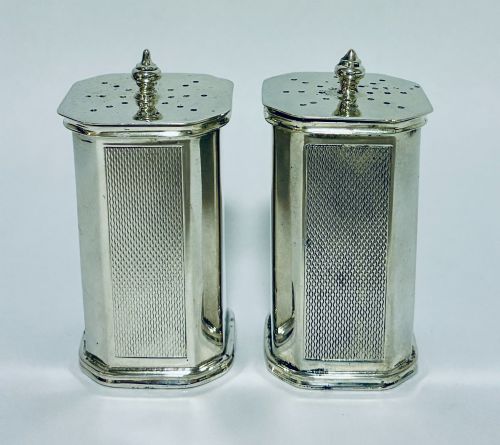
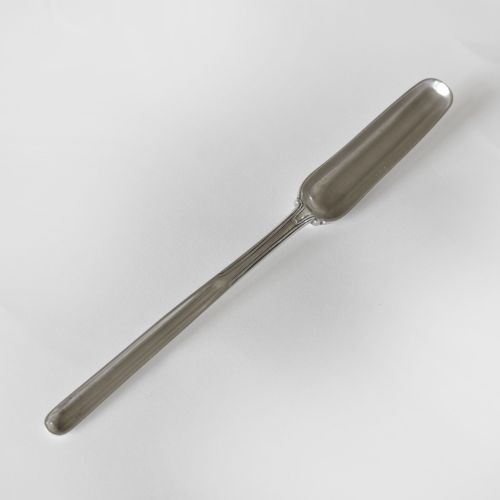
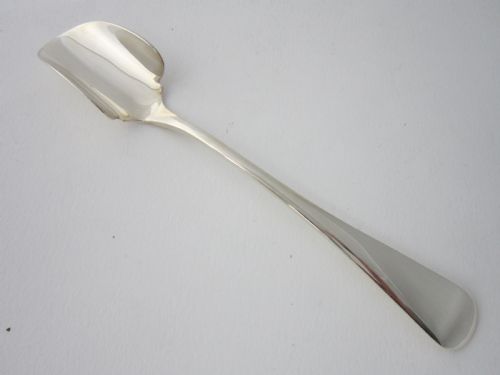
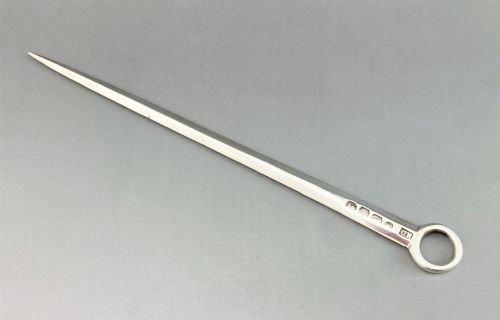
When you search for georgian silver dining accessories, you encounter a specialised selection of implements designed for the formal dining table. These pieces range from meat skewers and marrow scoops to salt and pepper casters, sauce boats, and grape scissors.
Most items reflect the domestic routines of elite households, where every course required a dedicated utensil. From apple corers to toast racks, these accessories demonstrate how specific dining customs generated specialised silver forms.
How they were made
The items are constructed primarily from sterling silver, silver plate, and occasionally copper or stained bone elements for handles. Silversmiths utilised hammering, casting, and piercing techniques to shape the metal into functional forms.
Maker marks, lion passant symbols, and date letters are frequently stamped directly onto the silver surface to denote assay office standards and year of production. Details such as applied wirework, engraved crests, and cast handles demonstrate the manual labour involved in their creation.
Among the cutlery are solid silver apple corers designed so diners could prepare fruit without staining their fingers.
What varies in quality
Quality in these accessories depends on the crispness of the original chasing, the weight of the metal utilised, and the integrity of any applied decoration. Pieces that retain clear hallmarks and balanced proportions generally command greater appreciation from collectors.
The degree of wear on engraved crests or pierced patterns indicates how heavily an item was used and polished over generations. Finer examples maintain the structural thickness of the bowl or blade without thinning from excessive historical cleaning.
Charles Reily and George Storer·Guild of Handicraft
The Georgian Silver Dining Accessories Glossary
- Sterling silver
- An alloy consisting of 92.5 percent silver and 7.5 percent other metals, usually copper, chosen for durability in tableware. This standard has been enforced by assay offices for centuries.
- Marrow scoop
- A narrow, double-ended utensil featuring troughs of differing sizes, utilised for extracting bone marrow during formal meals. Eighteenth-century examples are particularly sought after by cutlery specialists.
- Sauce boat
- An open vessel with a lip and handle, designed for serving gravies or sauces at the dining table. They frequently rest on three cast feet or a dedicated oval base.
- Old Sheffield plate
- A composite material made by fusing a thin sheet of silver to a thicker copper base, common in nineteenth-century dining wares. This method predates modern electroplating techniques.
- Toast rack
- A small metal frame with vertical dividers, designed to hold slices of toast upright on the breakfast or dining table. Early versions often feature a central ring handle for lifting.
Georgian Silver Dining Accessories: Frequently Asked Questions
What are marrow scoops used for?
Marrow scoops were utilised during formal dinners to extract marrow from bones. The dual-ended design accommodated both large and small bones found on the dining table.
Today, collectors appreciate these slender silver pieces as tactile examples of eighteenth and nineteenth-century dining customs that no longer exist in modern households.
How do I clean antique silver dining pieces?
Antique silver requires gentle cleaning with non-abrasive silver polish and a soft cloth to preserve the underlying metal and any engraved details. Avoid harsh chemical dips that strip away the natural patination built up over centuries.
Regular, careful dusting and occasional polishing keep the pieces bright without wearing down crisp hallmarks or delicate decorative edges.
What is the difference between sterling and silver plate?
Sterling silver is solid metal meeting a strict purity standard of 92.5 percent silver throughout the entire piece. Silver plate consists of a base metal, such as copper or a white metal alloy, covered with a thin outer layer of silver.
Assay marks and hallmarks generally appear on sterling items to confirm their composition, whereas plated items often display maker marks specific to electroplating firms.