
English Sterling Silver Spoon
When you search for an english sterling silver spoon, you are looking at centuries of domestic metalwork designed for dining, tea, and formal service.
What They Are
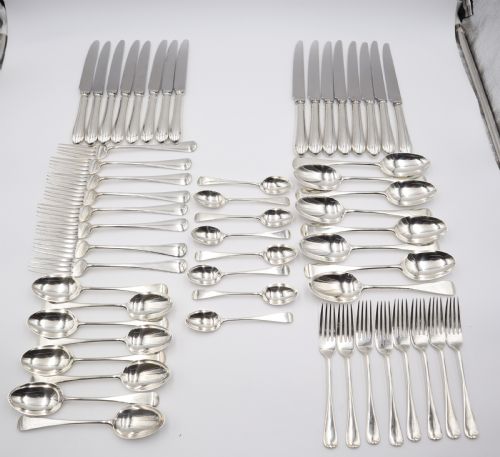
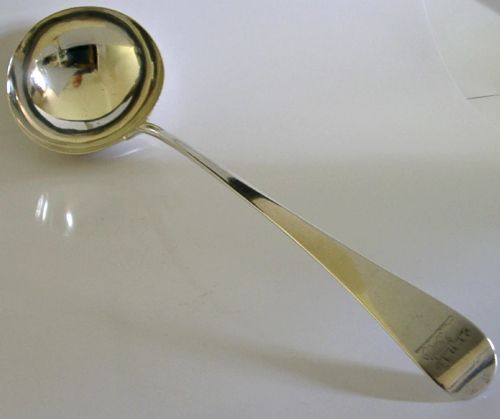
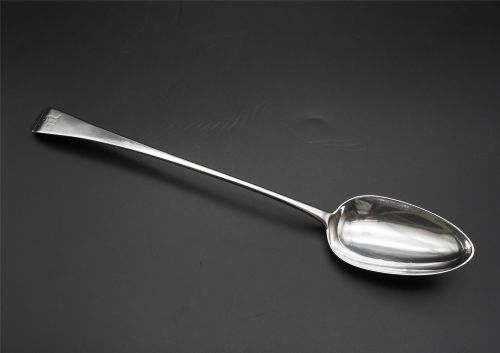
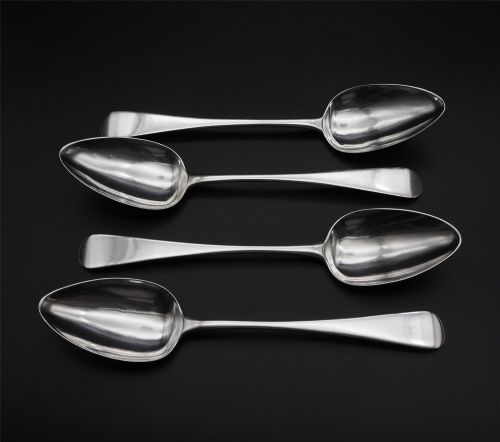
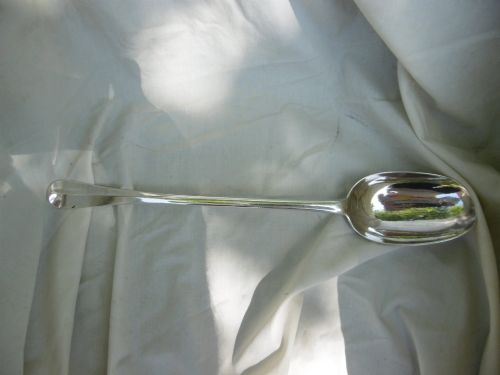
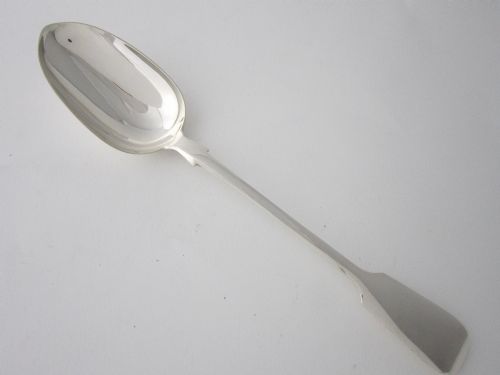
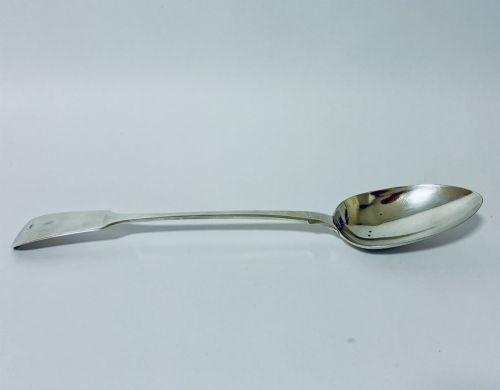
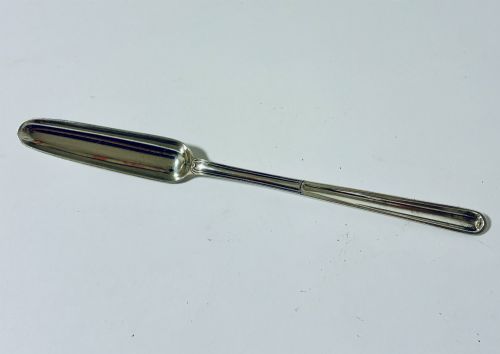
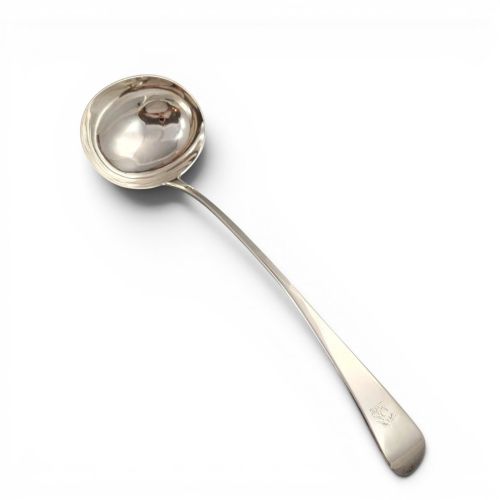
An english sterling silver spoon encompasses domestic and ceremonial implements ranging from utilitarian tea utensils to large serving pieces. The selection includes specialist items like caddy spoons, mote spoons, marrow scoops, and sugar sifters alongside standard cutlery.
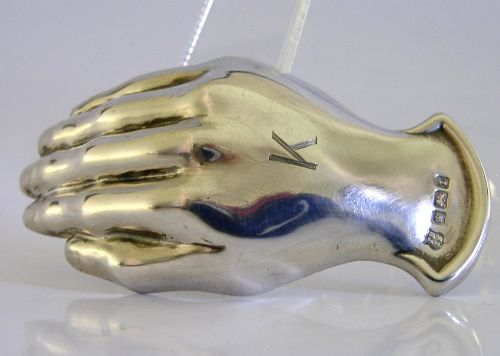
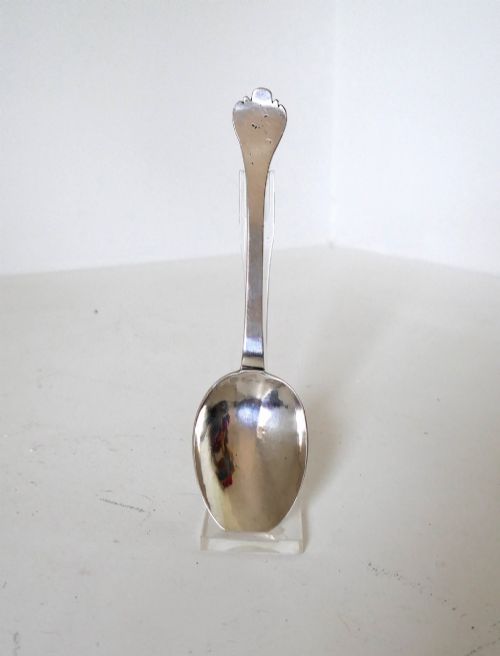
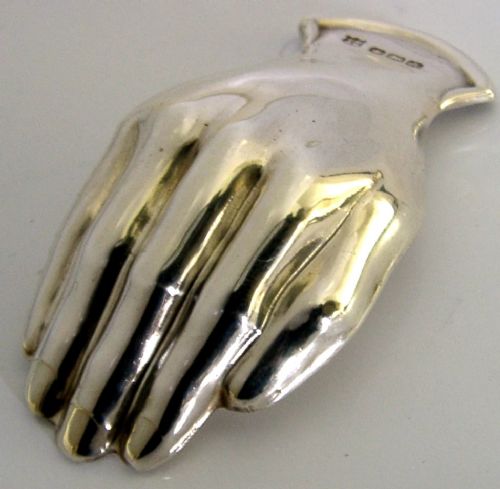
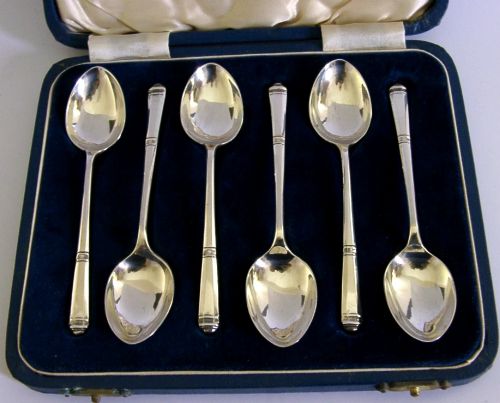
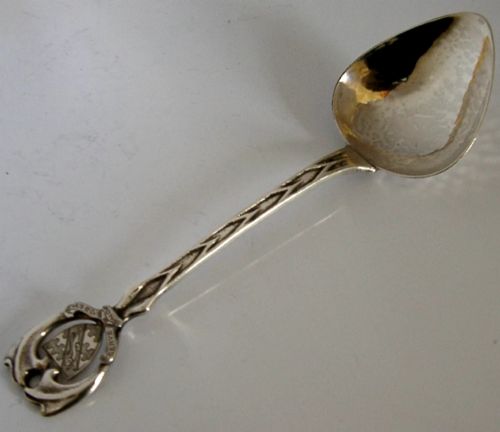
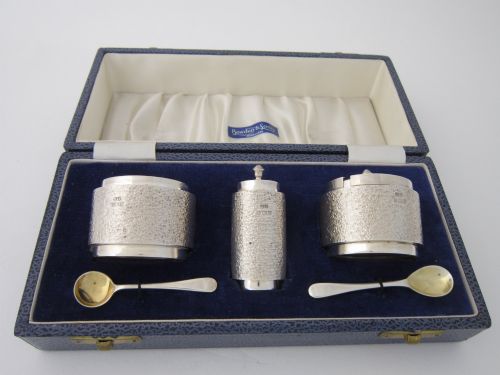
The pieces on this page span several centuries, stretching from early 18th-century George I examples and Georgian berry spoons up through Victorian, Edwardian, and mid-20th-century Art Deco designs. Common forms include novelty pieces shaped like hands, camels, or local figures, as well as cased sets for fruit and coffee.
Buyers will encounter both individual utilitarian items and elaborate matched pairs or boxed sets intended for gifting or formal display. These functional objects reflect the changing domestic habits of British households across generations.
What Varies in Quality
The distinction between standard utility items and finer examples lies in the weight of the metal and the crispness of the workmanship. Heavier gauge silver provides a substantial feel in the hand, while superior surface decoration shows sharp, unsoftened engraved lines.
Provenance and maker attribution elevate certain pieces, particularly those bearing the marks of recognised silversmiths or featuring uncommon novelty motifs. The preservation of original gilding, intact enamel, and clear hallmarks further distinguishes exceptional examples from ordinary production.
Retail Price Guide 2026
Typical UK retail prices for english sterling silver spoon, calculated from the Sellingantiques database of over a million retail prices indexed since 2003. This retail price guide relies exclusively on Sellingantiques data; no external sources or auction records are used, so the figures do not describe the wider market.
Among the unexpected forms available are spoons shaped like tiny human hands, leaping camels, and cheeky imps.
Andrew Archer·Jonathan Hayne·CW Fletcher And Son·Daniel Cary·Walker And Hall·Amy Sandheim·R Hennell·Bateman
The English Sterling Silver Spoon Glossary
- Sterling silver
- A silver alloy containing 92.5 percent pure silver and 7.5 percent other metals, usually copper, to add strength. This standard has been used in British plate for centuries.
- Caddy spoon
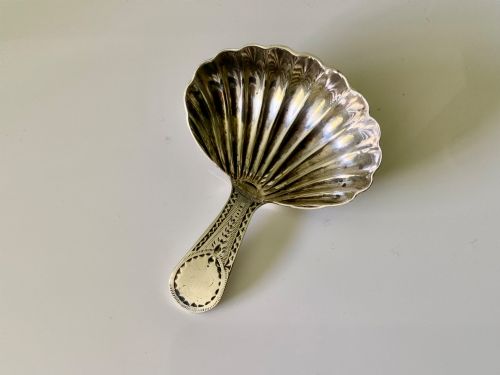
- A short-handled spoon specifically designed for measuring loose tea leaves from a storage caddy. These often feature decorative bowls shaped like leaves, hands, or shells.
- Bright-cut
- An engraving technique utilising faceted V-shaped cuts that reflect light. This method creates sparkling geometric borders and floral patterns on late 18th-century pieces.
- Mote spoon
- An 18th-century implement featuring a pierced bowl for skimming stray tea leaves and a tapered tail for clearing tea pot spouts. It represents a specialised tool from the height of formal tea drinking.
- Planishing
- A hammering technique used to smooth and shape metal surfaces while imparting a subtle texture. It leaves a distinctive faceted pattern visible on Arts and Crafts pieces.
Frequently Asked Questions
What is an english sterling silver spoon used for?
These pieces served various domestic functions depending on their specific form, from stirring tea and transferring sugar to serving hash or berries at formal meals.
Specialised types like marrow scoops and caddy spoons fulfilled precise culinary needs in British households before modern mass production.
How do I identify the age of an english sterling silver spoon?
Age is typically determined by examining the set of hallmarks stamped into the metal, which include maker's marks, city assay marks, and date letters.
Stylistic cues such as bright-cut engraving or Art Deco geometry also help narrow down the period of manufacture.
Are caddy spoons different from normal spoons?
Caddy spoons feature notably short handles and wide bowls designed specifically to scoop tea from narrow storage jars.
They often display whimsical or highly decorative forms that distinguish them from standard dining cutlery.
How should I care for sterling silver spoons?
Regular gentle cleaning with a soft cloth helps maintain the natural lustre of the silver without wearing down delicate engraved details.
Storing pieces in dry environments or anti-tarnish rolls prevents the buildup of heavy oxidation over time.