

Sterling Silver Caddy Scoop
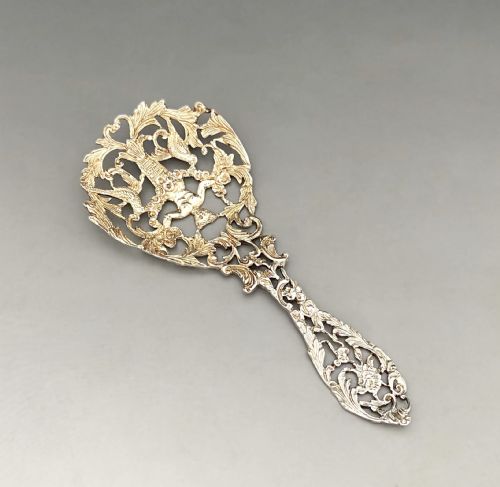
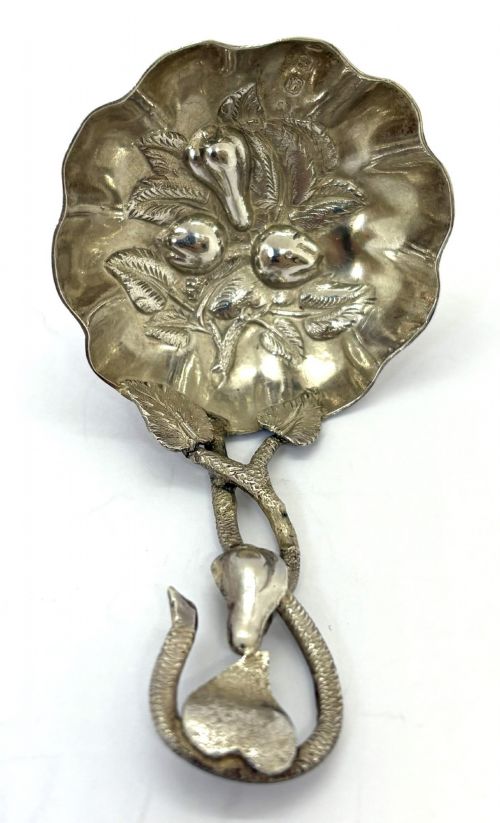
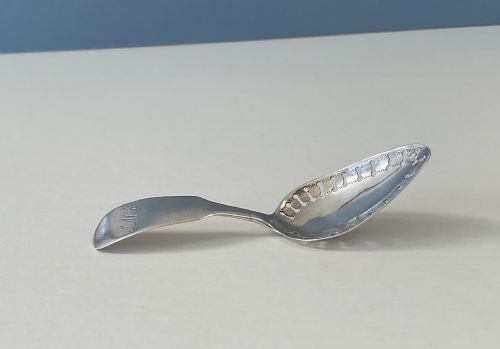
These sterling silver caddy scoop examples are compact tea measures that every serious collector wants for a proper silver display.
What sterling silver caddy scoop pieces are
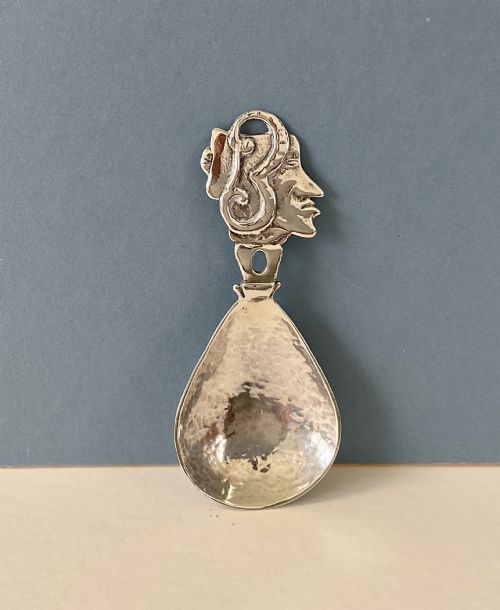
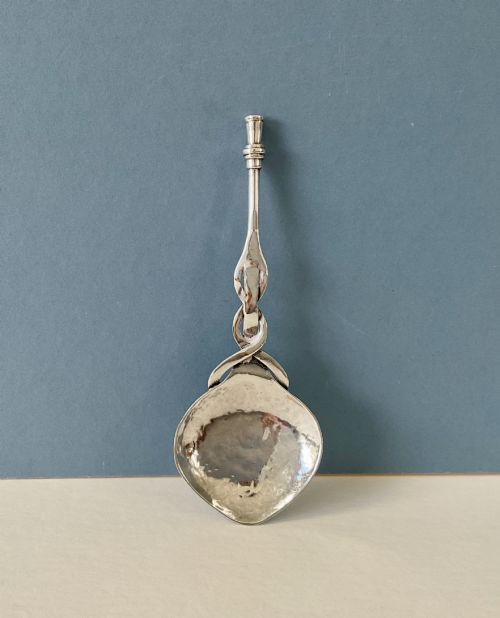
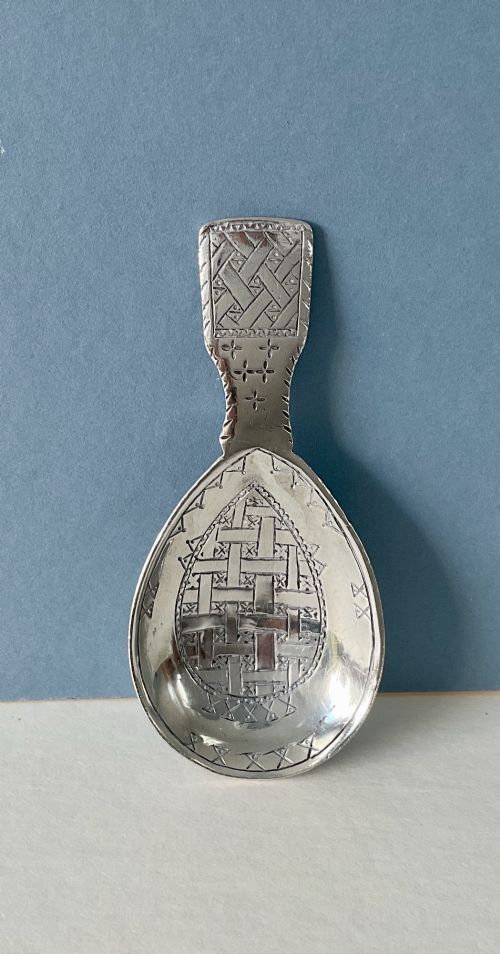
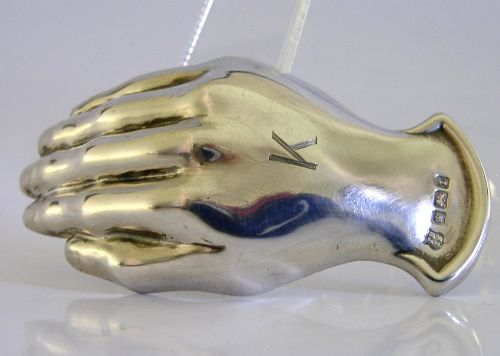
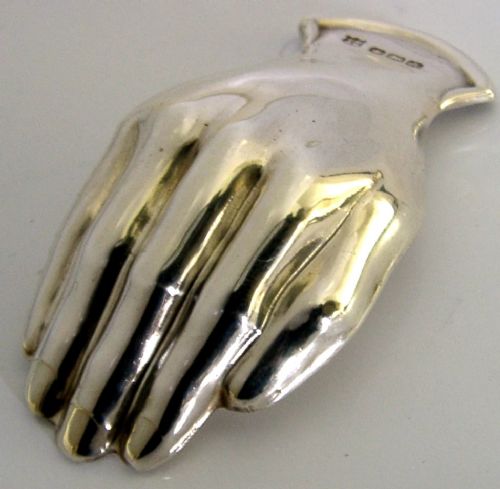
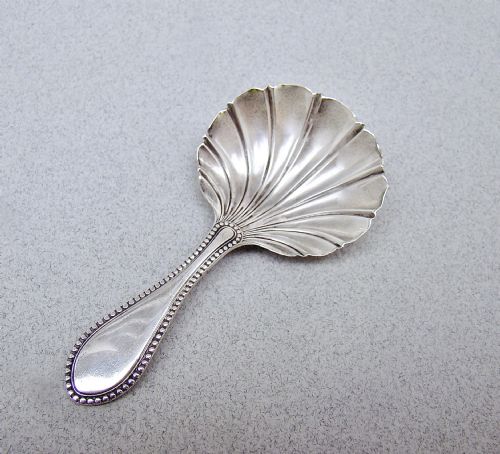
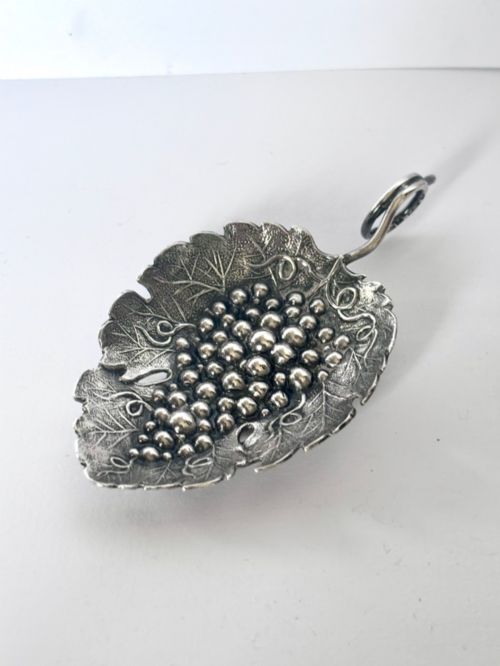
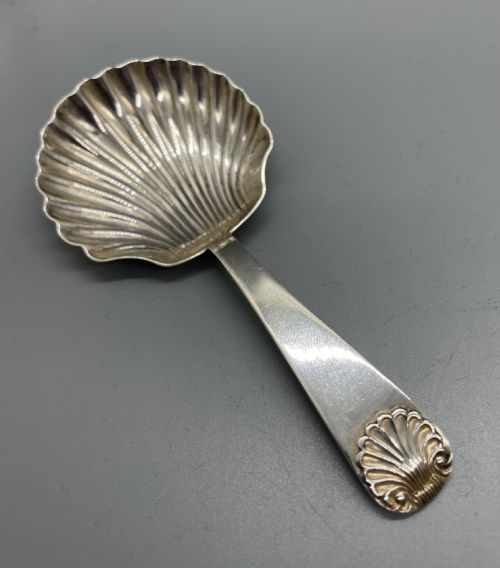
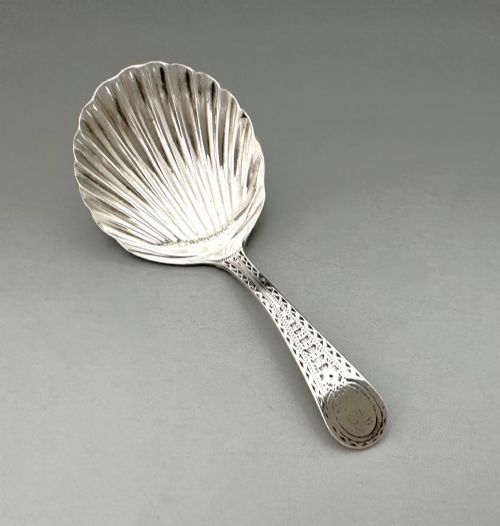
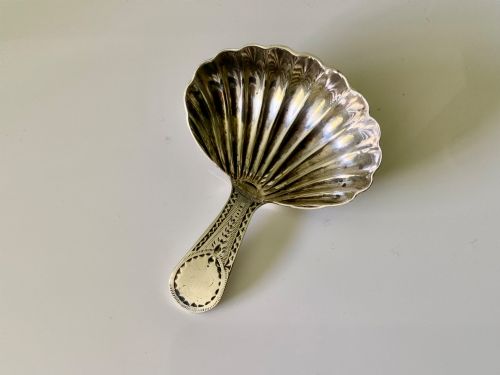
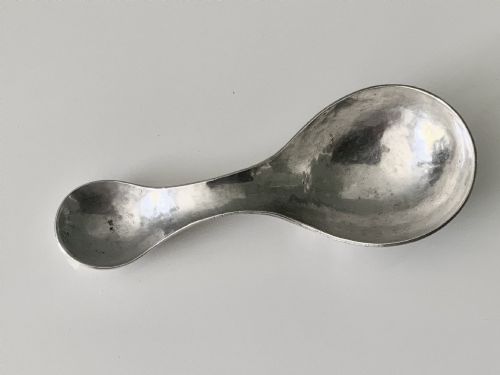
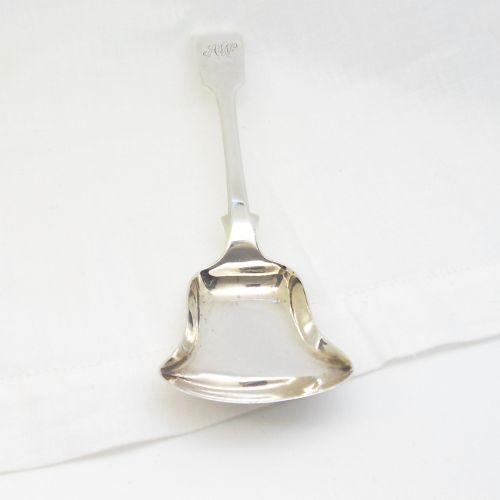
When you search for a sterling silver caddy scoop, you encounter specialised small spoons designed for measuring loose tea leaves from a caddy. These small utensils appear across Georgian, Regency, and Mid-Century Modern styles on this page.
The assortment on this page includes classic Georgian pieces alongside later creations, reflecting shifts in British and international silver design. Examples range from simple traditional bowls to pieces featuring distinct botanical forms like acorns.
Makers adapted these scoop forms to suit changing domestic habits across the nineteenth and twentieth centuries. The surviving items showcase the enduring utility and charm of these small silver implements.
How they were made
Silversmiths constructed these scoops primarily from sterling silver, shaping the metal through hammering and casting techniques. Selected examples incorporate silver gilt to enrich the interior surfaces of the bowl.
Advanced specimens utilise coloured enamel applied to the metal surfaces to create decorative visual patterns. These combined materials demonstrate the technical range employed by period silversmiths and later designers.
Retail Price Guide 2026
Typical UK retail prices for sterling silver caddy scoop, calculated from the Sellingantiques database of over a million retail prices indexed since 2003. This retail price guide relies exclusively on Sellingantiques data; no external sources or auction records are used, so the figures do not describe the wider market.
Some nineteenth-century makers shaped tea scoops to resemble natural acorns, bringing miniature oak harvests directly to the tea table.
What varies in quality
The distinction between standard examples and superior pieces rests on the crispness of the chasing and the weight of the silver used in the handle. Finely worked details, such as naturalistic acorn motifs or careful enamel work, elevate the overall standard of the object.
Proportion and balance also define the better examples, where the handle length complements the depth of the scoop bowl. Pieces showing careful attention to surface finish and maker marks generally represent the higher tier of production.
David Andersen
The Sterling Silver Caddy Scoop Glossary
- Sterling silver
- A silver alloy containing 92.5 percent pure silver and 7.5 percent other metals, usually copper, ensuring durability for functional items.
- Silver gilt
- Sterling silver that has been coated with a thin layer of gold on the surface, often seen inside the bowl.
- Enamel
- A decorative glassy substance melted onto the metal surface at high heat to add permanent colour.
- Regency
- A British historical period and design style spanning the early nineteenth century, known for refined classical lines.
- Georgian
- The period covering the reigns of the first four British Georges, noted for traditional craftsmanship and classical ornamentation.
Frequently Asked Questions
What is a sterling silver caddy scoop?
A sterling silver caddy scoop is a small utensil specifically formed to measure dry tea leaves from storage caddies into a teapot. These implements combined practical domestic use with decorative metalwork.
Craftsmen produced them in various stylistic periods, ensuring each piece matched the prevailing tastes of its era.
What are silver gilt scoops?
Silver gilt scoops feature a thin application of gold over the sterling silver base, usually highlighting the interior of the bowl. This treatment protected the silver from tea staining and added visual contrast.
Such finishing indicates a higher grade of manufacture for wealthier households.
How should I display these spoons?
These small spoons suit shallow display cabinets or specialised silver trays where their detailed bowls and handles remain visible. Proper spacing prevents scratching between adjacent pieces.
Keeping them away from direct sunlight protects any enamel elements from fading.